Popular Posts

Showing posts with label The Co-op. Show all posts

Friday, 26 August 2022

Southern Hemisphere Crisp White and Big Red

Crisp White and Big Red from the southern hemisphere - South Africa's Rustenberg and Chile's Montes

Crisp White and Big Red is a classic dinner combination; starting with France, you might look to the Loire and Bordeaux or Chablis and the Rhône.

Further afield, but staying in the Old World, a Riesling and a Barolo or Rioja would work equally well.

Here is a southern hemisphere / New World take on the same concept using classic (i.e. French) grape varieties; South African unoaked Chardonnay and Chilean Cabernet Sauvignon.

The Chardonnay has a classic unoaked flavour profile, just with more warmth and ripeness, so think Macon rather than Chablis, even if some of the fruit has a ripe-yet-green tinge.

The Cab is similarly more fruited and riper than Bordeaux, with New World's signature cassis and green pepper.

Rustenberg Wild Ferment Unwooded Chardonnay, (£12, Tesco)

This is Rustenberg's first ever unoaked Chardonnay; the aim was to create a wine that, without the influence of oak, expresses the varietal character and generosity of Chardonnay when the finest fruit is vinified for this purpose. Lees ageing adds palate weight and complements the wine's citrus fruit profile to create a wine that can be enjoyed on its own or with food. 

Arguably the most famous wine-producing region in South Africa, the vineyards of Stellenbosch take advantage of the area's topography and vineyards sit on the lower slopes of the Helderberg and Simonsberg ranges.

From the Stellenbosch region of South Africa, this Chardonnay is hand-picked and wild-fermented, with native yeasts found on the fruit and in the vineyard, in stainless steel tanks; it is then aged on lees for 3 months for more complexity.

This wine is a blend of different component vineyards, picked at different times of ripeness, some early for freshness and some late for fruit expression. Part of the batches are crushed and destemmed and part are whole bunch pressed, each technique giving a different mouth feel to the resultant wines.

floral and heady with exotic fruits and perfumed honeysuckle; orchard fruits, yellow stone fruits, greengage, sweet spices and salinity with some rich, leesy underpinnings and mid-palate complexity.

Drinks nicely on first pouring.

Good.

A versatile food wine, match with seafood, white meat and creamy cheese dishes such as tarte flambée.

Montes Reserve Cabernet Sauvignon, (£9, The Co-op)

I've reviewed Montes' oaky Chardonnay from Chile previously and been impressed - see here and here.

Would their Cab be as good, I wondered?

Cabernet Sauvignon is one of the most-widely planted grapes in the world, but is rarely made into a varietal wine as it often needs some rounding out from another variety, In this case, there is 15% Merlot added for plush, juicy freshness, making this a classic Bordeaux blend.

45% of the wine is aged for 8 months with 2nd and 3rd use French oak barrels.

lifted, fruit-forward blackberries and blackcurrants with nutmeg, peppery vanilla spice, pencil shavings and some woodsy undergrowth; juicy, plush and fresh with red and black fruits, coffee grounds and cocoa; supple, well-integrated tannins, mintiness and a supple texture.

Good.

Drinks nicely on first pouring but opens up with aeration; will repay some cellaring.

Match with char-grilled meats, lamb, darker game or tuna steak.

Saturday, 23 July 2022

The CWB Franco-Spanish Production-Method-Off

Four production-method wines from France and Spain, via Co-op and M&S

A friend recently asked me for some advice on arranging a wine-tasting; beyond the usual basics, I suggested it might be interesting to have a theme, such as a grape, region or other feature of the wine.

I have done themed tastings around aged Bordeaux, Iberia and the Americas as well as production method wines (i.e. wines whose character derives more from the they they are produced than from grape varieties).

For this line-up, I pulled out one of my own purchases to compare fizzes from France and Spain as well as two different types of sherry.

With a few exceptions, production method wines tend to be from either very cool climates (Champagne or England) or very hot climates (Andalusia, Douro, Madeira).

When asked about my favourite wines, my standard answer is: mature wines, production method wines and cool-climate wines. Essentially, I really like older, cool-climate wines that taste of something more than mere primary fruits.

All of the wines in this line-up are defined by their production method - for the fizz, it is secondary fermentation in bottle on the lees, which provides a food-friendly leesy complexity (as well as the bubbles).

For the sherries, it is the blending across years and growth of flor in the barrel which imparts a tangy dryness; in the case of Manzanilla, the flor character is more evident due to the cooler conditions where it is produced. For Amontillado, the flor is allowed to die away and the wine ages oxidatively acquiring complex roasted flavours of nuts and spices.

We started with the sherries as pretty much the perfect aperitif, matched to simple, tapas-style starters of chorizo, roasted almonds, manchego, olives and bread with home-made mayonnaise.

The fizzes were opened with a continent-hopping main course of chicken Thai green curry.

The sherries

Barbadillo Solear Manzanilla (£10.99, Waitrose, £9.50 Ocado - also in half-bottles, see footnote)

Made in Sanlucar de Barrameda, using both cooling ocean breezes and cool air current from a bend in the Guadalquivir river to grow the flor to optimum thickness and impart more flavour to the wine, Barbadillo is a family company and one of the great names of sherry.

pungent with pastry shop, camomile, almonds and hazelnuts; fresh and savoury with oatmealy leesiness, saline minerality, white fruits and white pepper; elegant and adept with very good underpinnings.

Good.

A versatile food wine, match with Andalusian tapas or any salty foods such as salamis, olives and hard cheese.

Very Rare Amontillado Sherry (£9, marked down to £1,79, 37.5cl, Marks & Spencer)

deep brown, with nuts, coffee, nutmeg, old leather roasted almonds and dried apple, apricot and prunes; charred cedarwood, toasted hazelnuts and exotic citrus peel with fresh acidity. Complex and adept. 

Good.

Match with roasted almonds or roasted / char-grilled beef.

Fizz

Champagne is the benchmark style of sparkling wine and it commands a hefty premium for the name; Spain's cava, by contrast, is working hard to match its pricing to the improved quality and cost of production.

Cava Sumarroca Gran Reserva 2017

Good cava is one of the wine world's great bargains; this one is made using the Traditional Method with three years' lees ageing for complexity by a family-owned house .

lemon peel, roasted hazelnuts, white flowers and leesiness; fresh, citrussy and poised with lemons and limes, creamy-nutty leesiness and saline minerality. Harmonious and long, very adept and elegant.

Good.

A versatile wines. serve as an aperitif, match with mixed starters or mains such as fish and chips or green Thai curry.

Les Pionniers Vintage Champagne 2013 (£27, The Co-op)

Made only in the best years, Vintage Champagne should be left at least 10 years before opening. On that basis, this one is a little young, but is showing well now and has plenty of life ahead of it.

golden sandy yellow with complex orchard fruits, bruised apple, citrus fruits, melonskin and toasted brioche; dense, concentrated and fresh with a fine mousse, citrussy lemon curd and lime marmalade, orchard fruits with red berries and savoury-leesy oatmeal, creamy brazil nut and saline minerality. Complex and long.

Very Good.

Match with lighter game or seafood-and-pastry such as prawn vol-au-vents or salmon-en-croute.

***

Half-bottle of the Barbadillo Manzanilla:

- Wine Society £5.95

- Loki Wine Merchants £7.99,

- Banstead Vintners £6.99

- Latitude Wine Merchants £7.50,

- Rannoch Scott £6.19

- Sandham Wines £6.20

- Vintage Cellars £6.50

- Gusto Wines £6.60

- The Whisky Exchange £6.76

- Mumbles Fine Wines £6.95

- Oxford Wine Co £7.25 

plus many other good independents.

Wednesday, 20 July 2022

Australia's Oxford Landing

A taste of Australia's Oxford Landing

If your budget is not much over the national average of a fiver, and you don't want to make a special trip for your wine, easily-available bottles from the supermarkets risk being a bit hit-and-miss.

The good news is that these three wines from Oxford Landing are all well-made, reliable and thoroughly enjoyable.

Oxford Landing is the name of the wine and the place in South Australia where the beautiful River Murray runs through the vast, red landscape, filling the community and environment with life, promise and affordable wines that are sustainably produced. 

Here Oxford Landing wines are nurtured from bunch to bottle using a small-scale approach with methods usually reserved for boutique winemaking, thus guaranteeing the authenticity, provenance, quality and consistency of every bottle of Oxford Landing wine.

Oxford Landing Sauvignon Blanc 2021 (£6 from Tesco, Waitrose, Sainsburys, Morrisons, ASDA)

Oxford Landing Sauvignon Blanc is the number one Aussie Sauvignon Blanc in the UK; its crisp, refreshing style makes it a popular choice, and at just 10.5% alcohol, it is the perfect pick for summer parties, social gatherings or just a cheeky glass after work.

This wine has been carefully made using cool fermentation with aromatic yeast strains to enhance the punchy zesty characteristics of Sauvignon Blanc. A percentage of the wine was fermented on skins to add an extra dimension of complexity.

The result is a fresh wine with zesty aromas of passionfruit, lemongrass and freshly cut hay, light-bodied and showing layers of fresh citrus and papaya flavours. 

aromatic with rubbed sage, mint and pepper; ripe, zesty, tropical fruits, with lime, grapefruit and gooseberries; crisp and refreshing with lemongrass, white pepper and some saline minerality

Well-made, food friendly and thoroughly enjoyable.

Drink as an aperitif or serve with a simple cheeseboard, some olives, dried fruit and crackers or with classic fish and chips.

Oxford Landing Pinot Grigio 2021 (£6.50, Sainsburys)

Don’t let Oxford Landing’s Pinot Grigio’s pale veneer and subtle aromas fool you; there’s plenty of flavour going on in the glass.

The wine was fermented with natural yeasts that come in from the vineyard, creating layers of flavour and richness. Following fermentation, the wine was left on its lees for 3 months and stirred weekly to impart a creamy richness to the palate.

A refreshing, medium bodied style of Pinot Grigio with lemon pith, apple skin, grapefruit, poached pear and cinnamon flavours with every mouthful.

orchard and white stone fruits, white pepper spice; weighty, concentrated, full and supple with conference pears, citrus, white peaches, leesy saline minerality and warming sweet spices.

Well made and adept; thoroughly enjoyable.

Enjoy with potato salad and a ‘green’ avocado style dressing, Asian chicken salad with roasted peanuts or tortilla chips and a spicy black bean salsa.

Oxford Landing Merlot 2020 / 2021 (£7.25, The Co-op)

Oxford Landing Merlot will take you through to the cooler end of summer months and into Autumn.  It has good depth of colour, with generous red fruit flavours of plums and cherries.

Merlot thrives under the warm Australian sun alongside the Murray River and this is a generous and succulent example of a great Australian Merlot.

blueberries, violets and spice; juicy berry fruits, cherries, dried green herbs and woodsy undergrowth; gentle tannins.

Well made and thoroughly enjoyable.

Drink slightly chilled on a hot day or match with grilled red meat, such as lamb seasoned simply with salt, pepper and a squeeze of lemon and seared on the barbecue for a few minutes each side and served with a side order of caramelized roast vegetables, a Moroccan spiced curry or a pasta dish cooked with a creamy tomato sauce.

Friday, 8 July 2022

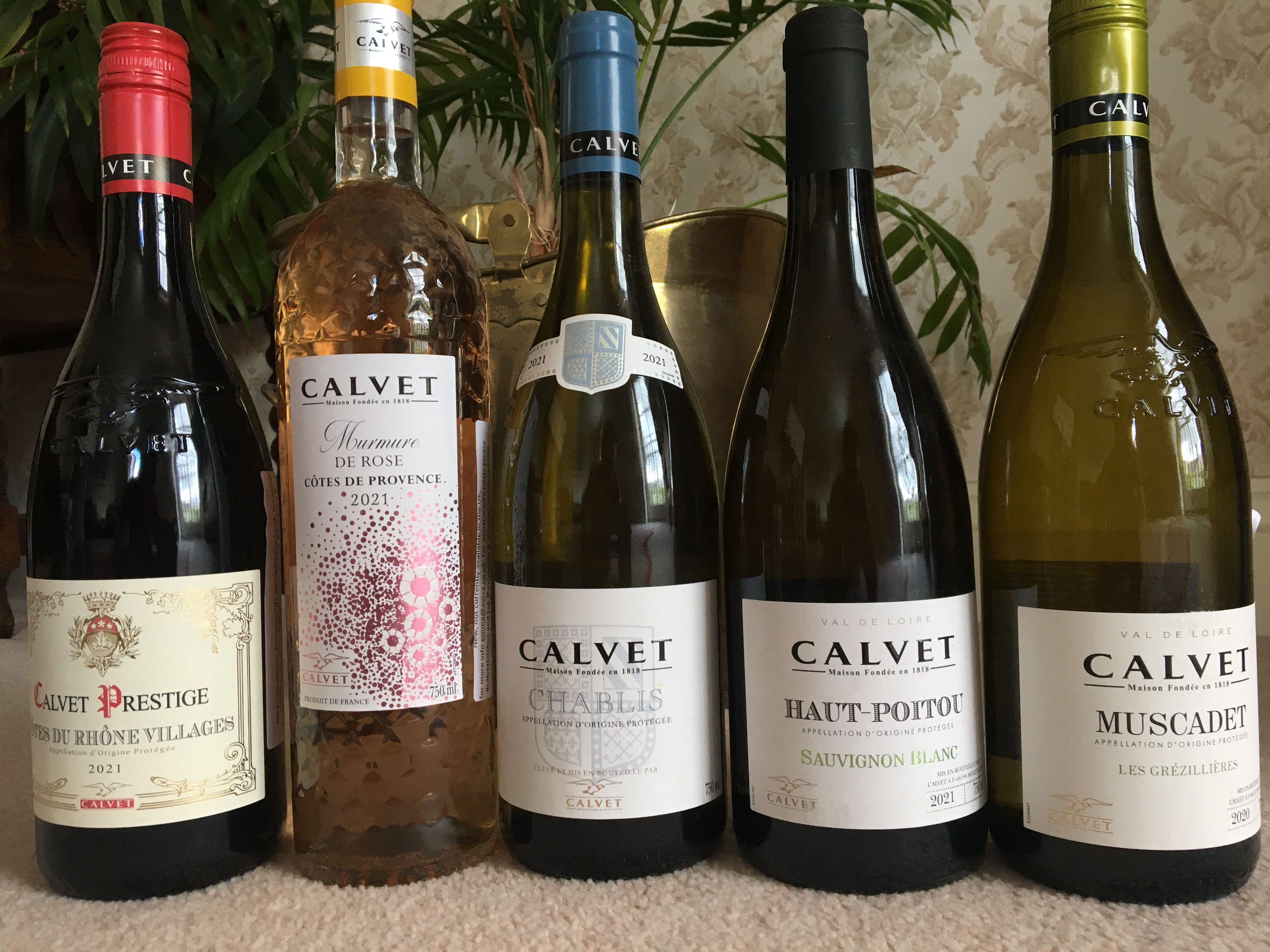
Calvet Kitchen

Six wines from France's Calvet - and the Calvet Kitchen experience

If you know Calvet's wines, it is probably for their range of easy-drinking and inexpensive Bordeaux. And if you don't, you probably should, as they are the largest French wine brand in the UK and the UK is Calvet's largest market.

But Calvet turns out to be a lot more than just Bordeaux; established over 200 years ago, the company makes wine in almost all of France's major regions.

Calvet Kitchen is a food-and-wine matching initiative to pair regional French dishes with Calvet wines; which is, after all, when French wine is all about.

With 64 winemakers in 7 regions, Calvet is a diverse business and yet all the wines here had a family resemblance that reflects Calvet's aims - an elegance and easy-drinking freshness with plenty of food-friendly mid-palate.

These wines all drink well on first pouring, but also open with aeration and have the body and complexity to stand up to food.

Loire-based winemaker Pierre-Jean Sauvion explained his approach:

- quality of fruit

- balance of fruit and freshness

- food-friendly salinity

The wines were all of broadly similar quality and, the Chablis aside, price, so preferences come down largely to personal taste.

Of the whites, I enjoyed the Chablis most, but given the price difference, the Muscadet makes a good value alternative.

Of the other colours, the CdRV was the most substantial and interesting.

The Calvet Kitchen playlist archive is here:

Calvet Kitchen | Meet Guillaume Lassevils, chef in the Bordeaux region - YouTube


Calvet Muscadet 2020, abv 12%, (£5.95-7 Sainsbury’s, Tesco, Co-op)

Grown on warmer sandy soils, resulting in more ripeness in the wine.

minty and floral with tropical fruit; fresh, rounded and saline with pear and white stone fruits

Thoroughly enjoyable.

Match with seafood and freshwater fish.


Calvet Haut Poitou 2021, abv 11.5%, (£10.99 Waitrose)

A new appellation to the south of the Loire around an hour from Saumur, it was created in 2011 but has a long history dating back to the 14th century. The soils are part of the same chalk limestone that runs under Champagne and moderates the water table which is key to the condition of the grapes.

Loire Sauvignon with a new world nose, but old world palate.

expressive and exuberant; gooseberries, exotic fruits and mintiness; juicy citrus, ripe green fruits and herbaceous, minty, zippy lime,

Thoroughly enjoyable.

Matches well with fresh tomato-based dishes.


Calvet Chablis 2021, abv 12%, (£20 Ocado)

Grown on chalk soils with 80% fermented in stainless steel for freshness and 20% in barrel for complexity.

stone fruits, peaches an dapricot; green apple and grapefruit, with lemon zest, fresh coriander and salinity.

Thoroughly enjoyable.

A versatile food wine, serve as an aperitif or match with starters and lighter mains.


Calvet Murmure de Rose Côtes de Provence 2021, abv 12.5% (new)

Newly-launched in the UK; night-picked for freshness with a short maceration; fermented in stainless steel for freshness.

red fruits, mint and spice; fresh, fruited and textured with red berries and salinity.

Sip as an aperitif or match with picnic foods.

Calvet Prestige Bordeaux Red 2020, abv 14%, (£7.50-£8.50 Sainsburys, Ocado, Co-op, Tesco)

80% Merlot with 20% Cabernet

red and dark berry fruits with vanilla spice; fresh with juicy, ripe and fleshy berry fruits; fine tannins and leafy, savoury, mushroomy flavours

Thoroughly enjoyable.

Match with red meats, such as bbq burgers or char-grilled steak.

Calvet Prestige Côtes du Rhône Villages 2021, abv 14%, (£7.50 Tesco)

Classic Rhône GSM blend

dark fruits and spices with garrigue herbs; substantial, fresh and supple with gentle tannins; harmonious and adept

Thoroughly enjoyable.

Match the freshness to meaty fish, such as salmon or rare tuna steaks.

Thursday, 7 July 2022

Crisp White and Big Red - Antipodean-Style

Three antipodean wines: Crisp Whites and Big Red from the other side of the planet

I've said it many times, Crisp White and Big Red is the classing pairing for almost any meal - begin with something refreshing and zippy as an aperitif-cum-starter wine before moving on to a bigger red to go with a meaty main course. It's food and wine matching 101.

In Europe, you can take your pick from red and white Burgundy, Chablis and Rioja or even a couple of Loires.

Here is a southern hemisphere version of the same pairing, with classic New Zealand Sauvignon and an unusual Australian Tempranillo.

White: New Zealand

Nelson is New Zealand’s sunshine capital where the Seifried family have been crafting their art for nearly 50 years. Today, Seifried Estate is devoted to sustainable winegrowing and producing the very best Nelson has to offer.

Classic South Sauvignon Blanc 2021 and Seifried Estate Sauvignon Blanc 2021 from Nelson are more restrained and balanced than its famous Marlborough cousins. These wines are brimming with everything great about New Zealand Sauvignon and bursting with bright fruit, balanced by the delicate, mineral freshness resulting from sunny vineyards, on the shores of the Tasman Sea.

The Seifried family have more than 320 hectares of estate-grown vineyards across 10 properties in the Nelson region.

The vineyards relevant to these two wines are Brightwater, 15 kilometres from the coast and sheltered from the south by the Richmond Ranges. Here, the vines grow in rocks and boulders, which, although hard on the farm machinery, are key to holding the warmth of Nelson’s sun and for ripening the grapes. 

Queen Victoria Vineyard is known for its apple orchards, kiwi and hops, and the grapes grow on stony free draining soils giving the fruit clarity and varietal intensity.

Redwood Valley Vineyard is on a gently sloping, north facing clay site where the vines range from 10 to 30 years old and enjoy maximum exposure to sunlight for intensity and optimal ripeness.

Seifried Estate was established by Austrian-born Hermann Seifried and his Kiwi wife Agnes when they planted their first vineyard in the Moutere Valley near Nelson, in 1973, establishing themselves as pioneers of modern winegrowing in New Zealand’s South Island.

Hermann and Agnes still oversee the business which has grown to include the whole family. Son Chris and daughter Heidi are qualified winemakers, and daughter Anna oversees sales and marketing.

Seifried Estate wines are marketed in 26 countries around the world and 60% of Seifried Estate’s wine production and export is Sauvignon Blanc.


Classic South Sauvignon Blanc 2021, (£10.99, Waitrose)

Classic South Sauvignon Blanc is sustainably made and vegan-friendly from Seifried’s Brightwater, Queen Victoria, and Redwood Valley Vineyards.

2021 was a cooler year than normal in Nelson, with a warm run of weather just as the fruit was ripening and during harvest, resulting in delicate aromas and bright acidity. 

expressive lifted aromatics with lemongrass, lime zest, green herbs, tropical fruits, florality and white pepper; citrus, grapefruit and lime marmalade with white stone fruits, melon and pineapple; hints of spicy pungent muskiness; good underpinnings.

Drinks nicely on first opening; gains complexity with aeration.

Good.

Match with herby foods such as mozzarella with basil, tomatoes with rosemary or saltimbocca.

Also reviewed by Tom Cannavan here:


Seifried Estate Sauvignon Blanc 2021, (£14.99, Waitrose)

Seifried Estate Sauvignon Blanc is made from grapes from the Brightwater and Queen Victoria Vineyards; they were destemmed and pressed immediately after harvest and cool fermented in stainless steel tanks to retain the clean aromatic fruit characters. 

2021 was a cracker vintage in Nelson, albeit the yields were devastatingly light due to spring frost, unsettled flowering weather and Boxing Day hail. 

citrus and lemongrass with minty chives and white pepper; saline and savoury with grapefruit, citrus, acacia blossom, white stone fruits, white pepper and creamy brazil nut; saline and complex.

Good.

Match with ham hock terrine and parsley or monkfish with a herby broth. 

Red: Australia

Running with Bulls is an Australian wine made from Tempranillo, the main grape variety of Rioja. It’s not a traditional variety in Australia but has proven to love it here, and with its feet firmly planted in Barossa soil, it has adapted well.

The ideal warmer climate of the region helps to showcase the stylish fruit flavours of this emerging variety and produce some promising wines such as this one.

The Hill-Smith family created the Running with Bulls collection back in 2008, unapologetically bucking tradition to produce a wine that was not only new, but brilliant. Running with Bulls is a well-priced Australian interpretation of a Mediterranean classic.


Running with Bulls Tempranillo (£8, Tesco, Co-op)

Barossa-grown Tempranillo is fermented with wild yeasts indigenous to the vineyards, followed by a wild malolactic fermentation in tank which brings out the fruity character and lovely tannins.

dark berry and cherry fruits with spice and wild herbs; juicy plums and black fruits with cocoa, cinnamon and cola; concentrated, fresh and supple with gentle tannins.

Well made and thoroughly enjoyable

Served lightly chilled as a summer garden sipper or match with a range of Mediterranean foods such as pizza, paella, antipasti or mezze.

***

Wednesday, 6 July 2022

The CWB Co-op Chile-Off

Two Co-op reds from Chile

Chile has always possessed great potential, but it hasn't always produced great wines. Historically, it churned out too much heavy-handed plonk that had an eye on American mass market rather than budget-conscious European palates - over-alcoholic, over-extracted, over here.

Fortunately, as people like Tim Atkin have shown, there is an increasing trend in Chile now to focus on freshness, drinkability and elegance.

These two wines show what Chile is capable of at UK supermarket prices.

The Carménère is Chile's signature red grape variety; long mistaken for Merlot, it was rediscovered only in 1994. Its flavour profile, unsurprisingly, is similar to Merlot, but somehow darker and artier with more soy, coffee and dark chocolate.

The Malbec is another Bordeaux grape that has found a home in South America, but is more associated with Argentina on the other side of the Andes.

A notes on the labels

I've long argued the the role of a wine label is to make a promise to the purchaser that the liquid in the bottle keeps. See here for more on this:

The Cambridge Wine Blogger: Costly Signalling - The Peacock Effect

Of the wines bottles here, the Bio Bio Malbec has the more elegant and interesting label, IMHO, but don't let the Carménère label put you off; it's much more adept and sophisticated than the somewhat garish  artwork on the bottle might lead you to believe.

Co-op Irresistible Carménère (£7)

From the Maipo Valley, it was awarded a Gold and Value medal at the Decanter awards, with the judges observing:

“A deliciously peppery style and a lot of wine for the price! There are attractive varietal aromas: roasted red pepper, soy, rich cassis, and a hint of mint. The palate is dense, with firm-ish tannins, yet rounded and showing a lovely freshness. Impressive”. 

soy, iodine and red meat with pencil shavings and dark-berry fruits; juicy dark berries, cherries and peppery vanilla spice; fresh, full and supple with gentle rounded tannins. Well-made with good underpinnings.

Benefits from some aeration.

Good and Good Value.

Match with a plate of salami or a pizza.

Bio Bio Malbec (£8)

Won Silver at the Decanter wine awards, with judges commenting:

“Plum and blueberry with some ginger, cedar, and dried herbs. Good concentration of fruit, some floral freshness.”

dark, black fruits, violets, spice, pencil shavings and liquorice; fresh, supple and savoury. Plump and inky yet focused with fine, rounded tannins. Well-made, accomplished and harmonious.

Good and Good Value.

Match with roast lamb or rare steak; for a meat-free option, match with griddled courgette and aubergine drizzled with balsamic vinegar.

Sunday, 19 June 2022

The CWB Inexpensive Co-op Rioja-Off

An inexpensive red and white Rioja from The Co-op

Asked to name a Spanish table wine, many people's first suggestion might well be Rioja; for a long time it was that country's most well-known oenological product.

These days, Spain produces a dazzling array of different wines of all colours and styles, for reasons I explain here: The Cambridge Wine Blogger: The CWB Spain-Off

Rioja's style of traditional winemaking, with aging in oak barrels, was brought to the region by the Bordelais fleeing the effects of Phylloxera in their homeland in the late 1800s. 

So it make sense to think of Rioja as akin to a warmer-climate Bordeaux, with plenty of fruit but also the structure and complexity to be food-friendly.

Here are two well-made and inexpensive Riojas from the Co-op.

Muriel Tempranillo Rioja, 2019 (£8:50)

From a family owned winery that prides itself on the quality of its Rioja wines. Founded by José Villaverde Murú in 1926 and revived by son Julian Murúa sixty years later.

ripe bramble fruits, roasted spices, dried herbs and woodsy undergrowth; sweet, ripe slightly jammy bramble and plum fruit; spices and herbs with very fine, slightly drying tannins.

Thoroughly pleasant.

Match with roasted red meats or a plate of charcuterie.

CUNE White Rioja (£9:50)

softly oaked, 100% Viura

white flowers, orchard fruits, citrus and grapefruit pith with toasty melonskin; supple, citrussy and fresh with with stone fruits; full and savoury.

Very adept.

Good.

A versatile food wine, match with roast white meats or a cheese board.

Saturday, 21 May 2022

Two Co-Op Medal Winners

Two IWSC medal-winning wines from the Co-op

Say you need a fresh, food-friendly white plus big red to match with some red meat. Perhaps you you need them to have plenty of enjoyable fruit, but also be able to back it up with complex sophistication. But what if budget does not stretch beyond £10? Oh, and you need to be able to pop out and buy them locally, rather than have to make up a large online order? Potentially, you have quite the challenge on your hands.

However, the good news is that the Co-op has two IWSC medal-winnings wines priced around £9 that are enjoyable, sophisticated, food-friendly and kind to your wallet.

The Gavi di Gavi is a flawless, supple Italian white that you can sip in the garden, take on a picnic or match with starters or even lighter mains.

The Argentinean Malbec is plump and darkly-fruited yet fresh, perfect for char-grilled steak or barbecue meats.


Co-op Irresistible Gavi di Gavi 2021, Italy (£8.50)

Made by the Broglia family who have been producing delicate and delicious white wines in northern Italy since 1972, the first records of wine from these vineyards date from AD 972.

Despite being from a region more famous for red wines Gavi has carved out a well-deserved reputation for excellent, dry and refreshing whites.

orchard fruits, white peach, florality and sweet spices; crisp and fresh yet full and supple with baked apple, lemon curd and melon fruit and creamy toasted almond.

Thoroughly enjoyable.

Match with soft cheese, meaty white fish or white meats.


Don David Blend of Terroirs Fairtrade 2021, Argentina (£9.00) 

From the unique wine making region of the Calchaqui Valley, this is a blend of two Malbecs from different high altitudes. One brings the fruit concentration while the other adds structure, texture and backbone.

dark plums, elderberries and blueberry fruit; with liquorice, spice and violets; black cherry fruit, black olives, cool mint full, supple and fresh with an inky texture, generous extraction and rounded tannins.

Thoroughly enjoyable.

Match with roasted red meats, such as lamb with garlic and rosemary or char-grilled barbecue meats.

Sunday, 13 March 2022

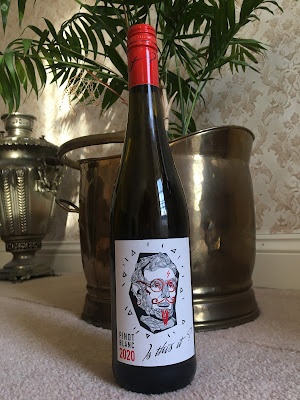
Is This It? Hungarian Pinot Blanc from The Co-op

Is This It? A Pinot Blanc from Hungary via The Co-op

Can't you see I'm trying? I don't even like it
I just lied to get to your apartment
Now I'm staying there just for a while
I can't think 'cause I'm just way too tired

- The Strokes, Is This It? (2001)


I cannot lie, a Hungarian wine that references one of the greatest albums of the 21st century, if not of all time, got my interest.

Budapest was one of the later great eastern European capitals to smarten up; Vienna had always been beautiful, if somewhat sleepy, and Prague, full of scruffy backpackers followed by braying stag-dos, seemed to improve continuously before your eyes but Budapest took another decade-or-so to get with the programme and reveal its charms.

In the early '00s, it was still all Socialist faded glamour, but by the end of the new century's first decade it had some become attractive and vibrant, with a sophisticated, cosmopolitan feel and a newly burnished hedonistic, hipster vibe.

The same, to an extent, is true of Hungarian wines; our local MD at the advertising agency that I used to drop in on periodically twenty-odd years ago could always be relied on to find a good restaurant with an impressive wine list, but these were pioneering exceptions more than the rule.

These days, the Hungarian wine scene is more of a movement and more confident, with plenty of good wines and some that are rather better than that.

This Pinot Blanc from The Co-op fits firmly into the well-made, inexpensive and enjoyable category. Elegant more than complex, it is a perfect everyday wine; an easy sipper for when the weather is good, a barbecue or party wine if you want something easy-drinking and well made with broad appeal or an aperitif / starters wine.

It is also good value even at the list price, before special-offer discounts.

For more on discovering Hungary, see this from Lonely Planet: Hit the road for the best experiences in Hungary – Lonely Planet


Is This It? Pinot Blanc (£6.50, The Co-op)

arestrained nose of citrus and florality; fresh conference pear and green apple, citrus, white flowers and a touch of white pepper; good linear acidity and minerality; well-made, very adept and elegant.

Thoroughly enjoyable.

Drink as a summer sipper or with light starters, such as mozzarella, scallops or chicken salad.


Special offer details 

Reduced to £5.50 from £6.50 from 16 March – 05 April 2022.


Saturday, 5 March 2022

The CWB Spain-Off - Crisp Young White And Mature Big Red

An inexpensive Spanish crisp white and mature red from The Co-op

Crisp White and Big Red is the standard pairing for any meal.

A fresh, vibrant white serves as both aperitif and matches with starters such as fish, young cheeses or vegetables.

A big red matches with a substantial main of beef or lamb; if it's mature, it will match with something gamier such as venison or duck.

To avoid paying big money for grand-name appellations, you can seek out better-value wines from less well-known regions to get more wine for your pounds.

Even better, these two bottles from The Co-op are on special offer between February 23rd and March 15th, 2022 and both reduced to £5.

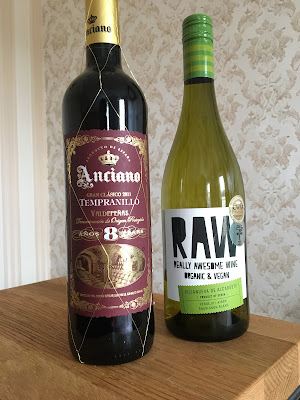
Raw Airen Verdejo Sauvignon Blanc Organic (£8, The Co-op)

A lighter, fresher alternative to entry-level Petit Chablis, Loire white or kiwi Sauvignon.

Airen, Verdejo and Sauvignon Blanc blend; aromatic, floral and peppery with vibrant lemon-lime citrussy zip, gooseberries and freshly-cut grass. Fresh and mineral; light and easy drinking with no rough edges.

Good and Good Value.

Drink as an aperitif or with the lightest of starters - oysters or goat's cheese.

Anciano Gran Clasico 8-Year-Old (£9)

Tempranillo grapes hand picked from 30 year-old vines in late August/early September, 18 months in oak; this is a budget alternative to mature Rioja.

floral and spicy with bramble fruit, fresh with red berry fruits, red berry fruits, plum, tobacco, vanilla, leather and herbs; evolved roasted nuts and old leather.

Thoroughly enjoyable and Good Value for the age.

Match with robust red meat dishes, such as beef bourguignon or venison stew.

Saturday, 12 February 2022

Two South African Wines from The Co-op

Two South African wines from the Co-op

These two Co-op Fairtrade wine are on special offer from 23 February to 15 March 2022 inclusive, and reduced from their quoted prices below.

South Africa does not have a problem with ripeness; a warm country with plenty of sunshine, it never struggles to ripen grapes.

Rather, the challenge is more in maintaining freshness, even more so the further you get from the moderating sea breezes of coastal areas.

At the lower end of the price range, this means you get plenty of warmth and sunshine in the glass. If, as here, the wines are well-enough made, expect them to be full and expressive. And best matched with hearty foods.

Stylistically, they are as mainstream and familiar as you would expect.

Co-op and Fairtrade

Both these wines are Fairtrade and Co-op is the world’s largest retailer of Fairtrade Wine, continuing to champion Fairtrade producers to ensure they’re paid a fair wage. Stocking 57 Fairtrade wines in total, in 2020 Co-op sold 14.5million litres of Fairtrade wine.

The premium wines from Co-op sales have helped to build a school and a secure water supply in Tilimuqui, to name but a few, and Co-op continues to work with suppliers and producers to help them gain Fairtrade accreditation.

So easy to enjoy, inexpensive and does good.

What's not to like?

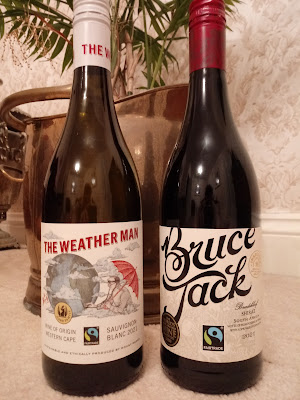
Weather Man Sauvignon Blanc (£6.50)

kiwi lookalike

expressive kiwi-style pungent aromatics with guava, passionfruit and lemongrass; fresh citrus and lime zest, tropical fruits and gentle tannins. Harmonious and fault free.

Thoroughly pleasant.

Will stand up to strongly-flavoured foods; think creamy curries, grilled mackerel with garlic or hot dogs with relish. In warmer weather, it will work with barbecues or picnics.

Bruce Jack Shiraz (£7.25)

porty - in a good way

expressive with lifted dark fruits, leathery-earthy oaky spice and herbaceous minty eucalyptus; sweet, ripe plum, blueberry and dark berry fruit with cassis, oak, cocoa and black pepper. Supple and harmonious.

Thoroughly pleasant.

Match with strongly flavoured red-meat dishes such as burgers, sausages with relish or, chilled, with a rogan josh curry.

Saturday, 8 January 2022

The CWB Co-op Southern Hemisphere Chardonnay-Off

Two southern hemisphere Chardonnays from The Co-op

Oaky Chardonnay might be a bit Bridget Jones, but it is one of the world's great grape varieties and styles.

It all started with white Burgundy and Chardonnay's affinity to new oak; a relatively neutral grape, it is fresh, savoury and food-friendly when made in a cool-climate; oak-aging adds to the flavour profile and complexity.

The reason New World Chardonnay went out of fashion was more to do with too many overripe, over-oaked versions than any inherent weakness and, increasingly, the New World is making it in a cooler, more restrained, gently oaked Burgundian style.

Just without the price tag.

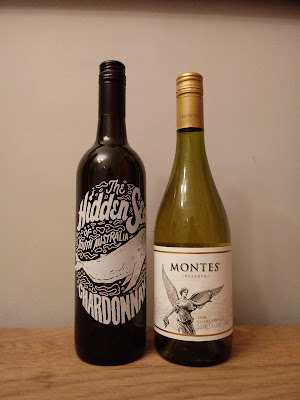
The Hidden Sea recycle 10 plastic bottles from oceans and rivers for every bottle of wine sold; if that isn't a reason to drink their wines, I don't know what is.

You won't find too much technical information about the wines on their website, but there's plenty about their ambition to remove plastic from the oceans and how they are going about it.

It may be something of a cliche but passion is the best brand.

Montes Reserva Chardonnay, Chile (£8)

ripe tropical pineapple and melon fruit, toasty vanilla oak and creamy brazil-nut savoury leesiness. Fresh and mineral; supple, harmonious and well-made.

Good and Good Value.

A versatile food wine, match with herby sausages, roast chicken or wiener schnitzel.

The Hidden Sea Chardonnay (£8)

aromatic floral with musky melonskin and some sweet spices; ripe peach and apricot with butterscotch, creamy brazil nut and a hint of toasty oak; fresh and saline-mineral with good savouriness. Very well made and harmonious.

Drinks well on first pouring and further improves with aeration.

Good and Good Value.

Another versatile food wine, match the freshness to cream cheese starters, white fish or plain roast white meats.

Where next?

If you like these wines and want dive deeper into Burgundian Chardonnay, look at:


The CWB International Chardonnay-Off - Chardies from all over the world: The Cambridge Wine Blogger: The CWB International Chardonnay-Off


***

Note on pricing:

The Montes Chardonnay is reduced from £8 to £7 until February 1st 2022.

Hidden Sea mission:

The Hidden Sea Chardonnay is part of The Co-op's vegan range and suitable for anyone doing Veganuary.

This is their story:

We exist for socially conscious consumers who love great tasting wine, and want to feel a part of something bigger than themselves. We remove and recycle 10 plastic bottles from oceans and rivers for every bottle of wine we sell.

WHY DO WE DO THIS?

Because we want to leave the world better than it was when we came in, and our wines carry a heritage born from the sea. 26 million years ago, South Australia’s incredible Limestone Coast was submerged by a vast ocean that was home to a thriving marine ecosystem.

A series of dramatic ice ages caused the ocean to recede, leaving the area rich with deep limestone deposits containing majestic marine fossils. Ancient mineralised relics, and an extensive museum of marine life, now lay buried beneath the alluvial soils of this World Heritage site.

One of these relics is the fossilised remains of an ancient whale which contributes to the rich, fertile soil in our vineyard. It also provides a natural and unique filtration system - perfect for growing the grapes that produce our award-winning wine.

So that’s our story.

Saturday, 18 December 2021

Three Christmas Wines - Retro, Old Classic, New Classic

Three Christmas wines - Retro, Old Classic, New Classic

I've long argued that Christmas is not a time for wild experimentation or straying too far out of your comfort zone.

With multi-generational family gatherings, lots of cooking and the general weight of expectation, I prefer to reduce the stress levels by keeping wine choices fairly simple.

The most straightforward approach can be simply to have slightly better versions of what you normally drink - with plenty of it to go round.

Here are three wines for Christmas that meet that requirement and should keep all-but-the-fussiest of drinkers happy.

The retro choice - pale cream sherry

Sherry has been enjoying something of a revival, but pale cream remains an anomaly.

Stuck in something of a time-warp, pale cream was only created as a category in the late 20th century but remains something that only one's parents or even grandparents drink.

Essentially a sweetened fino, it is an easier sipper than bone-dry sherries, but like its darker, more complex sibling Cream Sherry, it has not quite managed to shake off its "Maiden Aunt" image, which is a pity as it is a lovely accompaniment to all sorts of slightly sweeter foods.

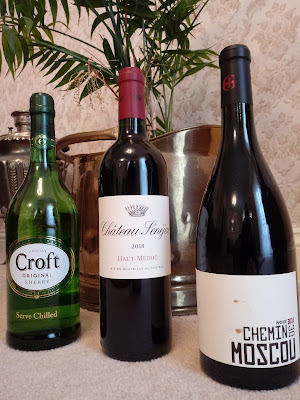
Croft Original Sherry (£12, The Co-op)

yeasty flor, blossom, white pepper and baked white stone fruits; honey, baked apples with sweet spice, white flowers and candied pineapple; warming, substantial, unctuous and complex, yet also mellow and harmonious.

Good.

Serve as a strong-sweet aperitif or match with blue cheese, roasted nuts such as Brazils, melon and parma ham or rich pâté, such as goose liver.

Also consider:

- spicy chorizo or in a Martini in lieu of Vermouth


The Old-School Classic - Bordeaux

Red Bordeaux was my first oenological love and it's a wine I just keep coming back to for its food-friendly, savoury freshness, complexity and aging potential.

Crus Bourgeois are the better wines of the Médoc sub-region of the Left Bank before you get into the stratospheric prices of the Classed Growths; expect just a bit more of everything but without the trophy-wine price tag.

These wine rub shoulders with some of the greatest and most expensive wines you can buy - and it shows.

Chateau Senejac Cru Bourgeois, Bordeaux, 2018 (£17.50, The Co-op)

Vintage matters in Bordeaux perhaps more than anywhere else apart from Burgundy; 2018 is generally considered an exceptional year that favoured the red wines with plenty of warmth.

black cherry and dark plum fruit with complex spice and woodsy sous bois; ripe bramble fruits, raspberry, blackcurrant and plum with minty liquorice and peppery spice; fresh, savoury and supple; long and complex with perfect ripe, very well-integrated tannins

Very Good.

Drinks nicely with plenty of fruit to the fore on first pouring; improves with aeration and has the ability to age.

Match with plain roast red meats or toad-in-the-hole.

The New Classic - Languedoc

From Europe's wine lake to perhaps France's most exciting and innovative region. And almost certainly once of its best-value areas, also scoring well for reliability given its plentiful sunshine.

Languedoc just keeps getting better and better.

Domaine Gayda's first vintage was less than 20 years ago; this 2019 is two-thirds Syrah with one-third Grenache plus some Cinsault making up the balance.

The wine is aged for 21 months in oak in a range of sizes and ages.

Domaine Gayda Chemin de Moscou 2019 (£25, Cambridge Wine Merchants and other independents)

dark purple with complex dark fruits, scrubby garrigue herbs, spice and leathery sous bois; full, supple and fresh with an inky texture, red and black fruits, violets, complex spices and cool mint; plush yet firm; harmonious with well-rounded tannins. Very long.

Very Good.

Drinks nicely with plenty of fruit to the fore on first pouring; improves with aeration and has the ability to age.

Match with garlic-and-rosemary lamb or chicken with a sage-and-sausagemeat stuffing.

***
The first two wines are currently on special offer at The Co-op until January 4th, 2022 :

Croft Original Sherry - reduced to £10.50 
Chateau Senejac Cru Bourgeois, Bordeaux, 2018 - reduced to £16.50

Wednesday, 8 December 2021

Strong And Sweet for Christmas - From The Co-op

A sherry and port from The Co-op

Personally, I can happily drink both sherry and port all year round. But Christmas is an especially good time to have a couple of bottles on hand.

Dry, tangy fino sherry is a great accompaniment to the shorts of cold-cuts, nuts, cheeses and general lunches-from-leftovers meals that are often a staple of the post-Christmas period.

With its ripe fruit, alcohol and sweetness, port is rather more of a cold-weather drink than a summery one; it has the strength to stand up to mince pies and Christmas pudding, or can just be sipped after an expansive meal in your favourite armchair.

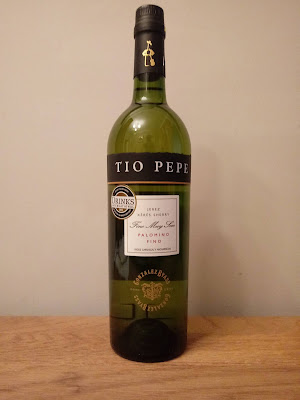
Tio Pepe Fino (£11)

Made from palomino grapes, grown on Albariza soils, fermented to dryness, then fortified lightly for strength, placed in barrels where flor grows and imparts a distinctive tang and finally blended across years via the solera method, sherry is one of the world's great wines.

Complex, elegant and versatile, it is a great match for food; neutral and strong enough not to be overpowered.

pungent with aromatic, floral chamomile; fresh, citrussy and briney-yeasty, with melon, white stone fruit, green apple, brioche, pastry shop, salty almond-and-brazil-nut savouriness; broad, long, complex and elegant.

Good.

The classic match for fino is slices of jamon with machego and bread with olive oil; but it will match almost any collection of "assembled food" meals.

Taylor's Select Reserve Port (£10.75)

Like sherry, port is a wine that has been fortified to keep it stable on the historically long sea voyage from Iberia to England.

Traditionally foot-trodden to extract more colour, flavour and preserving tannins, it is partially fermented then fortified whilst some residual sugar remains to preserve sweetness whilst adding strength.

Ruby is the entry-level of ports, a lighter, younger-drinking wine and whilst "Reserva" historically had no official status, it now indicates a premium ruby port approved by the IVDP's tasting panel, the Câmara de Provadores.

This has everything you want from a port; fruit, spice, warmth and sweetness. It's a lot of wine for not much money. 

red, black and sour cherries, eucalyptus and oaky spice with prunes, raisins and liquorice; sweet, warming and supple with very fine, well-integrated tannins.

Thoroughly enjoyable and good value.

Sip as a digestif; drink with mince pies or chocolate and cherry torte.

---***---

Both wines are currently on special offer at the Co-op:

Tio Pepe Fino is reduced to £10 from December 1 - 14, 2021 and Taylor's Select Reserve Port is down to just £7.50 for the same period.

Tuesday, 16 November 2021

Two Leftfield Whites from The Co-op

Two delicious whites from the Co-op, from unusual grapes / locations

Name a classic, food-friendly white wine and Chablis, kiwi Sauvignon or Pinot Grigio may well be amongst the first  that spring to mind.

These two leftfield wines from the Co-op are classic grapes / wines that are a little bit less common and therefore  slightly leftfield.

This means that:

- they are slightly better value than well-known wines from Big Name Regions
- they are good enough to please anyone who just wants "a glass of something nice"
- they are unusual enough to be interesting, but also classic enough to command respect

Some dinner party facts:

- Viognier's spiritual home is the northern Rhône, where it make very expensive Condrieu
- it almost became extinct, but has seen a revival in fortunes and is now grown all around the world
- it like lots of sun and tastes of ripe peaches and apricots

- not all Rioja is red; white Rioja can be made from local indigenous varieties Viura (aka Macabeo), Malvasía and Garnacha blanca
- CVNE (COO-nay) is the Compañía Vinícola del Norte de España, a family winery founded in 1879 in Haro, La Rioja

Yalumba Y Series Viognier, 2020,  Australia (£9)

All Yalumba Viogniers are fermented using wild yeasts which add extra character and complexity to the wines.

white flowers, white pepper and stone fruit; waxy yet crisp with peach, apricot and pineapple fruit, some grapefruit and lemon pitch; honeysuckle and minerality with good, savoury underpinnings. 

Match with spicy and rich dishes such as a Sri Lankan vegetable or chicken curry.

Good

Cune White Rioja, 2019 Spain (£9.50)

A blend of Viura and Malvasia

golden sandy yellow. ripe, fresh citrus, orchard fruit and galia melon; fresh clean acidity; pure with long saline minerality. Elegant, substantial and deft.

Good.

A versatile food wine, match with roast white meat, pasta in creamy sauces or meaty white fish.

Both these wines are reduced by £1 from 10 November to 30 November 2021 inclusive.

Here's a recipe to match with the white Rioja: Spanish chicken supreme with spring vegetables recipe - BBC Food


Sunday, 3 October 2021

Chateau La Negly, La Clape, Languedoc - The Co-op

A red blend from Languedoc's La Negly based in La Clape - at The Co-op

Stop sniggering at the back.

La Clape is a nature park just outside Narbonne overlooking the Mediterranean; a harsh, dry, rocky hillside covered in garrigue scrub, it covers the 10 miles from Narbonne to the Mediterranean and rises to over 200m.

An AOC since 2015, La Clape is one of the sunniest places in France but is cooled by sea breezes; this gives the wines a ripeness and a freshness. 

Unsurprisingly given the conditions, the vast majority of the wine produced here is red; the area traces a history back to Roman times and is now home to 25 estates and three co-operatives.

Chateau La Negly La Clape, Languedoc, 2019 (£12, The Co-op)

A blend of Grenache, Mourvedre, Carignan and Syrah, it comes in a handsome, heavy bottle.

While Languedoc wines are fairly common in the UK, wines from the sub-region of La Clape are little seen, so this is a somewhat unusual find.

lifted floral nose of lavender, violets and aromatic dried herbs with plum and cherry fruit; juicy black and red fruits, wild strawberries and a hint of gaminess, some spice and gentle, very fine tannins; very well-made and harmonious with good length.

A little closed up at first, improves with extensive aeration and will repay some cellaring.

Good.

A fresh and versatile wine; match with bread-meat-cheese starters, any roast fowl or red meat such as peppered roast beef.

*****

Further details from La Clape's website:


 A CLASSIFIED ENVIRONMENT

Characterized by small, winding, steep-sided, marly valleys ending abruptly in cliffs on the Mediterranean side, the landscape of La Clape is in stark contrast to the surrounding plains. It has been a state-classified site since 1973, for its outstanding natural beauty and its exceptional fauna and flora. 

Situated in the Narbonne regional natural park, it has also been recognized as a Natura 2000 site by the European Union for its natural habitats and remarkable species, a Sensitive Natural Space by the Aude department and is partly owned by the Coastal Conservatory.

In addition to exceptional environmental challenges, here vines act as natural firebreaks and certain parts of the vineyard have been especially planted with this in mind, as part of a concerted effort. A 

CONDUCIVE CLIMATE

The La Clape massif benefits from a harsh, dry climate. The sun and wind together beat down and sweep across the bare rocks. If it is one of the sunniest places in France (up to 3000 hours of sunshine a year) it is due to the thirteen different winds that sweep across it and chase the clouds away. 

Occasionally Mediterranean storms hit, as violent as they are rare and La Clape becomes a tropical isle. A network of ravines forms and the pines and reeds are bent over by the force of the elements. The vines are strengthened by this triple effect: the rain waters and cleans them, the wind dries and airs them and the sun nourishes them and swells the grapes with sugar. The harshness of the climate ensures a high-quality wine-producing area.

AGRO-ECOLOGICAL INITIATIVES

With the support of the Narbonne Regional Natural Park, several agro-environmental initiatives have been taken in the AOC La Clape vineyard. The wine-makers signed the Natura 2000 charter, thus undertaking to sustain the environment and maintain the wealth of natural habitats that characterize the massif.

The program imposes such measures as reducing the use of phytosanitary products. Some estates even practice agro-pastoralism, which is set to develop more widely in the coming years. Since 2015, a herd of 400 sheep nibble the grass between the vines during the 4 months of winter, thus naturally enriching the soil.

Furthermore, research and training programs will be increased in order to encourage responsible agriculture. More than a quarter of the estates are practicing organic agriculture or are in the process of converting.

Tuesday, 14 September 2021

Viognier - A Deep Dive Around The World

Detailed tasting notes on four Viogniers from around the world

A recent tweet by WineMatcher Fiona Beckett on foods to match with Viognier had me digging out an earlier post on this peachy-apricotty tropical sun goddess of a grape.

From obscurity bordering on extinction just a few generations ago, it has now travelled around the world.

Here are four Viogniers to try with Fiona's food recommendations of mild creamy curries like kormas or spicy south-east Asian curry or spicy dishes with a hint of peach or apricot.

If you haven't tried Viognier before, it may well be unlike anything else you have tried - in a good way.

Viognier is originally from the northern Rhône, so it likes a warm climate; it is relatively high in alcohol and low in acidity, so it is rich, plush and hedonistic.

There is no real "adjacent" grape variety to Viognier; Gewuztraminer has a similar high alcohol / low acidity profile, but is much more floral, perfumed and exotic. Viognier shares warm-climate Chardonnay's breadth and affinity for oak and lees-aging, but its flavour profile is more peachy-spicy.

The ripe-yet-dry wines of Alsace, especially Pinot Gris, may be the closest overall match to Viognier, and Marsanne has the same rich waxiness, but if you are new to Viognier, there's a chance that neither of these wines will be adequate reference points either.

My own experience of Viognier was relatively limited until I tasted my way through these wines; I'm still not 100% sure I could spot one blind now, but I have certainly gained an affection for its ripe, peachy richness.

The Yalumba punches above its weight for quality, while the Latour shows the sophisticated oaking you would expect from a Burgundy House. The Guigal is elegant, rich and sun-kissed, while the Viu Manent shows a little more freshness.

Yalumba Y Series Viognier 2020, (£9.49 Majestic, Asda, Morrison’s, The Co-op) 

All Yalumba Viogniers are fermented using wild yeasts which add extra character and complexity to the wines. 

white flowers, white pepper and stone fruit; waxy yet crisp with peach, apricot and pineapple fruit, some grapefruit and lemon pitch; honeysuckle and minerality with good, savoury underpinnings.

Match with spicy and rich dishes such as a Sri Lankan vegetable or chicken curry.

Good.

Louis Latour Ardèche Viognier 2018, (around £15 from Dickens House Wine Emporium, Il Vino, Worsley Wines, winedirect.co.uk)

planted on steeper hillsides, 30% aged in French oak barrels from Latour’s cooperage in Beaune, giving the wine a roundness and slightly spicy edge. The remaining 70% is matured entirely in stainless steel

yellow fruit, blossom and a touch of sweet spice; ripe stone fruits, marzipan and honeysuckle, rich, complex and rounded with very god underpinnings; long and savoury.

Very Good.

Match with duck terrine with chestnuts, lighter game or middle eastern dishes with a spiced, creamy almond sauce.

Guigal Côtes du Rhône White 2019, (£12-£14.75, Tesco, North & South Wines, Clifton Cellars, Amps Fine Wines, Amazon) 

A blend of 60% Viognier, with Roussane, Marsanne and others; the average vine age is 25 years.

floral with peach, orchard fruits and sweet spices; dense and concentrated with peachy fruit, fennel honeysuckle, white pepper and a savoury, waxy sappiness; very long and complex with excellent underpinnings.

Good.

Match with rich dishes such as roast pork or creamy curries

Chile Viu Manent Secret Viognier 2018 (around £14, Great Grog, Chester Wine and Beer, Albury Wine Store, La Zouch, The Wine Chambers, Flagship Wines) 

From the Colchagua valley, which has warm days, cool nights and moderating breezes; the wine is fermented with native natural yeasts and vinified in stainless steel. Up to 15% of this blend can be ‘other varieties’ which vary each year depending on weather conditions. 

gently floral with slightly musky orchard fruit; pineapple, white peach, pear, white pepper, ginger and sweet spices; fresh, clean and sappy with good underpinnings.

Good.

 A versatile food wine, match with white-meat stews, turkey, grilled chicken, meaty fish, such as sea bass, poached salmon and tuna or a seafood risotto

Sunday, 12 September 2021

The CWB Co-op South American Red-Off

Two South American reds from The Co-op

Either side of the Andes, Chile and Argentina and synonymous with South American wine and are its two biggest producers.

For reds, Chile's signature grape is Carménère (historically confused with Merlot, which it somewhat resembles); whereas, for Argentina it is the heat-loving Malbec.

These two South American wines from the Co-op represent an exploration of what these countries can do beyond their most well-known varieties.

Syrah is a warm-climate grape originally from the Rhône, whereas Cabernet Franc tolerates a wider range of climates from the somewhat chilly Loire (where it produces fresh, vibrant wines) to warm-climate Languedoc where it is bigger and fuller.

Leyda Valley Syrah, Chile (£10)

A fresh and juicy cool-climate Syrah grown just 4km away from the Pacific Ocean and produced by multi-award winning winemaker Viviana Navarrete.

floral, bubblegum nose with baked dark fruits, cocoa and spice; juicy, slightly stewed blackcurrant, blackberry and black cherry fruits, minty eucalyptus and generous extraction with ripe, rounded tannins; fresh and savoury.

Improves with aeration.

Good.

Match with char-grilled red meats or charcuterie. 

Brazos Cabernet Franc, Argentina (£9.50)

Made by Familia Zuccardi, a family-run winery in Mendoza region of Argentina, dating back to 1968.

red and black fruits, eucalyptus, clove and peppery spice; red and black plum, black olives, grilled notes and lifted cool mint with spicy oakiness: generously extracted and slightly port; firm, slightly drying tannins

Thoroughly enjoyable in a rough-and-tumble sort of way

Match with hearty foods such as rustic pâté or crostini with tapenade.

Saturday, 4 September 2021

Four Late-Summer Wines

Four late-summer wines from France

Four wines for a later-summer garden party, barbecue or just an expansive meal with friends.

All of these wines are easy-drinking yet sophisticated and will match with a range of foods.

On arrival

La Maison du Crémant Prestige Brut, (£14, Sainsbury’s)

Made by respected Burgundian producer François Martenot, this Crémant de Bourgogne, a blend of Chardonnay, Pinot Noir, Gamay and Aligoté, was featured in Decanter’s Top 25 Crémants with 91/100 points.

aromatic and floral, with white flowers, orange blossom and fresh; fresh citrus, crisp apples-and-pears, white stone fruit and leesy brazil-nut creaminess; elegant and complex

Good.

Serve as an aperitif or match with canapés; the freshness will also stand up to roast chicken or fish and chips.

Amuse bouche

Ormarine Conchylia Picpoul de Pinet 2020, (£9, Marks & Spencer)

Ormarine, in partnership with Maison Jeanjean, is the leading producer of Picpoul de Pinet which is the perfect match with oysters, and it happens to be the start of the wild native oyster season on 1 September so a great time to enjoy a dozen with a glass of this Picpoul: 

aromatic with white flowers and sherbetty citrus; lemon-lime, stone fruits and passion fruit with a supple, saline zing; harmonious and adept with good underpinnings.

Good.

Match with seafood, especially oysters, white fish or white meat, such as pork.


To start

La Belle Angèle Sauvignon Blanc 2020, (£9.99/bottle or £8.99 mix six, Majestic)

La Belle Angele was the muse of many Impressionist painters in the Belle Epoque. This Vin de France from Badet Clément is made from 100% Sauvignon Blanc, aged on the lees for about a month.

expressive with fresh gooseberry and grapefruit; ripe tropical fruits, florality, zippy lime and gooseberry, leesy minerality and expressive aromatics. Rounded with good underpinnings.

Thoroughly enjoyable.

Match with pork and herb terrine or carbonara with generous parsley and ground pepper.

It will shortly be the first ever bag in box white win available at Majestic as part of their new BIB range £24.99/2.5litres and £19.99 mix six.

Mains

Les Jamelles Syrah 2019 (£7.25, Co-op)

Another wine from Badet Clément and their best selling brand, this Pays d’Oc wine is made from 100% Syrah grapes grown on 20 year old vines.

wild berries, dark fruits and spices; fresh dark berry fruits, spice and grilled flavours; inky, supple and juicy with rounded tannins and a touch of cool mint.

Good.

Match with roasted red meats, char-grilled steak or barbeque foods

Sunday, 8 August 2021

Berton Vineyard The Black Shiraz - Co-op

A Big Aussie Shiraz from The Co-op

Australia is not so much a country as a continent; it made its name as a producer of Big Ripe wines and you can still find examples in this style - if that's what you want.

Baked fruits, spice and lots of alcohol are the hallmarks of warm-climate Australian wines; easy to drink and easy to understand, they are expressive and make a statement.

The Co-op's website says: the Black Shiraz is an extreme example of a New World Shiraz with deep colour and aromas of blackberry and plum over toast, vanilla and spice. Full flavoured and intense for those who like a full throttle wine.

Another way of putting it is as big, muscular and unashamedly old school as a ute; an enjoyable blue-collar hero.

Berton Vineyard The Black Shiraz, 2020 (£8.25, Co-op)

dark fruits, cocoa, spice and menthol; ripe black and red pastille fruits, toasty-oak, sweet vanilla and mouth-watering acidity with firm grippy tannins; generously extracted, long and savoury

Thoroughly enjoyable - in a rough-and-tumble sort-of way.

Expressive, fruited and exuberant on first opening; becomes a little more savoury with aeration

No shrinking violet, this will stand up to strongly-flavoured party foods; think smoky, char-grilled meats with plenty of barbecue relish or curry house lava, such as a rogan josh.