Popular Posts

Showing posts with label Greece. Show all posts

Sunday, 24 July 2022

Wines from Crete - the Overview

Wines of Crete - the overview

If asked, I would have, until recently, confidently asserted that Crete is not a wine-producing island. And I would have been completely wrong; it actually makes a wide range of excellent wines from mostly indigenous grapes.
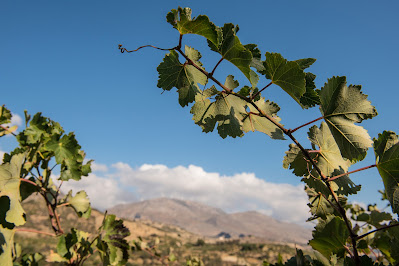
In my defence, I think I was once told about the no-local-wines-in-Crete by someone who had been there on holiday, but clearly he was not paying attention.

Crete's winemaking history dates back around four thousand years, with the Phoenicians and the Egyptians trading wine on the island; later, the Ottomans suppressed wine-making under their rule and the modern Cretan wine industry dates from only the 1990s.

With four PGI areas spanning the entire island and up to 35 native grape varieties, Crete has a complex and diverse oenological culture. All these factors makes it difficult to pinpoint a particular "Cretan" wine style or characteristic.


In practice, the common features of Cretan wines are:

- its indigenous grapes, many of the whites thick-skinned
- the warm (not hot), dry climate
- late ripening with freshness maintained, due in part to diurnal variation from the cooling effect of the White Mountains
- the effects of elevation, from sea level up to 2.5km on the island

Historically, many of the grapes were blended into sweet wines, so Crete itself is having to rediscover the character and potential of its grapes; after experimenting with more easily recognisable international grapes, Crete is now focusing on its indigenous varieties.

A snapshot of Crete

50% of Crete is at an elevation of more than 500m; it is the oldest inhabited part of Europe and most rivers flow only after rainfall. There is snow on the mountains from November to May and this provides most of the water needed for agriculture (including 30 million olive trees).

Phylloxera arrived on the island only in the 1970s and many of the vines are still on original rootstocks.

Cretan wine production is still highly fragmented; there are around 50 significant producers on the island, with no single dominant player and only a few small co-ops.


Crete in context

Once an ancient civilisation, now just a small sub-region of an obscure country, oenologically-speaking; how to understand and approach Cretan wines?

With 4 PGIs and around 35 native varieties, there is no immediately obvious jumping-off point, such as Robola for Kefalonia or Assyrtiko for Santorini.

Rather, it make more sense to think of Crete as somewhere like France's Languedoc, as Christos Ioannou suggests, describing it as one of the most exciting wine regions in Greece; an ancient warm, dry and sunny wine region with varied terroirs and indigenous grapes, yet newly-revived and still discovering its full potential.

So don't expect to find a Cretan equivalent of Marlborough Sauvignon Blanc or Barossa Shiraz; there are no local takes on international styles. 

You will find whites, rosés, amber wines and reds; they will be well-made and very elegant; the styles and flavour profiles with be both familiar-enough and yet at the same time subtly different, like a tune you think you've heard before yet can't quite place.

The names of the grapes will most probably be completely unfamiliar, so until you know your Vidiano from your Thrapsani, you will likely need a quick chat with the sommelier or a decent tasting note to establish how it will best work with food.

Full tasting notes of 8 wines to follow.


Monday, 31 December 2018

Christmas Afternoon Tea At The Old Bridge Huntingdon

Afternoon tea at the Old Bridge in Huntingdon

Once every few years, we make the short trek up to Huntingdon from Cambridge and visit The Old Bridge, owned and run by MW John Hoskins.

Whilst other places wax and wane, the standard at The Old Bridge never seems to vary. The food is always well-made, the wines excellent chosen and the ambiance varies by seating area.
The most traditional part is the pubby bar, the edgiest is the wine shop with stripped floors and an oenomatic machine dispensing wines in taster, small and medium sizes.

A bit like London buses, I had occasion to visit The Old Bridge twice on either side of the same weekend. First to catch up with a contact and then for Afternoon Tea with colleagues.

For the catch-up, we sat in the Wine Shop and tasted our way through a few whites and reds whilst comparing notes on business issues.
The 2017 ‘Wild Ferment’ Assyrtiko from Gaia's Santorini was mineral, linear and precise; the 2015 Chardonnay from Richard Kershaw in Elgin, South Africa was adept and complex.

Moving on to the reds, a 2015 Lemberger from Simonroth, Schnaitmann in Württemberg, Germany was bright, juicy and cherry fruited. The only bum note was a 2013 Cab Franc from Seneca Lake, by Red Hook Winery in Finger Lakes, USA. This was the most expensive of the wines and for me the least impressive.

A few days later saw a return visit for afternoon tea - a couple in the party opted for a glass of Prosecco while I returned to the wine shop for another hit of the Assyrtiko.

We started a choice of  tea or coffee  and were then served delicious finger sandwiches (smoked salmon and cream cheese; spicy chicken Egg mayonnaise; Beef, watercress and horseradish), scones with Jersey cream, strawberry jam and butter plus three mini cakes.

Monday, 2 November 2015

Modern Greek - Moi, Je M'en Fous

Three wines from Domaine Messenicolas, Greece - via The Greek Delicatessen

Roughly translating as a coarse Gallic shrug, Moi Je M'en Fous is a range of three wines from Domaine Messenicolas in Karditsa in central mainland Greece.

The wines are available in the UK via either The Greek Delicatessen, or if you are in Cambridge, The Olive Grove restaurant.

With edgy name and distinctive labels, you might think this is style over substance - but these wines have won numerous international awards and are definitely worth seeking out. 

White 100% Malagousia; fresh white peach and ripe, baked apple fruit sprinkled with sweet spice; flawlessly adept and rounded. Very Good 

Red 100% Limnionas fresh red-plum fruit notes with some pepperiness and a substantial minerality. Very Good. 

Rose 100% Muscat Hamburg; translucent pomegranate red. Musky red berry aromas and fresh, pure fruit. Long and precise. Very Good.

Match with salmon or prawns.

They retail for around £12; provided for review.

Other related articles
Greek Drama - The Final Act: Nico Lazaridi

Sunday, 1 February 2015

A Greek Odyssey in the Supermarket; Chapter 2 - Waitrose

Two Greek wines from Waitrose, recommended by MW student Anne Jones

These two wines formed part of my further research for an article on Greek wines for Cambridge Business.

Santorini Assyrtiko, Hatzidakis 2013 (£11.99)  Sandy yellow, orchard fruits on the rose; sweet, ripe cooked peaches, but dry, fresh and mineral. A touch of salinity; long, mineral finish. Good.

A versatile food wine, it has the body and acidity to stand up to a range of strongly-flavoured foods such as pasta, roast pork or salamis and hard cheese.

Tsantali Organic Cabernet Sauvignon 2011 (£9.49) a modern Greek red with Bordeaux-style cassis, cedar and cool mint; deep, concentrated structure and an organic purity.

Still tightly knit, despite four years' age, this will benefit from several hours in the decanter / years' cellaring. Good.

Match with red meats, such as rare roast beef.

Other related articles
A Greek Odyssey in the Supermarket; Chapter 1

Saturday, 31 January 2015

A Greek Odyssey in the Supermarket; Chapter 1 - M&S

Two Greek wines from Marks and Spencer, recommended by Elizabeth Kelly

Greek wines are not mainstream - they are both ancient and modern. But they need not be especially difficult to find; these two classy and distinctive Greek wines are from Marks & Spencer.

atlantis 2013, Cyclades

A classic Assyrtiko from the Argyros estate on the volcanic island of Santorini; hermetically sealed under screwcap, it benefits from extensive aeration.
 
Sandy yellow, aromatic, slightly pungent lime blossom, citrus and notes of spice; refreshingly zesty, tangy and mineral with old-vine concentration.
 
Pure and precise, very long. Good.
 
A versatile food wine, match with strongly-flavoured starters, such as garlic prawns, griddled vegetables or bread and oil with cured meats.

Thymiopoulos Xinomavro, Naoussa, 2012
 
Prone to being challenging in its youth, this Xinomavro is ripe, fresh and firm. Pale ruby red, with ripe, red-berry fruit, red plums, mushrooms and a hint of spice; firm but supple tannins.

It benefits from some aeration to show its best - plump, intense and elegant. Good.

Match with Burgundian food - ham terrine, pheasant or duck.

Other related articles
Two Wines from Yoleni's

Saturday, 24 January 2015

Two Wines from Yoleni's

Two Greek wines from Yoleni's

Yoleni's is a web-based European supplier of Mediterranean foods, oil and wine; they sent me a couple of their wines to review.

Both are very well made and good value.

Avdiros "Domaine Vourvoukeli" Regional Organic Wine of Avdira (Eur 11) A blend of Pamidi / Roditis and Chardonnay; organic. Sandy yellow, delicate aromas of nectarines, apricots and melonskin.
 
Elegant, pure and precise; clean and concentrated. Ripe, tropical melon fruit, white flowers, leesiness and a hint of spice.Superbly well-made, flawless and beautifully balanced with a lovely tension between ripeness and freshness. Very Good.

A versatile food wine; match with starters, mushrooms or creamy pasta dishes.

"Palivou Estate Nemea" red wine (Eur 12) atypical, ruby red Agiorgitiko from Nemea; fresh red plums, red and black cherries and vanilla spice; fine, harmonious tannins.

Fresh yet supple and rounded, with an accomplished Pinot-esque lightness and red-fruited elegance. Very Good.

Match with Burgundian food - ham terrine, pheasant or duck.

Other related articles
Greek Food and Wine
Wines From The Greek Delicatessen
Greek Wine Under Different Lenses

Sunday, 3 August 2014

Three More Tanners' Wines

Three more wines from Tanners

Tanners is an impressive, established-but-contemporary independent wine merchant based in Shrewsbury; this is the second part of my review of six of their wines (the first is here).

Santorini Dry White, Hatzidakis 2013 (£13.20) mineral-yet-peachy Greek white.

Sandy yellow, orchard fruits on the rose; sweet, ripe cooked peaches, but dry, fresh and mineral. A touch of salinity; long, mineral finish. Good.

A versatile food wine, it has the body and acidity to stand up to a range of strongly-flavoured foods such as pasta, roast pork or salamis and hard cheese.

Tanners Douro Red 2012 (£8.20) Douro reds are like a toned-down port without the sweetness.

This blend of indigenous grapes is a vibrant ruby purple with aromas of dark fruits and oaky spice. Juicy black cherry, elderberry and blueberry fruit with mocha, tobacco, eucalyptus, vanilla and sweet spices.

Fine, well-integrated tannins, a touch of muscularity and a gentle firmness on the finish.

Good.

Match with duck, roast lamb with rosemary or wild salmon in a pesto-breadcrumb crust.

Renato Fenocchio Barbaresco 2010 (£28.95) a complex Italian Nebbiolo - this seductive-yet-ballsy grape is the Ladyboy of wines, according to The Winebird.

Pale red hue with brick red hints; complex dried red fruits and green herbs with cool mint, undergrowth, tar and roasted spices.

More dried berry fruits, bell pepper and herbs with undergrowth, freshness and muscularity. Long, savoury, harmonious and mellow. Firm, slightly drying tannins on the finish - drinking very nicely with food.

To my francophile palate, this combines the seductive red fruits and perfume of a Pinot with the muscularity and gaminess of an aged Medoc.

Match with slow-roasted rib of beef or pigeon stewed in red wine, shallots, mushrooms and rosemary.

Very Good.

Overall conclusions
I'm as impressed by these three as I was by the first - all good wines sensibly priced for the quality.

Other related articles
Three Wines From Tanners

Monday, 28 July 2014

Matching Food And Wine: Greece‏

Matching Greek mezes from Gaea with a Greek wine from Tanner's
 
- I grew up in Europe, where the history comes from
Eddie Izzard, Dressed to Kill

Europe's general claim as the greatest wine region in the world is not based solely on its grapes, terroir or viticultural practices.

Rather it is the combination of all these things plus centuries of experimentation of grape varieties, growing conditions and local cuisine.

Tuscany's rasping reds cut perfectly through bistecca all fiorentina or meaty ragu; Burgundy's hedonistic Pinot and succulent Chardonnay complement its rich, gamey cuisine.

By contrast, Greek wine is a typically Balkan series of contradictions - ancient, yet modern; historic yet forward-looking; unified, yet diverse.

What we call "Greece" is not an homogenous country at all; a disparate collection of islands plus a mainland whose borders have shifted around over the years, Greece defies easy definition and is more a geopolitical faultline between east and west than a country.

Mezes are no more indicative of the breadth and variety of Greece's national cuisine than pasta is of Italy's or tapas of Spain's. But like pasta and tapas, it is something familiar and as good a place as any to start.

Strongly-flavoured olive-based foods need a relatively neutral wine with plenty of body and acidity to stand up; Assyrtiko is perhaps Greece's ultimate food wine. From the volcanic island of Santorini, it is linear, mineral and sharp-yet-full - the Greek equivalent or fino or Gruener Veltliner.
 

The mezes
Gaea D.O.P. Kalamata Extra Virgin Olive Oil (£5.49 for 500ml from Waitrose and Ocado) from Kalamata in Southern Peloponnese, made from cold-pressed Koroneiki olives
Gaea Kalamata Olive Tapenade
Gaea Sweet Red Pepper & Goat Cheese Tapenade
Gaea Flame-Roasted Red Peppers
Gaea Garlic-Stuffed Green Olives
Gaea Pitted Kalamata Olives

Gaea speciality foods are available in Waitrose, Ocado and independent retailers.

The wine
Santorini Dry White, Hatzidakis 2013 (£13.20, Tanner's Wines) sandy yellow, orchard fruits on the rose; sweet, ripe cooked peaches, but dry, fresh and mineral. A touch of salinity; long, mineral finish. Good.

Mezes and wine provided for review.

Other related articles
Nico Lazaridi
Kefalonia - A Guide
Greek Wine Under Different Lenses

Saturday, 7 June 2014

Greek Drama - The Final Act: Nico Lazaridi

Two final wines from Nico Lazaridi, provided by The Greek Deli

These two Magic Mountain wines from Nico Lazaridi are the most impressive of the six I have tasted and really rather superb.

With international grape varieties and techniques, they have no particular Greek personality - but are just excellent wines in their own right. Tasted blind, I would probably guess at them being from some progressive French chateau in a classic region such as Bordeaux or the Rhone in a good year.

They have an Old World precision, restraint and food friendliness but are also technically very well made indeed. With plenty of stuffing, they feel substantial with significant aging potential.

Magic Mountain White 2012

Golden sandy yellow; pineapple, apricots and some musky sweet spice.

Sweet ripe dried pineapple and apricot pieces, ripe honeydew melon and baked apples-and-pears sprinkled with spice; rich and succulent, concentrated with mouthwatering, zippy lime freshness and the sweet vanilla of some new oak.

Elegant yet substantial; deft and harmonious. A modern classic; will surely improve with age.

Very Good.

Match with rich, Alsatian-type dishes such as roast pork or tarte flambee.

Magic Moutain Red 2008

Dark purple in the glass, complex nose of ripe dark berry fruits, roasted spices, undergrowth and leather; sweet, ripe elderberry and black cherry fruits, vibrant acidity and pepperiness, underpinned by a savoury minerality.

Very fine, ripe and persistent tannins - some firmness on the finish.

At six years, it is drinking nicely now and feels just ready and harmonious - will improve and evolve for more years to come.

Very Good.

Match with plain roast red meat, such as lamb, beef or venison.

The wines are also available in Cambridge at The Olive Grove.

Other related articles
Greek Drama - Nico Lazaridi
More Drama

Links
Nico Lazaridi - website, twitter, Facebook
The Greek Deli - website, twitter

Sunday, 1 June 2014

More Greek Drama: Nico Lazaridi

Two more wines from Greece's Nico Lazaridi, based in Drama - provided by The Greek Deli

Both these wines from Nico Lazaridi, based in the Drama region of northern Greece are precise, well-balanced and technically faultless; they are impressive, enjoyable and very well made indeed.

Are they distinctively Greek? No, not really. Does that matter? Not especially. In style they are perhaps more modern classic French than anything else - in a pleasing-but-serious sort of way. If you want something typically Greek - i.e. not mainstream in style - look elsewhere and go for a linear Assyrtiko or a surly Xinomavro.

The Black Sheep 2013 a white Bordeaux blend of Semillon and Sauvignon; golden sandy yellow with aromas of melon, tropical citrus and musky peachskins.Ripe, citrussy pineapple with a waxy, lanolin texture and aromatic zestiness - long, savoury and accomplished. Very well-balanced with nothing out of place.

Drinking nicely now, will age. Very Good.

Match with roast white meats, such as chicken or pork, or meaty white fish.

25 Years 2010 a Bordeaux blend of Cab and Merlot, vibrant ruby-garnet; blackcurrant, plum, coffee and tobacco aromas. Sweet, ripe black cherry and plum fruit with fresh acidity and roasted spices with a savoury minerality reminiscent of a good Medoc. Fine, gentle and perfectly-ripe tannins. Very long and well-rounded with a firmness on the finish.

A little closed up on first opening, it improves over the course of a couple of days, so will repay decanting or cellaring. Very Good.

Match with roast red meats or game.

Available in Cambridge at The Olive Grove.

Other related articles
Greek Drama
Greek Wines at Circle of Wine Writers

Links
Nico Lazaridi - website, twitter
The Greek Deli - website, twitter

Thursday, 15 May 2014

Greek Drama - Nico Lazaridi

 
Greece is one of the world's oldest wine countries and gave us our word for wine from οἶνος (oinos). Its northern regions of Drama and Kavala, however, have only a very recent history of wine-making; the Nico Lazaridi winery dates back to just 1987.
 
These two Lazaridi wines were provided by The Greek Deli in Stevenage who supply, amongst others, The Olive Grove restaurant in Cambridge.
 
The Queen of Hearts 2013, Assyrtiko, SB, Muscat a blend of mineral, aromatic and floral varieties, it tastes, well ... mineral, aromatic and floral. Poised, Sancerre-esque nose, ripe white orchard and stone fruits, some herbaceous notes, mouthwatering citrus, minerality, linear acidity and a long, persistent finish.
 
Modern, well-structured, refreshing and harmonious with an Old-World elegance. Good.
 
The Black Sheep 2012, Syrah Merlot dark plummy red, Merlot nose of plums, coffee grounds and woodsiness. Plummy fruit, liquorice, violets and sweet vanilla spice. Soft, custardy texture, a touch of salinity, fresh acidity and good savoury underpinnings. Perfectly-ripe tannins and a persistent finish.
 
Deft, well-balanced and serious-yet-enjoyable. Very Good.
 
With its matinee idol good looks matched to technical competence, it is a Leonardo DiCaprio of a wine. By day three, however, it has acquired the precise focus and flavour profile of a baby-Pomerol.
 
Other related articles
Greek Wine Under Different Lenses
Links
Nico Lazaridi - website, twitter
The Greek Deli - website, twitter

Tuesday, 19 November 2013

The Third Cambridge Tasting - Dinner at The Gonville

The third Cambridge Tasting consisted of a game-themed dinner at The Gonville with a group of friends invited to bring along a bottle of something with a bit of age to share with fellow enthusiasts.

Overlooking Parker's Piece, The Gonville had not been on many people's radars as a potential venue - it has the look and feel of a traditional, old-school hotel. However, three things made it a great venue for the dinner:

- a new chef with ambitions to make the restaurant a venue in its own right
- a smart, new and discrete boardroom dining area that seats a party of 14
- a very helpful staff who got all the details of the planning and execution of the dinner just right
On arrival
We started with a current-release Tour de Belfort Cremant de Bordeaux to refresh palates after long weeks at work, journeys back to Cambridge or possibly both.

A traditional method fizz made from Bordelais grapes, it is elegant, crisp and refreshing with a touch of salinity and a fine mousse; as good as many an entry-level Champagne and available exclusively in Cambridge at The Gonville.

Seated for dinner
We tried the wines for each course in reverse-age order, starting with the older, more delicate wines.

Starter - terrine of rabbit
Prince Poniatowski Aigle Blanc 1990 Vouvray a slightly off-dry Chenin from the Loire; bright golden yellow, complex aged nose, tropical citrus, candied lemon and honey with floral aromas. Rounded and mellow. Lovely and well-balanced.

2001 R. López de Heredia Rioja Blanco Crianza Viña Gravonia old-school white Rioja - nothing fruit-forward here; with four years in old oak, it has an oxidative nose and an unusual, pungent, sherry-esque tang. Fresh, lemony and mellow palate. Smells older than the Vouvray but tastes younger.

More structurally precise than the Chenin, it is technically better - and certainly more unusual - but lacks the complexity of an extra decade in bottle.

Kurt Angerer Ametzberg Riesling 2006 Kamptal the first of two Austrian whites from Kamptal - golden sandy yellow, a hint of petrol on the nose; zippy, citrus and mineral, it feels positively youthful. Good structure.

Kurt Angerer Spies Gruener Veltliner 2011 Kamptal white pepper and mineral nose, fresh pure acidity, long and linear; peppery finish.

Both Austrian whites might have benefitted from greater aeration and being served a degree or two warmer.

Magpie Estate "The Thief" Rose 2012 Barossa incongruous young rose from Noel Young's Barossa-based estate - musky nose, fresh ripe red berries; like a sturdy footsoldier in the Officer's Mess.

Main - trio of game birds
Ch Labegorce 1999 Margaux this first of two aged Medocs - dried red bell pepper and dried green herbs; more dried sage on the palate, fresh acidity, soft texture, mellow harmoniousness, well-integrated.

Rousseau de Sipian 2005 Medoc a popular Bordeaux that was familiar to a number of people - truffley undergrowth, fresh acidity, good grip and mouthfeel with bramble fruit and some green herbs.

Alain Voge, Les Chailles 2005 Cornas well-balanced, expressive northern Rhone - mushrooms and truffley hints with complex spice; dark elderberry fruit, spice, freshness and precision.

La Boussole Pinot Noir 2012, Pays d'Oc a Pinot from Montelimar - cooked strawberries and red fruits with good freshness; drinking nicely now, but not an ager.

Dessert - individual berry crumble with ice-cream
J Touchais Coteaux du Layon 1959 Loire - not quite the oldest thing in the room; dark golden, complex aged nose with some hints of mustiness. Dried pineapple pieces, cooked mixed fruit, sultanas and golden syrup with a hint of cognac. Very accomplished and very popular.
Montofoli 1998 Greece mahogany brown, roasted chestnuts, complex, fresh and savoury, long.

Quercia al Poggio, Vin Santo del Chianti Classico 2003 fermented in barrels over four years, golden mahogany, complex aged nose, cooked fruit with roasted bitterness of chestnuts and walnuts.

The Little Wine Company 10yo Tawny NV Australia deep mahogany, port-like eucalyptus, complexity, rich and sweet, mellow with some firmness, long, good finish.

Gutierrez Colosia, Moscatel Soleado NV golden syrupy brown, complex bitter roasted nuts, syrupy and viscose with savoury persistence. Full-on and a little lacking in balancing acidity.

Conclusions
Possibly the most diverse tasting I have ever been to, it was a fascinating exercise to put these wines up against each other.

- the couple of more entry-level wines here were good enough in their own right, style and price bracket, but were simply outclassed by the company they were in.

- the two Austrian wines were also both good, and I felt should have shown better, but by dint of their youthfulness, seemed to struggle against the much older wines

- the dessert wines were surprisingly hit and miss; the later ones all struggled to match the assuredness of the Coteaux du Layon

- the list was long on old school classics - Loire Chenin, Bordeaux and sherry - re-emphasising my belief that ageing potential is what makes a region classic

- assessing the more unusual wines (of which there was no shortage) was extremely difficult; with no obvious reference point, how to decide on a short taste whether it was an ordinary or superior example of its particular style?

- the oldest wines had an aged complexity and mellowness that the younger wines all lacked, making them them all the more interesting; maybe it's my own age, but I feel I could happily drink nothing but mellow, aged wines from now on.

Results
We graded the wines as we went along and at the end of the evening, elected top white, red, sticky and overall winner.

Below are the group results, with my own personal choices in brackets afterwards:

Top white -  Aigle Blanc (Gravonia)
Top red - Rousseau de Sipian (Les Chailles)
Top sticky - J Touchais (J Touchais)
Overall winner - J Touchais (J Touchais)

Other related articles
The Cambridge Tasting #1
The Cambridge Tasting #2

Links
Gonville Hotel - website, twitter
Tour de Belfort - website

Wednesday, 21 August 2013

Kefalonia - a Guide

Earlier this year, inspired by a tasting of Greek wines, I decided to take the CWB family on holiday to a Greek island.

Eschewing the prospect of being just another tourist in some large, beach-front hotel floating on a lilo in the pool by day and eating at identikit tavernas every night, I arranged for us to stay at a secluded, olive grove with just six bedrooms, a pool and breakfast on the terrace.

Ironically, despite studying classics at school, it was my first trip to Greece except for a very brief business trip to an anonymous suburb of Athens a few years ago.

So if like me, you are a Greek novice, here is a basic guide to visiting Kefalonia.

Stay
Gentilini Retreat, a 20ha olive grove in the hills above Argostoli, converted into six bed-and-breakfast bedrooms and a pool with a view of the mountains. You'll need a hire car to get around.

Drive
All the big name car hire companies are on the island, plus plenty of local ones, which tend to be cheaper, such as Pefanis. Book well in advance to get the best prices.
 

Eat
En Kefallinia in Lakithra serves organic traditional Greek food with refinement and elegance.
 

To Castro at St George's castle, the hilltop, former capital of the island just outside modern-day capital Argostoli, serves well-made home-cooked Greek food, with great views as well (the views at next-door Palatino are even better, the food less so).
 

Kiani Akte a seafood restaurant over the water in Argostoli; meat dishes can be a bit basic, but their fresh seafood is some of the best.
 

Drink
The island's native grape variety is Robola - citrussy and elegant with a minerally, white pepper finish. Pure white limestone soil makes for elegant wines, the best are from vineyards cooled by sea breezes or altitude.
 

The biggest producer is the Robola Co-operative, the best is Gentilini. Both do tours and cellar door sales.
 

Also look out for dry red Mavrodaphne (more commonly made sweet on Patras).

Mythos beer is strong, malty and crisp - it goes perfectly with a plate of pork souvlaki.

Beach
Myrtos is beautiful and perhaps the most famous (it was used for a scene in Captain Corelli), but not necessarily the most accessible and has a strong rip tide.
 

Beaches with lots of golden sand and shallow water are plentiful; two of the best can be found at either end of the airport at either Ammes or Minies.

See
With much of the island destroyed by an earthquake in 1953 and only a few remains from classical antiquity, Kefalonia is a better place for relaxation than full-on sight-seeing.

The island's mountainous landscape and winding roads are perhaps its most interesting feature, so the drive can be as much of the trip as the destination.

St George's Castle is a ruined hilltop fortress that was formerly the island's capital (allow 1 hour, plus time for a meal).

For even more spectacular views, journey up to the highest point on the island, Mt Enos 1,682m high (allow 2 hours for the drive up and down - longer if you want to go for a walk at the top).
 

St Gerassimo Monastery - now rebuilt, it is incongruously both ancient and modern. It features the body of the eponymous saint in a glass case (allow 30 mins).
 

Robola Co-operative - next to the monastery, this is the largest wine producer on the island and specialises in the island's native grape, Robola. There is an opportunity to walk around the winery and taste some of the wines (allow 30 mins).

Melissani Lake - an underground lake some 20,000 years old whose roof fell in around 5,000 years ago. Nowadays accessed via a walkway cut through the rock in the 1960s. Allow 30 mins for the visit plus time to see the water flowing out into the sea at Karavomylos and time for a meal on the sea-front.

A short drive through Sami takes you up a hill to an ancient hilltop citadel - now mostly ruins but partly restored (allow 30 mins to walk up and take in the views, more if you have a picnic up there or want to explore).

Gentilini Winery - a few kilometres from the retreat, the winery is on a cliff edge with views across the sea to Lixouri. Allow an hour or more for a guided tour and tasting with owners Marianna and Petros or wine-maker Chris Carter.

Fiskardo - a pretty fishing village at the northern tip of the island, it was unaffected by the earthquake, but has inevitably become something of a tourist magnet (allow 2 hours to wander round, browse shops and have a coffee).
 

Assos - another hilltop castle set on a spur, but you'll need to walk the 2km up to this one. Allow an hour to wander round the beaches and harbour of Assos and a couple of hours to walk up to the castle.

The stars - with almost no street lights, the sky over Kefalonia is beautifully clear. Greeks tend to eat out after dark, when it is cooler and the wasps have gone home, and we would typically sit out for a while whenever we got back just listening to the cicadas and looking up at the sky.

For kids
If they tire of beaches and sandcastles, take them to:

Prokris - an outdoor playpark in Mazarakata open from around 7:30 in the evening. Adults can enjoy beer and, on Saturdays, souvlaki straight from the grill.

Ionian Sea Hotel and Waterpark - take the "Turkish Slipper" ferry from Argostoli to Lixouri, follow signs to Xi beach, then turn off to the water park, an outdoor swimming pool with 5 slides, plus sun loungers for those who just want to relax.
 

The ferry departs every half hour and takes half an hour - allow a whole day for the entire trip.

There's plenty more that we did not have time to do - but that's the point of a holiday; always leave something to come back to.

Other related articles
Greek Wines at Circle of Wine Writers
Greek Wines Under Different Lenses
Gentilini Tasting
Robola and Robola Co-operative


Links & addresses
Gentilini Retreat - website
Robola Co-operative - Omala, 28100, Kefalonia (no website)
Gentilini Winery - website
En Kafallinia -  address (no website)
Prokris - follow signs in Mazarakata (no website)
Ionian Sea Hotel and Waterpark - Lixouri, Kefalonia (no website)

Thursday, 15 August 2013

Robola of Kefalonia and Robola Co-operative‏


If the Greek island of Kefalonia in the Ionian Sea has a signature grape, it is Robola, for it is found almost nowhere else, despite various near-synonyms.

Despite its southerly latitude, Kefalonia is well-suited to grape-growing - the pure white limestone soil gives great elegance to the wines (and allows for ungrafted vines) whilst a combination of cooling sea breezes and altitude provide a respite from the sweltering heat of a Mediterranean summer.

At its most basic, Robola's characteristics are a a citrussy, grapefruit freshness with linear acidity and a minerally, white pepper finish; a relatively neutral grape, it shares some of the flavour characteristics of Gruener Veltliner or cool-climate Chardonnay.

More ambitious examples, from higher altitudes and older vines, show greater structure and complexity - and are sometimes aged in oak, which I'm not yet entirely convinced about.

Like Chardonnay and Gruener, Robola's relative neutrality and linear acidity makes for a very versatile food wine; at En Kefallinia, we found a half-litre of even the basic house Robola matched perfectly with dishes as varied as taramasalata, octopus, pork souvlaki and roasted vegetables.
 

The Robola co-operative on Kefalonia is based inland next to the St Gerasimos monastery. It represents 300 growers and produces wines from various grapes - but only Robola is exclusive to Kefalonia.

I tried three of their wines on a recent visit to the island.
 

Robola of Cephalonia 2012 Organic €6.10 - various vineyards, 800 - 1,000m citrus, grapefruit, aromatic, light and fresh, mineral

San Gerasimo €8.80 - single vineyard, 1,000m+ altitude, more aromatic and expressive white pepper, more elegant and nuanced, well-structured and mineral

Glykorogos €12.20 - a red dessert wine, overripe strawberries on the nose, hints of decaying aromas, fresh red cherry fruit acidity and strawberries, refreshing finish
 

Recommended Wine
My favourite of the three wines here was the San Gerasimo - the wines are imported by Salonica Wines.

Other related articles
Gentilini Tasting
Greek Wines at Circle of Wine Writers

Links
Salonica Wines - website

Saturday, 10 August 2013

Gentilini Wines, Kefalonia - Greece

Kefalonia's Gentilini family, originally from Italy, traces its arrival on the Greek island back to the 1520s; several centuries later, in the early 20th century, the last Gentilini married a Kosmetatos and the name died out.

Marianna Kosmetatos, a direct descendent of the Gentilini-Kosmetatos line, is the current owner and manager of the Gentilini winery with husband Petros.

Both are returned expats of a sort - Marianna's father left the country after a coup and had his daughters educated in the UK, whilst Petros' family went to Australia.

Kefalonia, one of the largest and less overtly touristy Greek islands has a European, rather than Turkish, heritage that included civilised society, gilded furniture and balls but 7,000 years of history were destroyed by a huge earthquake in 1953.

Of more interest to would-be winemakers is that the island is cooled by winds from the north and is composed almost entirely of pure white limestone which reaches over 1,600m at its highest point.
The island has three PDOs - for Robola, sweet Mavrodaphne and sweet Muscat.

The Gentilini winery is just 30 years old and dates from when father Kosmetatos returned from a self-imposed exile - a man with artistic tendencies, he designed and built a house on a cliff edge with 180-degree panoramic views.

Behind it stands the vineyard, winery and tasting area. Early plantings of Chardonnay were not a great success and the focus of the vineyard is, increasingly, indigenous varieties including Mavrodaphne (made dry) and Tsaoussi.

The winery - all organic and gravity-fed (easily done on the steep hillsides) - also buys in grapes from growers both on the island and from the mainland, around 40 tons annually to make a range of red, white and rose wines of increasing quality and complexity.

Each year a number of experimental wines are made - last year was a late-harvest dessert wines, this year, with a new winemaker arrived most recently from the UK's sparkling wine industry, they are trying out a traditional-method fizz based on early-picked grapes (which, as seen below, was still fermenting when we visited).
I first tried Gentilini's Classic Robola at a presentation of Greek wines by Konstantinos Lazarakis MW for the Circle of Wine Writers earlier this year. Staying at the Gentilini Retreat - a 20ha olive grove with rooms and a pool, run by sister Eleni Kosmetatos - I was invited down to the winery for a tasting by Marianna.

With lots of temperature-controlled stainless steel and small oak barrels, quality is high - and this is reflected in the prices which start in double figures for the entry-levels wines and will push, or possibly hit, three figures for magnums of the top Reserve red.

The whites have a minerality and precise purity that reminds me somewhat of Austria much further to the north; the reds, from traditionally-sweet Mavrodaphne and fulsome, bosomy Agiorgitiko have a more crowd-pleasing fruit-forward softness, but with plenty of stuffing, too.

All wines are 2012 in bottle, except where noted, and we accompanied the tasting with some Gentilini olive oil and local graviera cheese, the name apparently taken from Gruyere.

Notes - the entry-level Gentilini wine, often sold as unlabelled house-wine by local restaurants; good, straightforward and pleasant; fresh and citrussy.

Aspro - Tsaoussi, Muscat and SB blend; low in alcohol and acidity, Tsaoussi is not a great grape for making wine and needs the support of the other grapes here. Nonetheless, the result is crisp, toastiness, white flowers, persistence, aromatic herbs.

Classic Robola - 50/50 whole bunch (for elegance) and de-stemmed (for fruit); flinty, mineral nose; crisp and mineral, persistence - incredible freshness, grown at over 500m on pebbles over limestone (tank fermented). Good.

Cellar Selection Robola - 20% barrel fermented (2 weeks plus 1 month lees stirring) harvested 2 weeks later - bigger, fuller, more texture and depth, touch of oaky toastiness on the finish, maybe needs some time for the new oak to settle down.. Good.

Rose - Moschofilero & Agiorgitiko blend (red, white & pink berries); cranberry red, bubblegum nose & red fruits (but no carbonic maceration) very crisp & mineral, quite tannic - needs food (not at all a provencal rose).

Unique Blend Red - Agiorgitiko (plus some Syrah); soft and fruit-forward, bramble with pepperiness

Eclipse 2011 - chocolatey, spicey, leathery liquorice and gaminess, fresh acidity, ripe bramble fruit, depth and persistence, minerality. Good.

Eclipse 2012 (barrel sample) more concentrated than the 2011. Very Good.

Eclipse Reserve 2012 (barrel sample) another step up again. Very Good Indeed.

Syrah 2009 - some Mavrodaphne (18m in barrel) minty, spicy, dark fruit, complex nose - soft velvety texture, pepperiness, dense structure and concentrated firmness, ripe tannins, muscular. Good.

Dessert wine (283 half-bottles made as an experiment, air-dried SB & Muscat) 12% alcohol, peachy nectarine, roasted skins, fresh acidity, savouriness and depth -  more intense than elegant. Not made commercially - which is a pity. Good.

The Robola is imported into the UK by Eclectic Wines of London SW6 3RA (mary@eclecticwines.com).

Other related articles
Greek Wines Under Different Lenses
Greek Wines at the Circle of Wine Writers

Links
Gentilini Winery - website
Gentilini Retreat - website

Thursday, 27 June 2013

Greeks Bearing Gifts

At the end of his presentation to the Circle of Wine Writers earlier this year, Konstantinos Lazarakis explained that he seemed to have one too many of all the wines he had brought and that he had no intention of carting them all the way back to Greece.

So we should all help ourselves to one each.

I had been impressed by all the Xinomavros and picked the first I could find which turned out to be a 2006 from Alpha Estate.

My original tasting note, along with all the others, can be found here.

Alpha Estate Xinomavro, 2006 - from ungrafted old vines grown on sand, this wine is unfiltered. The grapes are grown at altitude, which brings a freshness to the wine.

Although a 2006, it still feels youthful and primary; it is still a little closed initially but opens up over the course of a couple of days.

On the nose, there are aromas of red fruits, cherries and roasted spices.

The palate is fresh with more ripe cherry fruit, really fine tannins and a long savouriness. There are occasional hints of the herby gameyness I noted at the CWW tasting that will surely develop with further ageing.

For now, it feels extremely focused - pure ripe fruit and savouriness - and rather uncompromising; but there is a depth, elegance and sophistication behind a somewhat feisty exterior.

With aeration, it opens up more, so don't be afraid to decant or cellar for a further 5-10 years.

As Konstantinos noted, Xinomavro is a surly bitch of a grape, a mouthful of acidity and tannins - this, then, is Patti Smith: energetic, assertive and purposeful, feisty yet complex, darkly intriguing and beautiful.

I thought it would be interesting to compare this to another wine - also Greek, also a gift.

Gaia Agiorgitiko & Syrah, 2008 - from the Nemea region in the Peleponnese, the home of Agiorgitiko.

The name means St George and the style is ripe with lots of crowd pleasing fruit.

Dark purple in the glass, lots of aromas of red and black cherries, dark berry fruit, spice and a lick of oak.

Ripe with lots of crowd-pleasing fruit, floral aromas, soft tannins and some pepperiness; classy and appealing, but unchallenging, this is more Gwynneth Paltrow.

Other related articles
Greek Wines Under Different Lenses
Greek Wines at Circle of Wine Writers
Gentilini Wines, Kefalonia - Greece

Links
Alpha Estate - website, twitter
Gaia Wines - website, twitter

Image credit - Patti Smith album http://upload.wikimedia.org/wikipedia/en/c/c1/Because_the_Night_-_Patti_Smith_Group.jpg