Popular Posts

Showing posts with label Portugal. Show all posts

Saturday, 22 January 2022

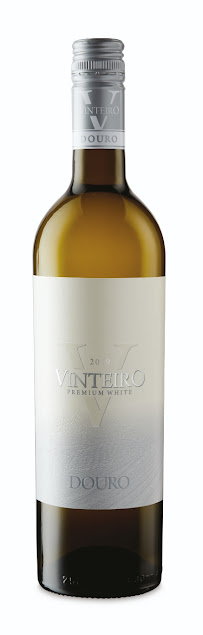
Duorum Vinteiro 2019 - Aldi

A white wine from Portugal's Douro region, at German discounter Aldi

Also reviewed on my new platform here: Duorum Vinteiro 2019 — Aldi. A white wine from Portugal’s Douro… | by Tom Lewis | Oct, 2022 | Medium

Portugal's Douro region is best known for producing port and, increasingly, red table wines from port grapes. Whites from the region are something of a niche interest.

Where port is big, alcoholic and sweet, this Douro white is clean, lean and refreshing, the sort of wine for sipping in the garden on a hot summer's day or for serving as an aperitif.

Made from a blend of grapes, it includes some Rabigato, part of the Muscat family which gives just a hint of grapey florality.

It also comes highly and widely recommended:

Charles Metcalfe: Vinteiro, Portuguese White Douro 2019 - YouTube

Paula Goddard: Top Ten Aldi wines - WineUncorked: Wine Reviews and Tips

Elegant, well-made and versatile, it is a wine you can keep coming back to for refreshments rather than one that makes a big splash on first impression.

Fresh and mineral, it would also stand up to deep-fried fish or a seafood stew

Douro Vinteiro, 2019 - Aldi (£5.99)

orchard and white stone fruit, white flowers; fresh and citrussy with floral aromatics, melon fruit, slatey minerality and a whiff of white pepper; lean, tangy and well-made.

Thoroughly pleasant.

A versatile food wine, match with summer picnic foods, mixed seafood or fish and chips.

Wednesday, 8 December 2021

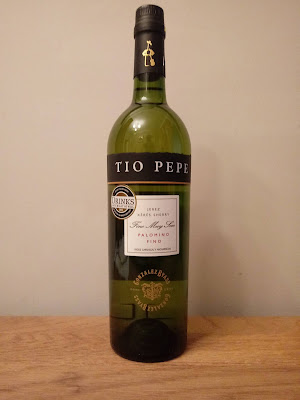
Strong And Sweet for Christmas - From The Co-op

A sherry and port from The Co-op

Personally, I can happily drink both sherry and port all year round. But Christmas is an especially good time to have a couple of bottles on hand.

Dry, tangy fino sherry is a great accompaniment to the shorts of cold-cuts, nuts, cheeses and general lunches-from-leftovers meals that are often a staple of the post-Christmas period.

With its ripe fruit, alcohol and sweetness, port is rather more of a cold-weather drink than a summery one; it has the strength to stand up to mince pies and Christmas pudding, or can just be sipped after an expansive meal in your favourite armchair.

Tio Pepe Fino (£11)

Made from palomino grapes, grown on Albariza soils, fermented to dryness, then fortified lightly for strength, placed in barrels where flor grows and imparts a distinctive tang and finally blended across years via the solera method, sherry is one of the world's great wines.

Complex, elegant and versatile, it is a great match for food; neutral and strong enough not to be overpowered.

pungent with aromatic, floral chamomile; fresh, citrussy and briney-yeasty, with melon, white stone fruit, green apple, brioche, pastry shop, salty almond-and-brazil-nut savouriness; broad, long, complex and elegant.

Good.

The classic match for fino is slices of jamon with machego and bread with olive oil; but it will match almost any collection of "assembled food" meals.

Taylor's Select Reserve Port (£10.75)

Like sherry, port is a wine that has been fortified to keep it stable on the historically long sea voyage from Iberia to England.

Traditionally foot-trodden to extract more colour, flavour and preserving tannins, it is partially fermented then fortified whilst some residual sugar remains to preserve sweetness whilst adding strength.

Ruby is the entry-level of ports, a lighter, younger-drinking wine and whilst "Reserva" historically had no official status, it now indicates a premium ruby port approved by the IVDP's tasting panel, the Câmara de Provadores.

This has everything you want from a port; fruit, spice, warmth and sweetness. It's a lot of wine for not much money. 

red, black and sour cherries, eucalyptus and oaky spice with prunes, raisins and liquorice; sweet, warming and supple with very fine, well-integrated tannins.

Thoroughly enjoyable and good value.

Sip as a digestif; drink with mince pies or chocolate and cherry torte.

---***---

Both wines are currently on special offer at the Co-op:

Tio Pepe Fino is reduced to £10 from December 1 - 14, 2021 and Taylor's Select Reserve Port is down to just £7.50 for the same period.

Tuesday, 6 July 2021

The CWB 3-Way Iberian-Atlantic-Off

Three refreshing whites from Iberia's Atlantic Coast

Iberia is, geologically speaking, a newcomer to Europe; it crashed into the continent around 100 million years ago creating rock formations known as "flysch".


The cool, damp Atlantic coast of Iberia (northern Spain plus Portugal) produces zingy, crisp wines - often from Albariño (Spanish) or Alvarinho (Portuguese). Further inland, away from the cooling breezes, it becomes riper and fuller.

Portugal's Vinho Verde is an anachronistic but delicious wine; refreshing, spritzy and low in alcohol, it is a perfect summer sipper.

Slightly further north in Rias Baixas, Albariño is made in a weightier style more reminiscent of Marlborough Sauvignon Blanc, with higher alcohol, lifted aromatics and some tannic buzz from skin contact maceration.

Vale Dos Pombos Vinho Verde, Portugal (£6 or 2 for £11, The Co-op)

Vinho Verde is a light, fresh zippy style of wine from the cool Portuguese Atlantic coast; it is a great summer sipper, barbecue wine or a match for fresh shellfish.

A blend of Arinto de Bucelas, Loureiro and Trajadura from Quinta da Lixa based in Minho.

Spritzy, with crisp apples-and-pears, tropical citrus, sherbet and white stone fruit; orange blossom, briny sea-spray and minerality.

Good and Good Value.

Serve as a spitzy aperitif on a hot day or match with fresh shellfish.

Also recommended by David Williams in The Guardian.

Terra de Asorei, Pazo Torrado Albarino, Rias Baixas, Spain, 2019 (Daniel Lambert Wines)

Imported by Daniel Lambert.

Terra de Asorei is an association of eight top growers belonging to the Rias Baixas Designation of Origin who have banded together to produce premium 100% Albariño wines.

With their own 70 Ha of Albariño vineyards they went from a family company to a professional organization producing three wonderful wines: 

The winery is located in the Salnés Valley, close to the city of Cambados, the capital of Albariño. The wine-producers provide the combination of experience and the most innovative technological abilities and their total capacity of production is up to one million bottles.

The vineyards, on average are 20 years old , which are located in the Salnés Valley, in the Rias Baixas region of Spain. One of the main tourist areas of Galicia, with a privileged climate of Atlantic influence, mild temperatures and an abundance of rainfall .

The Salnés Valley is located on the left bank of the estuary of Arousa. 

floral with ripe yellow stone fruits, honeysuckle and a waxy texture; full, supple and saline-mineral with excellent underpinnings and a long finish.

Very Good.

Match with roast white meat, such as pork belly with apple sauce and horseradish.

Paco & Lola Albariño, Rias Baixas, Spain (£12, Virgin Wines)

From the O Rosal Valley in the south of Rías Baixas.

The climate is mild, due to the Miño River and Atlantic ocean, with mineral-rich soils.

Aromatic zesty citrus, acacia, cut grass and musky melonskin; fresh stone fruit, lychees and honeysuckle with zingy grapefruit and lime; intense, mineral and persistent.

Good.

Match with strongly flavoured seafood, such as prawns and calamari with garlic, ginger and herbs, cod in a herby broth or herby-garlic cream cheese on crusty bread.


If you want more Portuguese Alvarinho, albeit in a fuller Spanish style, check out this Céu na Terra Alvarinho from Liam Steevenson's Vineyard Productions:

Tuesday, 13 April 2021

Three More Wines from Vineyard Productions

Three more wines from Vineyard Productions

For Part #1 see here.

When you start to take more than a casual interest in wine, one of the first questions is often: how do I find good wines?

Masters of Wine have some of the best-trained palates in the world, so are a reliable guide to what is considered good in wine.

You don't have to agree with them, of course - preferences are highly personal. But it's a good idea to learn the rules before you can break the rules.

These three wines from Vineyard Productions all have something of a house style or family resemblance; beyond being merely well-made and adept, they have a food-friendly mid-palate savouriness from extended lees aging.

This is not, I'm told, a Vineyard Productions identikit approach, but rather just one of tools in founder Liam Steevenson's toolkit.

Liam grew up in the wine trade and was the youngest person to qualify as a Master of Wine; with an ambition to make wine but no actual vineyards, he set up a series of partnerships with various winemakers to make small amounts of wine using their grapes.

The plan was to start with very small quantities and deliver a proof of principle; if the wine worked and sold well, he would then seek to make it in larger quantities the following year. He now makes wines all over the world from Languedoc to New Zealand via Portugal, Spain and even India.

Here is Cornwall Wine Merchant Mike Boyne of Two Bin Padstow discussing one of Liam's wines.

He also stocks 

Céu na Terra Alvarinho 2019 (around £17)

Expressive Alvarinho from the inland part of Portugal's Vinho Verde area, this is closer in style to a kiwi Sauvignon blanc; fuller bodied with some skin contact for gentle tannins and lees aging for depth, it is fresh and zippy.

It is made by Quinta de Santiago just inside the Portuguese border from grapes grown on clay (for fruit) with a mixture of Atlantic climate (for freshness) and some continental influence (for ripeness).

Aromatic and complex nose with zesty tropical fruits, lemon curd and brioche; full, supple and refreshing with lemongrass, lime marmalade and savoury, saline minerality.

Very Good.

Drinks nicely on first pouring but can be aged for several years.

Fresh enough for an aperitif, it will match with white meat and herbs: pork terrine, monkfish in broth or Moules marinière


Fincher & Co. The Dividing Line Sauvignon Blanc, 2018 (around £20)

Hand picked, straight to barrel feral ferment and left until November - then a blend selection is taken place and prepped for bottling in February

The wines shows quite dramatic funk and citrus notes with underlying exotic fruits and floral tones.

The extended time on natural lees give the wine an unexpected texture as well as a deliciously nutty character. A full bodied style of Sauvignon Blanc with a dried herbal edge, vibrant acidity and a long, persistent finish

 Herbal and citrussy with signature kiwi pungency and ripe exotic fruits; textured, mineral and crisp yet broad with a nutty complexity and a dried herbal edge. Full and supple, precise and persistent. Very clean and pure.

Very Good.

Match with grilled fish especially squid or swordfish. Dishes with herbs and greens - salmon with dill, for instance, but great with recipes that contain basil, coriander, rocket and especially mint. Salads with goats cheese and feta, asparagus, avocado or grilled red peppers, fresh tomato salads or salads with fennel, mango or papaya


El Garbi Blanco Terra Alta 2019 (around £24)

Grenache blanc from high sites in north eastern Spain near the Mediterranean coast.

Rich and textured with apricot, golden apple and sweet spice; toasted brioche, fennel and aniseed with a long lingering finish; full and supple.

Very Good.

Pairs with a diverse range of food flavours, particularly suited to richly spiced dishes especially those containing cumin. Try with chicken satay, Chinese 5-spice sea bass, tempura shrimp, lobster, Moroccan tagine, roasted pork shoulder or creamy cheeses.

Sunday, 31 January 2021

Porta Seis 2019 - The Co-op

An easy-drinking Portuguese red from The Co-op

There are some countries that you know routinely make good wines but somehow just don't know where to start or how to sum up the country.

New Zealand has Marlborough Sauvignon Blanc as its signature style (even though it does plenty of others), Chile has Carménère, Argentina has Malbec and so on.

You would, of course, be massively missing out on what these countries have to offer if that's all you knew of them, but as a starting point, for something typical and reliable to try, these are all a good place to start.

Portugal is one of those countries where it's harder to point to a particular wine, region or style as a gateway to the country. Yes, there's port and vinho verde and they are very good indeed, but they are a little ... well, niche or at least not especially versatile; port is strong and sweet, vinho verde is very light.

Despite being a small country, Portugal has varied terroirs, from Atlantic to continental, and numerous indigenous grape varieties. This complexity and variety, that is fascinating for the enthusiast, can prove daunting for the novice. You are unlikely to find a Portuguese Cab or Sauvignon Blanc, even if there are plenty of interesting Crisp Whites and Big Reds.

In an attempt to make their wines more recognisable, the Portuguese renamed the Estremadura region (not the same as Spain's similar sounding Extremadura) to Lisboa. It is a sizeable region surrounding the capital with several sub-regions.

In practice, all you need to know about this wine is that it's a well-made fruity red with plenty of ripeness.

It's also got a cute cartoon label with a picture of a distinctive Lisbon tram and a guy grilling sardines on a barbecue.

You could try learning the names of the grapes if you want (Tinta Roriz, Castelão and Touriga Nacional), but in practice, you should just treat this as a "house wine" or easy quaffer.

The other thing to know about this wine is that it almost broke one retailer's website after Susie Barrie MW recommended the wine on BBC’s Saturday Kitchen in August 2015. Within hours of the show airing, the wine had sold out, clocking up orders for a further 30,000 bottles over the rest of the weekend.

Sometimes, that can be all it takes.

Porta 6, 2019, Lisbon (£8, The Co-op) ripe forest fruits, eucalyptus, sweet spices and woodsy undergrowth; jammy blackcurrant fruit, pencil shavings; plush and viscose with a supple texture; long with good underpinnings.

Well made and thoroughly enjoyable.

Match with pepperoni pizza, barbecue sausages or burger and chips.

On special offer at the Co-op; reduced from £8 to £7 February 3rd to 23rd inclusive.

***

Also recommended by Olly Smith who makes it a Wine of the week: Porta Seis Red 2018 - Olly Smith

Also available at Majestic at the slighter higher price of £9.49 / £8.49 Mix Six: Porta 6 2018, Lisbon - Majestic Wine

Saturday, 26 December 2020

Zoom Sherry and Madeira Tasting

A tasting of two sherries and a Madeira from Cambridge Wine Merchants - with some Fitzbillies mince pies

As lockdown continues, so do our regular Zoom wine tastings with friends and neighbours: December's theme was fortified wines. One pale sherry, one dark sherry and a sweet Madeira to finish off. These are my talking points from the tasting.

Sherry and Madeira are both production method wines; like fizz, they provide more than just primary fruit flavours from the grapes and gain tertiary flavours from the production method and extended aging.

Sherry is an anglicisation of Jerez, i.e. a place. The three factors in the making of sherry are:

 - the chalky soil, called albariza which gives (the rule is chalk for elegance, clay for fruit)
- the Palomino grape 
- Flor, a yeast 

Sherry is blended in a solera system; this wasn't always the case and was brought in as a practice to improve consistency as demand for sherry increased in the 1800s.

Fino and Manzanilla are aged for up to 6 years under flor; darker sherries will be older as they will have further aging in contact with oxygen.


Manzanilla Solear, Barbadillo 

Pale, from Sanlucar where the river Guadalquivir meets the Atlantic; with an average age of 6 years, this is very pale due to the flor keeping the wine free of oxygen; it goes through nine stages of aging and the transfer of the wine between barrels feeds the flor and oxygenates the wine.

Yeasty with camomile, smooth and even on the palate, full and long.

Barbadillo are a 7th-generation family company and the world’s leading Manzanilla producer with 500ha of vineyard in Jerez Superior, and 15 Bodegas across Sanlucar de Barrameda collectively containing 30,000 sherry butts.

The company is based around San Lucar, where the river meets the Atlantic Ocean; its vineyards are located inland where the climate is drier and there are fewer vineyard pests, meaning higher quality fruit. Flor is very delicate and needs just the right conditions to thrive; specifically cool, damp, fresh air. 

The flor grows thickest in one particular bodega located at the bend of the Guadalquivir, where the river is narrowest and the breezes blow cool, damp air into windows cut into the side of the bodega facing the sea.

The company has 16 bodegas and each sherry butt is moved to a specific bodega at different points during its aging process. The design of the bodega is equally important to the development of the flor with a high roof and the barrels stored only three-high as further up the air becomes too warm and dry (pro-tip: finos can be stacked up to five-high as they have less flor influence).

Match with tapas such as bread and olive oil, jamon iberico and olives.


Amontillado Vina AB, Gonzalez Byass 

The company was founded in 1835 by a failed banker and potato-farmer named Gonzalez who named the sherry after his Uncle Joe ("Tio Pepe" in Spanish).

Byass was the name of the importer tasked with selling the first barrels to make their way over to the UK.

An early adopter of the solera system for blending and aging sherries, the company remains family-owned to this day. 

10 year-old AB Amontillado is a darker style of sherry which has partially oxidised due to the flor dying off and allowing the air to come into contact with the wine; pale gold / straw colour with more flavour from the wood of the solera.

Match with roasted almonds, hard yellow cheese or anything from list by Fiona Beckett: The best pairings for amontillado and palo cortado sherry | Matching Food & Wine (matchingfoodandwine.com)


Blandy's 10yo Bual, Madeira

Madeira is a small, volcanic sub-tropical island in the Atlantic just of the north African coast. It was a stopping-over point for Portuguese explorers; casks of wine used as ballast and the equator twice, pasteurises & cooks the wine.

The defining flavours of Madeira are a biting acidity and complex, aged aromas of old leather, roasted spices and nuts, and rich fruitcake.

Madeira is exposed to heat and air in large barrels which "cooks" the wine over many years to bring about these oxidative aromas. 

The high acidity in Madeira is due to the acidic volcanic soils, fertilisation and irrigation of the vines which leads to high yields and high acidity, plus high humidity and a year-round temperature of 20C-25C.


Styles are defined by the grape variety used:

- Sercial: grown on the highest vineyards (600m-700m+), this is the driest style; match with consomme
- Verdelho: semi-dry from slightly lower down; match with cheeses
- Bual: sweet from lower down, a dessert by itself
- Malvasia / Malmsay: the sweetest form the lowest vineyards.

Canteiro is the style of heating with no artificial heating; the wines is moved around the Madeira lodges in central Funchal (hottest at the top)

Madeira, being fully oxidised in its creation, can last forever - it is a wine to buy for your children and grandchildren - once opened, a bottle will not spoil.

Madeira must be aged for a minimum of three years, but often for much longer.

Blended Madeira is a blend of ages - 3, 5, 10, 15, 20, 30 and 40 years are the standards. Confusingly, these reflect neither a minimum nor an average age, but a style - as defined and verified by the Madeira Wine Institute.

This feels like something from a different, less literal age, from a time when people wrote "here be dragons" at the edges of their maps.


Bual is the second sweetest style of Madeira in which "10 years" is a style indicator rather than having any relationship with time; on this basis, Madeira is the "Big Bang" of wine styles in which the concept of time breaks down and has no meaning.

Chris Blandy, CEO of Blandy's, says that the wine side of the business is the smallest financially but where his emotional interest lies. Madeira was once the wine of kings and conquest, victories and celebrations but is now little more than a footnote in the public consciousness of fortified wine.

Blandy's is the largest producer of Madeira and Chris does not see the wine as ever regaining its former position; there is not the volume of vineyards and getting there would be too expensive, so he focuses instead on developing Madeira as a niche, hand-sold product, on pricing rather than volume.

Bual is matches well with sweet foods such as Christmas pudding and, yes, Fitzbillies mince pies.

Key differences between sherry and Madeira

Sherry is fortified after fermentation; Madeira, like port, is fortified during fermentation.

As a result of this, sherry is inherently completely dry (to be sweet, it has to have some sweet wine added separately), whereas Madeira and port always retain some residual sugar.

Fortification is the adding of spirit and was done historically to make the wine more stable (e.g. for its sea voyage to Britain, the Americas or India)

For port, the sweetness is needed to retain balance with the tannic bitterness of foot-trodden red grapes. For Madeira, the sweetness offsets the high acidity. For sherry, sweetness is added where the wine has developed bitter roasted flavours from exposure to air (darker styles) or where a sweet wine style is desired.

Monday, 14 December 2020

The CWB Ruby Port-off

Two ruby ports

Ruby is the entry-level port style, the most approachable, affordable, youngest and easiest-drinking. It does not have a vintage (i.e. it is not from a specified year), but is generally aged for 2 - 3 years before being bottled.

While vintage and tawny ports need decades to mature, ruby is a wine for drinking young rather than laying down.

The grapes for all types of port, usually a mixture of indigenous Portuguese varieties with thick skins that can withstand the heat, are grown in the Douro valley and trodden by foot in lagares to gently extra colour and flavour. Part-way through fermentation, neutral spirit is added, taking the alcohol level up to around 20% and retaining plenty of unfermented sugar for sweetness.

The wines will then be separated into those intended for long aging as vintage or tawny ports and those for drinking young as ruby, Regardless of the final style, all port is strong and sweet; ruby's characteristics are fresh, fruity, youthfulness.

Port is one of the great wines of the world. And yet it is somewhat falling out of fashion, along with other sweet-yet-complex wines like Madeira, sherry and German Riesling. This makes it so much a better bargain for those of us who do appreciate it.

It is not just a Christmas wine, but Christmas is a great time to drink port.

With flavours of ripe dark fruits and spices, ruby works best with cherry and chocolate torte or Christmas pudding. Or just keep a bottle on the go for after-dinner sipping.

If you want an introduction to the ruby style or just a good bottle of something sweet, complex and inexpensive, the Taylor's is a benchmark ruby and especially good value whilst on special offer at the Co-op (until 1 January, 2021)

For the bargain-hunting wine geek who appreciates the mellow harmoniousness that only aging can bring, the Lagarada is an interesting curio; a bin-end from Oakley Wine Agencies in Colchester with around a 50% discount, it is mature in a way that ruby port is perhaps not intended to be. But all the more interesting for it.

Taylor's Select Reserve Port (£10.75, The Co-op) a blend of tinta çao, touriga nacional, touriga francesa, tinta barroca and tinta amarela; ripe, up-front black fruits, liquorice, cherries and vanilla spice with eucalyptus; warming figs and raisins with cinnamon and cocoa; fresh, supple, substantial and long.

Good.

Barao de Vilar, Lagarada Ruby Port (bin-end from Oakley Wine Agencies, also at TJ Wines) lifted, dried red and black fruits, minty eucalyptus and aromatic roasted spices; fresh, supple, complex, substantial and harmonious. Being a bin-end, there is now a little bricking of the colour, the flavours are more evolved and the tannins are mellowing.

Good.

Friday, 10 July 2020

Mola Touro Blend, Aldi

An enjoyable and good value Portuguese red from Aldi

MOLA Portuguese Touro Blend

With little prospect of a European driving holiday to replenish my wine stocks this summer, my lockdown routine has become:

- local indies for interesting wines
- discounters for inexpensive quaffers

This Portuguese red from Aldi was recommended by IWC Chairman Charles Metcalfe in this video here.

All you really need to know is that it is very enjoyable indeed - and it gets better with some air.

If you really want a bit of technical info, it is from the Península de Setúbal and is a blend of the indigenous Touriga Nacional and Aragones with the international Syrah (which does well in Portugal).

MOLA Portuguese Touro Blend, 2018 (£5.49, Aldi) red fruits, black cherries, blackcurrants, plums, spice and porty eucalyptus; fruit-forward, full and fresh with rounded, well-integrated tannins; very well-made and very adept.

Thoroughly enjoyable and Good Value.

An easy drinker, it works well for picnics and barbecues - think burgers in buns and spicy sausages

It also comes recommended by Brian Elliott: https://midweekwines.co.uk/undiscovered-portugal/

Thursday, 19 March 2020

M&S Port Decanter 50cl 20%

An enjoyable, textbook ruby port from M&S

This is a basic ruby port, thoroughly pleasant and very typical with nothing not to like here - a good entry-level example.

M&S Port Decanter 50cl (NV) cherries, spice and eucalyptus with the warming sweetness of fruitcake. Fresh and harmonious.

Thoroughly enjoyable.

Sip as an after-dinner drink or match with chocolate and cherry torte.

Monday, 2 March 2020

Estrada Douro White 2019 - The Co-op

A new Portuguese white from The Co-op

With hundreds of native varieties and varied terroirs, Portugal produces a huge range of wines.

This new Estrada Douro White is intended to be reminiscent of the Portuguese wines enjoyed by the growing number of British holidaymakers travelling to Portugal each year.

It also adds to the Co-op's range of green, organic, sustainably-sourced wines, made in harmony with the environment, adopting eco-friendly practices across its vineyards from minimalizing water wastage to reducing carbon emission through sustainable viticulture methods.

The Douro is known most for port and, increasingly, red wines; whites are something of a novelty - over here at least.

Estrada Douro White 2019 (£8, The Co-op) crisp, fresh and floral, it is a thirst-quencher with citrus, orchard fruit and minerality.

Improves with some aeration.

A versatile food wine, match with seafood or peri peri dishes.

Tuesday, 4 February 2020

Heranca Late Bottled Vintage Port 2012

An LBV port from Taylor's, exclusive to Virgin Wines

LBV is a vintage port, i.e. made with grapes from a single year, that is aged in wood for several years before release.

This means that it matures more quickly than vintage port and so is ready for earlier drinking; while vintage port can mature for decades, LBV is intended to be ready for drinking on release at between four and six years from the vintage.

This Heranca LBV, however, is eight years from vintage and still very youthful; it benefits from extensive aeration and feels some years off its peak. There's nothing not to like now, it's just there will be more to love if you can hold on to it for a while.

Heranca Late Bottled Vintage Port 2012 (£14.99, Virgin Wines) rich, warm and spicy with vine fruits, prunes and figs plus classic porty eucalptus and sweet spice; dense, concentrated and viscose with a firm muscular core.

Improves with aeration and will age further.

Good.

Match with chocolate-and-cherry torte or drink as an after-dinner digestif.

It also gets a nod from the Independent: https://www.independent.co.uk/extras/indybest/food-drink/wine/best-ports-wine-9788055.html

Tuesday, 10 December 2019

Twelfth Night Wines for Christmas from Virgin

Three subversive wines for Christmas wines from Virgin - and two superior standards

My general rule-of-thumb at Christmas is not to try anything too different - keep to stuff you like and maybe spend a bit more on a slightly better version; Bordeaux from a smarter appellation and a superior vintage, say, or Grand Cru Chablis rather than Petit Chablis.

But what's the point of Christmas if you can't break a few rule and have some fun? So here are three wines from Virgin that, like Twelfth Night when everything gets turned upside down and all the rules are reversed, will both subvert your expectations and entertain in equal measure

Chiarli Medaglie Lambrusco Grasparossa di Castelvetro DOC 2018 (£11.99) get the party started with some red fizz. Lambrusco has a bit of historic baggage in this country, but done properly this light sparkling red from Emilia Romagna matches brilliantly with local parma ham, parmesan cheese and balsamic vinegar. Or just serve it lightly chilled as a pick-me-up.

Schnaitmann Simonroth Lemberger 2016 (£24.99) Lemberger, aka Blaufraenkisch, is the great black grape of central Europe and shows great versatility. In milder climates, it is cherry-fruited and elegant, a lighter, fresher yet serious red that rivals Pinot Noir and Nebbiolo. As with this wine from southern Germany, warmer temperatures bring something more akin to Bordeaux with deeper colour, plumper fruit and more tannins.

Solevari Reserve Feteasca Neagra 2017 (£12.99) Romania makes wonderful wines from international varieties, but Feteasca Neagra is its signature red variety - plump, supple and spicily dark-fruited, it matches brilliantly with steak or rare roast beef. Serve as an alternative to a Rhone or a northern Italian red.

And if you want to keep it straightforward and conventional, here are two superior classic wines:

De Martino Niebla Casablanca Sauvignon Blanc 2019 (£13.99) De Martino is one of the pioneering wineries of Chile, making subtle, nuanced wines in an elegant food-friendly European style. This is a single vineyard Sauvignon from the cool, foggy Casablanca Valley. Drink this with smoked salmon on Boxing Day.

Heranca Late Bottled Vintage Port 2012 (£14.99) with figgy, raisiny flavours and a warming sweetness, port is synonymous with Christmas. Best served with mince pies, a crackling fire and the Queen's Speech, LBV is a vintage port that is aged in barrel for several years and is ready to drink without further aging. If you manage not to finish it off all at once, drink it on Boxing day with a plate of cheeses or a chocolate-and-cherry torte.

Friday, 22 November 2019

Taylor's Select Reserve Port - The Co-op

A warming winter fortified wine from The Co-op

If autumn starts with your first Big Spicy Red of the season, then port ushers in Christmas.

Port comes in various guises and this Taylor's Select Reserve is a good example of the most common style for everyday drinking.

It has everything you want from a port; fruit, spice, warmth and sweetness. It's a lot of port for not much money.

Taylor’s Select Reserve Port (£7.00 in E&W, £7.50 in S, from 6 November to 2 January, The Co-op) red, black and sour cherries, eucalyptus and oaky spice with prunes, raisins and liquorice; sweet, warming and supple with very fine, well-integrated tannins.

Thoroughly enjoyable and good value.

Sip as a digestif; drink with mince pies or chocolate and cherry torte.

Thursday, 7 November 2019

Andresen LBV Port

An LBV Port from Andresen via Laithwaite's

LBV is the impatient drinker's vintage port - it is a vintage port, as in being from a single year and not blended across years. However, unlike actual vintage port, LBV (late-bottled vintage) is aged in wood for several years and then bottled as a ready-to-drink port.

Vintage port, by contrast, goes straight into bottle and generally requires years, if not decades, of quiet maturing (and often a lot of decanting to remove sediment) before being ready to drink.

LBV has the plumpness and primary fruit of youth, the richness and sweetness of port and if it is not as complex as a vintage port, it is a step-up from a basic ruby.

I'm generally not a fan of Laithwaite's wines, but I found myself appreciating this; you can probably get better ports for less elsewhere, but there is no reason to avoid this one. It has an IWSC Bronze medal, which roughly translates as "perfectly fine with no rough edges, but nothing really special".

Andresen LBV port 2011 (£16.99, Laithwaite's) sweet, ripe red and black cherry fruit, dark plum and cassis, oaky vanilla spice, eucalytpus and warming alcohol. Full, concentrated and expressive; fresh with very fine tannins.

Thoroughly enjoyable.

Drink as a digestif; match with dark chocolate, mince pies or Christmas pudding.

Thursday, 12 September 2019

Two Wines from Portugal

Two elegant, stylish and good value wines from Portugal - Manz and Quinta da Romaneira 

Portugal does not so much have a quality problem as an image problem; when I think of Portuguese wine, I'm not really sure what it stands for.

There's port - of course - in all its wonderful guises. And Vinho Verde, the light, fresh, Atlantic wine.

But with numerous regions, climates and terroirs, hundreds of native grape varieties and a history of somewhat rustic methods, it's hard to fix on something and say "That is typical Portugal!" in the way you think of kiwi Sauvignon, Aussia Shiraz or Argentinean Malbec.

Every time I taste Portuguese table wines, I generally find them to be well-made, elegant and balanced. But I am still searching for that one, single, defining thing that makes them typically Portuguese.

These two wines prove to be typically modern Portuguese - made from native grapes with a clean, pure elegance.

They are also great value for the price; the flipside of Portugal's lack of a strong identity is that the good wines do not command the same premiums as better-known wine regions. As a reference point for the Jampal, think of a white Burgundy; the red blend has the structure and sophistication of a Bordeaux.

Manz Dona Fátima Jampal 2017 (£16.50, Oddbins) made from the rare, revived grape Jampal; floral with ripe exotic fruits, citrus, saline minerality and buttery, oatmealy, nutty spice. Fresh, pure and very adept with a Burgundian elegance.

Very Good and good value.

A versatile wine, match with fish, vegetables dishes, creamy pasta or white meats.

Sino da Romaneira (£15.95, Lea & Sandman) a table wine made from a blend of port grapes by Christian Seely; dark, plummy fruit, garrigue herbs, fresh with a mineral backbone and fine tannins. Very elegant.

Very Good and good value.

Match with red meat, especially darker game.

Thursday, 15 August 2019

Rocksand Shiraz 2017 - Laithwaites

A Portuguese Shiraz from Laithwaites

I'm not quite sure what to make of this Shiraz from Laithwaites; my sister declared that she does not like Shiraz, so we opened a Bordeaux with her instead (that I rather liked) and had this one later on.

I'll admit, I was intrigued by the bottle shape; a sign of the winemaker's quirkiness and ambition.

The label aesthetic is New World evoking Australia, but look closer and the wine is actually Portuguese; Shiraz / Syrah does well in Portugal, even though the country has plenty of native grapes to explore.

For most of the bottle it was fresh and well-balanced; but then towards the end, a heaviness of started to become more apparent.

Rocksand Shiraz 2017, Vinho Regional Península de Setubal (£9.99, Laithwaites) ripe dark-berry fruit, spice and balanced freshness; supple with fine tannins. Generous extraction levels become more apparent over time.

Match with red meat.

Monday, 27 May 2019

Three Laithwaites Wines

A(nother) mixed bag of wines from Laithwaites

A bank holiday weekend meant a trip up to my parents'.

Over the course of three days, we ate, drank and caught up with each other over various meals. The kids had put in a special request for fish and chips and a curry and there were home-cooked meals as well, so we ended up trying quite a range of drinks.

Some were better than others.

Mum has a fondness for Laithwaites wines that I've never quite understood; Dad's generally happy with whatever's put in his glass.

I have to confess to a certain amount of eye-rolling about Laithwaites wines - they are usually not terrible, just rather dull. in that sense, they conform to Rory Sutherland's definition of a brand as being a guarantee of non-crapness.

My complaint is not so much that the wines are mediocre (they are) or that they are oversold (they are) or overpriced (they are). No, it's the whiff of dishonesty that irks; the slight-of-hand, the knowing-yet-confidential references, the casual mentions of high-priced / high-scoring wines, the almost-religious belief in the most tenuous of connections.


I know that Laithwaites are wine sellers, not wine educators, but telling your audience that mediocre wines are great wines just seems a bit ... wrong.


Domaine Bisconte 2017, Cotes du Roussillon AOC (£12.99 plus delivery) the best of the three and highest rated by Laithwaites customers (4.3/5); dark fruits, garrigue herbs and spice; fresh and mineral with very fine tannins. Deft, harmonious and accomplished.

Good.

Match with roast red meat or darker game.

Viña Tarapacá Malbec Shiraz 2018 (£10.49 plus delivery) gets a lowly 3.0/5 from Laithwaites customers; confected and jammy, aiming for a bigger-is-better style.

Underwhelming.

Castelo do Vinteiro 2016, Douro DOC (£10.49 plus delivery) voted 3.5/5; dark berry fruit and fine tannins; on the plus side, it's fresh and balanced.

Pretty ordinary.

Tuesday, 8 January 2019

Taylor's Quinta de Vargellas 2004 Port

A vintage port from Taylor's at just over a decade from the Co-op

Of all the great classic wine styles, port is perhaps the easiest to enjoy with its primary fruit and pleasing sweetness.

Vintage port is for conoisseurs and / or geeks; it is the greatest style of port, has the greatest capacity for aging and takes the longest time to be ready.

Vintages are declared only when the year is considered good enough and the lifespan of a vintage port is measured in decades.

So at 14 years, this 2004 is no longer a baby and more of an adolescent, showing signs of what it has the potential to become; the fruit is still primary, but the individual components of the wine (strength, fruit, sweetness and grip) have become harmonious and mellow.

Taylor's Quinta de Vargellas 2004 (£30, reduced to £28 until 21/01/19) Black cherries, cassis and redcurrrants with eucalyptus, spices and liquorice. Intense, sweet-sour, viscous and complex. Fresh, long, harmonious and muscular with a dense core. Very fine, well-integrated tannins.

Benefits from extended aeration - and it will continue to improve for decades to come.

Very Good.

Match with chocolate desserts or drink as a digestif.

Saturday, 15 December 2018

Classic Co-op Christmas Wines

Three classy and classic wines for Christmas from The Co-op

Christmas is not a time to experiment - trying to persuade distant relatives of the merits of some obscure and strangely-made wine from central Asia does not usually go down well over a post-Christmas dinner game of tiddly winks whilst waiting for the Dr Who Special.

There is a time and a place for experimentation and a house full of family-on-best-behaviour all trying to maintain a veneer of civility to each other is not it.

So, keep it classic and classy with three well-made Old World standards from the Co-op and you can't go wrong.

Aperitif
It has to be fizz and if it has to be classy, then Champagne is your only option.

Veuve Clicquot NV Champagne (£40) elegant and classy NV Champagne

Christmas roast
Bordeaux's Medoc makes elegant and structured food-friendly wines that match perfectly with roast meats.

Château Sénéjac Cru Bourgeois (£17) distinguished Cru Bourgeois producer in the Haut-Medoc; vintage matters in Bordeaux and 2015 was a very good year; this now has just enough age to be ready for drinking

Christmas pudding, mince pies and sipping into the evening
Port is one of the world's great wines; vintage port shows cherries, eucalyptus and spice with strength, elegance and more nuance and complexity that any other style

Taylor's Quinta de Vargellas (£30) the lifetime of vintage port is measured in decades, so this 2004 is still a baby, only just ready for drinking

Sunday, 2 December 2018

Co-op Christmas - Blandy's Duke of Clarence Madeira

Blandy's sweet Madeira at The Co-op

Is your name Michael Diamond?
No mine's Clarence

- Beastie Boys, Shake Your Rump (1989)

George Plantagenet, 1st Duke of Clarence and brother of King Richard III, was drowned in a barrel of Madeira, if legend and Shakespeare are to be believed.
Madeira's history as a wine dates back many centuries - now relatively obscure, it is one of the world's great wines, due partly to its almost indestructible nature. In its heyday, it occupied a place akin to Champagne, single malt whiskey or vintage port.

This lovely, underappreciated wine is more versatile than just Christmas, but matching with mince pies and Christmas pudding is not a bad place to start if you are new to Madeira.

Duke of Clarence Madeira (£13; reduced to £11, 21 November – 29 Jan inclusive) caramel, roasted nuts, dates and figs; rich and unctuous yet all held in check by a fresh acidity. Harmonious and mellow.

Good.

Match with Christmassy treats, drink as an aperitif or an after-dinner sipper.