Popular Posts

Showing posts with label stickies. Show all posts

Thursday, 24 March 2022

Food and Wine Matching with Kindling Restaurant - White Chocolate Fudge with Dark Chocolate Crumb

A dessert recipe from Kindling Restaurant, Brighton - with some attempted wine matches

Kindling Restaurant in Brighton is about more than just the delicious food, it is a community of people: staff, customers and suppliers all sharing and celebrating local produce. Nature writes the menu as the seasons inspire the dishes. Kindling is featured in the Michelin Guide and is a member of the Sustainable Restaurants Association.


Chef Holly Taylor: credit Jo Hunt

The Food - White chocolate fudge with dark chocolate crumb 

This is Kindling’s signature petit four, but it also makes an excellent Mother’s Day gift. Sweet, creamy and soft this fudge is perfect with a cup of coffee or espresso martini.

The Wines

The fundamental rule of matching sweet foods is that the wine should always be sweeter than the food. Fudge is about as sweet and rich as desserts come, so this is a tricky match.

Cream sherry or whisky would be the traditional options but for something lighter, fresher and a little more unusual, serve the fudge in very small pieces and match with either a botrytised Riesling or an Italian red fizz. .


New Zealand dessert Riesling:

aromas of roses, orange marmalade, dried apricots and butterscotch; unctuously sweet and opulent, very concentrated and intense yet also fresh and balanced; complex botrytis flavours of beeswax, aromatic scrubland bitter herbs and hedonistic overripe peaches.

This is a very sophisticated dessert wine that stands up to the sweetness of the fudge.


Made from Brachetto grapes, this red fizz is fermented in stainless steel for freshness and aromatics, with some lees aging for complexity and just 7.4% alcohol.

intensely aromatic with roses and soft red berries; elegant soft red fruits with hints of almond and nutmeg; sweet yet refreshing; very elegant with crisp red berries and some leesy complexity

Light and moreish, the wine is not overpowered by the fudge but plays a supporting role, with the sweetness of the fudge enhancing the freshness of the wine.


The Recipe

To make the dark chocolate crumb:

30g water
125g sugar
60g dark chocolate

1. Put the water and sugar in a pan and cook to 168C, checking the temperature with a thermometer suitable for high temperatures.

2. Remove from the heat, stir in chocolate to create the soil.

3. Cool on a baking paper lined tray, then chop to a medium crumb.

To make the fudge:

500g of caster sugar
150g of glucose syrup
280g of double cream
330g of white chocolate, chopped
75g of butter


1. Line an 8 inch cake tin with non-stick paper.
2. Place the sugar, glucose syrup and double cream in a large saucepan over a medium heat. Cook whilst stirring to a temperature of 114C. Be careful not to heat the mixture too strongly because it can bubble and spit. Be patient, heat it steadily and keep stirring at all times.
3. Once the mixture is at the correct temperature, remove it from the heat and add the butter and chopped white chocolate. Stir well until everything is melted together. If the mixture is a little stiff, you might want to return it to the heat for a few seconds to ensure it is liquid enough to pour into your tin.
4. Pour the mixture into the prepared cake tin and immediately sprinkle the top with the chocolate soil.
5. Allow to cool at room temperature, then wrap the tin in clingfilm and chill overnight in the fridge.
6. The fudge is easiest to cut when cold and should be stored in an airtight container in the fridge.

Sunday, 27 February 2022

Four Dinner Party Wines from Hill-Smith Family Vineyards

Four wines from Hill-Smith for a dinner party

I've long maintained that a pre-requisite for turning a meal into an event is to add an aperitif and a dessert wine.

Amuses bouches, a cheese course and a digestif then turn that event into a memorable evening, but the key difference between mere eating vs a dining event is the extended time to talk, to catch up and swap stories over drinks that do not necessarily accompany food.

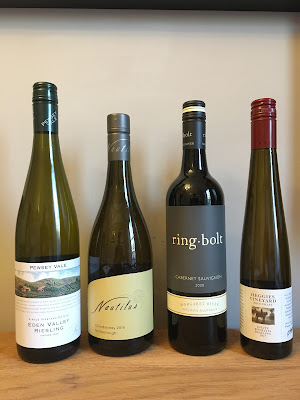
These four wines from Hill Smith make for an instant dinner party assortment; there is a lean and zippy aperitif, a complex white for starters, red for main and a luscious dessert wine.

The all have New World fruit purity with a poised, adept, balance and tension.

Hill-Smith

The Hill-Smith family for over six generations have explored and planted exceptional vineyard sites to maximise the personality of the wines they produce.

The wines are a Marlborough Chardonnay from New Zealand, a Cabernet from the Margaret River coastline and two very different Rieslings, a dry Riesling and a Botrytis from Eden Valley to celebrate International Riesling Day (13th March). 

Aperitif

Pewsey Vale Vineyard Riesling 2020 (£15.99 – £17.99, Ocado, Hennings Wine Merchants, Specialist Cellars)

In the rugged, undulating high country of Eden Valley, 250 metres above the Barossa Valley floor, lies Pewsey Vale, a vineyard dedicated to Riesling. Named after the Vale of Pewsey in Wiltshire, the UK home of Joseph Gilbert who, in 1839 emigrated to Australia and in 1847 planted a one-acre site, thus establishing Eden Valley’s first vineyard and one of Australia’s first high-altitude cool climate sites. Today, Louisa Rose oversees the winemaking.

With lean soils, rocky outcrops, and finicky microclimates, it is not an easy vineyard to manage. Louisa manages each block according to its specific needs, whilst nurturing the surrounding fauna and flora, important to the biodiversity of the vineyard to ensure the wines are consistent and reflect the terroir of Pewsey Vale.

The 2020 is a classic example, showing the distinctive, generous flavours.

white stone fruits, pineapple, line, grapefruit and melonskin; fresh and pure ripe orchard fruits, topical citrus with savouriness, slatey minerality, zesty, aromatic green herbs and a hint of kerosene. Poised, precise and linear.

Very Good.

Drinks nicely on first opening; can be cellared.

Match with fresh oysters, seared scallops, salt and pepper squid, Thai beef salad or a tomato salad with fresh basil.

Starters

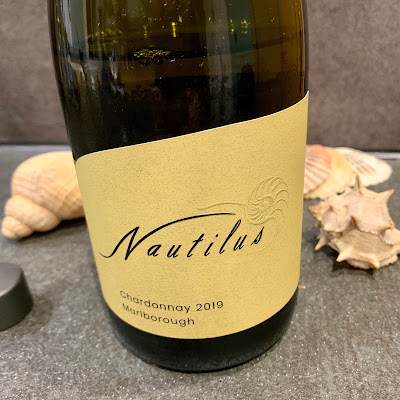
Nautilus Chardonnay 2019 (£23.99, Majestic, Specialist Cellars)

Nautilus Chardonnay is made with fruit from the Hill-Smith’s Renwick vineyard in Marlborough, New Zealand. The grapes are blended with a Burgundian clone from long-time growers and friends of the family, Jim and Debbie Greer.

In 2006, a dedicated winery was built for white wine, where every step of the winemaking process takes place. Less handling leads to better results and for this wine, the hand-picked grapes are chilled and pressed directly into barrel where it is fermented.

This hard-fought refinement of the winemaking process has led to no fining of the wine, making it vegan friendly.

Marlborough Chardonnay is known for its cool climate intensity and this one has great longevity and depth. 

orchard and yellow stone fruits, musky lime zest, white flowers and a toasty-savoury spiciness; fresh ripe peach and apricot, tropical guava, pineapple and lime marmalade; broad and savoury with toasty-oak spice, buttery-creamy oatmeal, brazil nut and a saline minerality.

Drinks nicely on first pouring and will gain complexity with cellaring.

Very Good.

A versatile food wine, match with smoked fish, coconut curries, roasted white meats, such as chicken or pork or cream-and-mushroom pasta or leek, mushroom and mustard chicken pie (try it in a pie).

Main
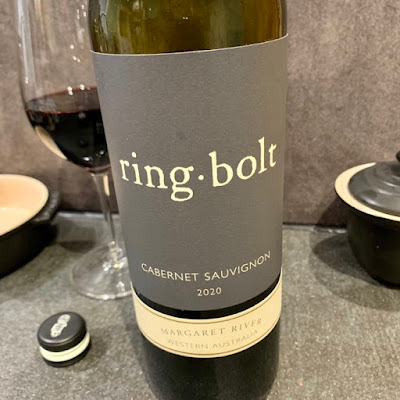
Ringbolt Cabernet Sauvignon 2020 (£10 Tesco)

A vibrant Cabernet from Australia’s Margaret River, a wine region embraced by two oceans, the Indian and the Southern; the temperate, maritime climate with high winter rainfall and sea breezes are wonderful growing conditions for Cabernet Sauvignon.

The grapes for this wine are grown on a small selection of sites with a range of aspects and soil types, and it is these variances and selective blending that provide Ringbolt with much of its complexity. 

expressive cassis, dark-berry fruits, violets and dark green herbs; blackberries, blueberries and ripe black cherry fruit with cocoa and spices; fresh, supple and savoury with ripe, rounded tannins.

Fruit-forward on first-opening, its savoury complexity becomes more apparent with aeration. Can be cellared.

Good.

Match with Angus roast beef or rosemary-and-garlic leg of lamb.

Dessert

Heggies Vineyard Estate Botrytis Riesling (Waitrose £14.99 / half bottle)


Heggies Vineyard is nestled in an idyllic place in the high country of Eden Valley at 500m above sea level. The grapes for Botrytis Riesling are grown on a gentle western facing slope, with trees providing shelter and a dam at the base of the vineyard which provides a gentle morning fog, essential for the development of the all-important Botrytis.

The grapes are selectively hand-harvested in two separate batches, the first is juicy with delicate Botrytis character, and the second develops further to give more concentration of Botrytis and flavour. 

The grapes are whole bunch pressed followed by cool fermentation to retain freshness and purity. The combination of innovative viticultural practises and its unique terroir result in a distinctive balanced wine with beautiful structure and long in flavour.

aromatic and floral with musky roasted butter peaches and sweet spices; fresh-yet overripe yellow stone fruits, pineapples pieces and orange marmalade with candied citrus peel and beeswax; rich, unctuous and complex.

Very Good.


Match with a cheeseboard, fruit tarts or roasted peaches. Also drink as an aperitif with a pâté starter.

***

Other reviews:

Joanna Simon on Nautilus Chardonnay: www.joannasimon.com 

And on the Ringbolt: www.joannasimon.com

Tom Canavan on the Pewsey Vale: Pewsey Vale, Riesling 2020 - wine-pages

Wednesday, 8 December 2021

Strong And Sweet for Christmas - From The Co-op

A sherry and port from The Co-op

Personally, I can happily drink both sherry and port all year round. But Christmas is an especially good time to have a couple of bottles on hand.

Dry, tangy fino sherry is a great accompaniment to the shorts of cold-cuts, nuts, cheeses and general lunches-from-leftovers meals that are often a staple of the post-Christmas period.

With its ripe fruit, alcohol and sweetness, port is rather more of a cold-weather drink than a summery one; it has the strength to stand up to mince pies and Christmas pudding, or can just be sipped after an expansive meal in your favourite armchair.

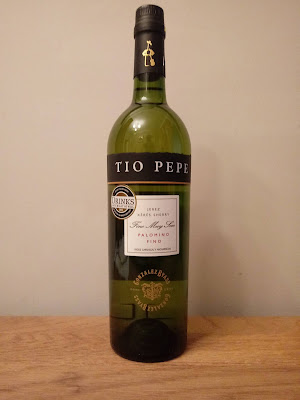
Tio Pepe Fino (£11)

Made from palomino grapes, grown on Albariza soils, fermented to dryness, then fortified lightly for strength, placed in barrels where flor grows and imparts a distinctive tang and finally blended across years via the solera method, sherry is one of the world's great wines.

Complex, elegant and versatile, it is a great match for food; neutral and strong enough not to be overpowered.

pungent with aromatic, floral chamomile; fresh, citrussy and briney-yeasty, with melon, white stone fruit, green apple, brioche, pastry shop, salty almond-and-brazil-nut savouriness; broad, long, complex and elegant.

Good.

The classic match for fino is slices of jamon with machego and bread with olive oil; but it will match almost any collection of "assembled food" meals.

Taylor's Select Reserve Port (£10.75)

Like sherry, port is a wine that has been fortified to keep it stable on the historically long sea voyage from Iberia to England.

Traditionally foot-trodden to extract more colour, flavour and preserving tannins, it is partially fermented then fortified whilst some residual sugar remains to preserve sweetness whilst adding strength.

Ruby is the entry-level of ports, a lighter, younger-drinking wine and whilst "Reserva" historically had no official status, it now indicates a premium ruby port approved by the IVDP's tasting panel, the Câmara de Provadores.

This has everything you want from a port; fruit, spice, warmth and sweetness. It's a lot of wine for not much money. 

red, black and sour cherries, eucalyptus and oaky spice with prunes, raisins and liquorice; sweet, warming and supple with very fine, well-integrated tannins.

Thoroughly enjoyable and good value.

Sip as a digestif; drink with mince pies or chocolate and cherry torte.

---***---

Both wines are currently on special offer at the Co-op:

Tio Pepe Fino is reduced to £10 from December 1 - 14, 2021 and Taylor's Select Reserve Port is down to just £7.50 for the same period.

Monday, 11 October 2021

Four Christmas Wines from Tesco

Four wines for Christmas Day from Tesco

I've long believed that Christmas Day is not a time to be experimenting with new or off-beat wines; you want something reliable and familiar and, if budgets allow, a little superior to what you might normally drink.

Moving up too many price brackets can actually be counter-productive; for where you can simply crack open and enjoy younger, fruiter wines as soon as they are poured, more ambitious bottles may need a little longer in bottle or more aeration to show their best.

Get it even slightly wrong and your showpiece wine can seem underwhelming, your guests less-than-wowed; under-aged reds reds can seem lacking in fruit and a little chewy until they have opened up; whites that need a bit of aeration can seem basic and underwhelming.

These four Tesco wines are all a step up from everyday drinking but, importantly, also show very well on first pouring. They continue to improve with some aeration but certainly don't require an extensive aging and decanting regime to become approachable.

So that's one less thing to worry about this year, then.

There's a lot to like with these four bottles - big-name wines that don't cost silly money and are easy to enjoy.

The extra-nice surprises are how inexpensive the Champagne is, the superb wine-making of the Bordeaux and the amazing value of the dessert wine.

On arrival

Tesco Finest Premier Cru Champagne Brut NV, (£21.00, vegan) 


IWSC 2021 Gold medal winner and IWC Great Value Champion Sparkling.

This multi award-winning Premier Cru Champagne is produced for Tesco by Union Champagne in Avize, from hand-harvested grapes grown in Premier Cru vineyards in the Côte des Blancs, south of Epernay. Aged for 36 months, this extra maturation results in elegant flavours of citrus, green fruits and brioche with a fine mousse.

Perfect as an aperitif or with smoked salmon crostini.

yeasty almondy brioche and bruised apple with delicate florality; citrussy, linear and and mineral with cidery, bruised orchard fruits and a complex, creamy brazil-nut savouriness; fine mousse. Poised, structured and textured.

Very Good and Good Value.


With starters

Tesco Finest Gavi (£8.50, vegetarian) 


IWC 2021 Silver medal winner This dry, elegant wine is made from premium Cortese grapes from the Gavi region in north west Italy. Part of the crop is harvested later, when grapes are riper, lending extra richness and depth to the wine. 

Its juicy white peach and citrus flavours and long smooth finish make it wonderful with food. Serve chilled with oven-baked fish or pasta dishes.

orchard fruits and white peach with delicate florality and a whiff of white pepper; citrussy, sappy and rich with stone fruits, melon some sweet spice and minerality; good underpinnings.

Good.

The Main Event

Tesco Finest Margaux (£22.00)


IWC 2021 Gold medal winner Made for Tesco by the prestigious Château Boyd Cantenac in Bordeaux's iconic Margaux region, using exceptional quality grapes from vines that are an average of 30 years old. It is a bold but well-balanced red that is rich, ripe and vibrant with complex flavours of dark fruits, cherries, spices and oak.

Serve alongside beef or vegetarian wellington.

dark cherries, bramble fruit, morello cherries, plums, spice and some dried green herbs; full, supple and fresh, with plush ripe dark fruits - cherries, plums, cassis, cool mint and a touch of oaky astringency; complex and very long with very fine, perfectly rounded tannins and a savoury, spicy graphite finish.

Very Good.

With Dessert

Tesco Finest Dessert Semillon 11.5% abv, £6.00 (vegetarian) 


IWC 2021 Silver medal winner and IWC 2021 Great Value Sweet Under £12 

This is an award-winning dessert wine from Australia’s De Bortoli family winery.

Made from late-harvested grapes which are left to ripen on the vine until their natural sugars and flavours have grown incredibly rich and intense. The result is a golden hued wine boasting a delicate concentration of citrus, peach and apricot flavours that are simultaneously sumptuous and fresh.

The perfect dessert wine to pair with Christmas pudding or blue cheese.

floral with overripe stone fruits, sweet spice and musky beeswax; sweet and rich with complex buttery roasted peaches and vanilla sugar; fresh, savoury and long.

Good and Good Value.
***

As an alternative to the Semillon, Tesco's Finest Speyside Single Malt Whisky would also be an excellent match with Christmas pudding - or just sip in your favourite armchair with the Bond film or the Queen's Speech.


Sunday, 11 July 2021

Versatile, Varied and Multi-Coloured - Bordeaux

Five Bordeaux Wines

Bordeaux was pretty much the first wine area I realised I liked. I'd had wine previously, of course, but I'd never really got to know and understand a region; it was just "wine".

A long weekend break in Bruges via northern France found us stopping off on the return home to buy a bootful of wines from a local supermarket, all chosen pretty much at random.

It set a pattern that I have repeated for decades ever since: go to France and buy lots of lovely inexpensive wines based on what looks best from the local the area of wherever we happen to be.

The northern Pas-de-Calais region is not a wine-producing area, so the supermarket shelves there were mostly full of plentiful wines from the larger, better-known regions regions.

I had previously regarded Bordeaux as being all about exorbitantly-priced reds. What I found once I started opening up the various bottles we brought back was something completely different; inexpensive wines that were vibrant and fresh with plenty of stuffing. Sophisticated, yet accessible and easy to enjoy.

And Bordeaux is not just red wines, either; these days, there's rosé and fizz as well as whites, both dry and sweet. Far from monolithic, Bordeaux is pretty much all things to all occasions; there are very few situations it cannot cater for.

If the region's wines share a common trait, it is that they go well with food and have an ability to age, meaning that they often improve with a bit of air.

If you are used to ripe, fruit-forward New World wines that drink easily on first opening, you will find the fruit on  Bordeaux often emerges more noticeably after an hour or two in the decanter.

Here are five mid-range Bordeaux wines that showcase the variety and versatility of the region.

Comtesse de Saint-Pey Brut NV, Crémant de Bordeaux (£14, L’ami Jac)

Bordeaux fizz has the complexity of traditional method sparklers with the ripe fruit of a warmer, more southerly region; a price tag somewhere below Champagne just makes it better value.

Sémillon / Cabernet Franc blend.

orchard fruits, fresh citrus, florality and white pepper; ripe pear, white peach and honeysuckle with some biscuity leesiness; fine mousse and a savoury persistence.

Good.

Serve as an aperitif or match with sushi, seafood or other light starters.

Château Haut Rian, 2019 Bordeaux Rosé (£13, Harvey Nichols)

Merlot / Cabernet Sauvignon blend.

red fruits, cranberry and wild strawberry with fresh mint, grapefruit zest, white pepper and minerality. Pure and adept with good savoury underpinnings.

Good.

Match with picnic foods, salmon or shellfish.

L'Emigré Blanc 2020, Graves (£14.99, Virgin Wines)

From the Graves sub-region south east of Bordeaux, named for its gravelly soils; the wine is organic and sees a little of oak.

aromatic with white pepper and tropical fruits; intensely mineral and leesy with grapefruit, elderflower, lime kaffir and racy acidity; weighty, concentrated and long.

Very Good.

Demands food; match with salmon carpaccio or baked goat's cheese tarts.

Château Monconseil-Gazin 2018, Blaye Côtes de Bordeaux (£9.75, The Wine Society)

Merlot / Cabernet Sauvignon / Malbec blend from Blaye, just across the river from the Médoc.

forest fruits, plums, cherries and raspberries with sous bois earthiness and spice; fruit-forward and approachable; fresh, supple and easy-drinking with ripe, gentle-yet-firm tannins.

Good.

An easy-drinker, match with pizza, herby sausages, burgers or roast chicken.

SO Sauternes, Bastor-Lamontagne (£9.99, 37.5cl, Waitrose)

Botrytised dessert wine from Sauternes.

roasted buttery peaches with vanilla sugar, honeysuckle, beeswax and orange blossom; sweet, waxy and viscous with apricotty-peachy sweetness, sweet spices, ginger and tropical citrus freshness. Long, savoury and complex. And utterly delicious.

Very Good and Good Value.

Pour as an apéritif with tapas, or later in the meal with cheese and sweet puddings.

******

Further reviews:

Finding value-for-money in Bordeaux 2020 by Liz Gabay: Finding value-for-money in Bordeaux 2020 - Elizabeth Gabay MW


Saturday, 10 July 2021

The CWB French Sticky-Off

Two dessert wines from France - Waitrose and Daniel Lambert / The Wine Society

I have always loved dessert wines; I can't quite say why, but I have always had a sweet tooth. Maybe it's my '70s upbringing. Or just a preference for the sweeter things in life.

But it's not mere sweetness; I also like umami (aka "savouriness") and a bit of freshness in the mix, too.

The best dessert wines walk a tightrope of sweet, fresh and savoury - with a touch of complex bitterness added in.

One region, one grape and one phenomenon dominate here: botrytised Semillon from the Bordeaux sub-region of Sauternes. Nobly-rotten grapes are expensive to produce and expensive to vinify, yet relatively inexpensive to buy due to being largely unfashionable.

Sweet wines are Bordeaux's secret wine hiding in plain sight; delicious, fresh and complex, most command nothing like the premium of their illustrious red wine counterparts.

The best sweet wines of Sauternes are a dessert in their own right and need minimal food accompaniment; a Crème brûlée or blue cheese is often the best match.

Elsewhere in South West France, Petit Manseng also makes delicious dessert wines in Jurancon: it is aromatic with high sweetness and high, natural acidity and complex candied fruit, with exotic flavours.

Domaine Cabidos, Petit Manseng Doux, Jurancon 2015 (£9.95, The Wine Society, independents)

For bragging rights, Domaine du Chateau de Cabidos Petit Manseng Doux is the only known* 100% Petit Manseng dessert wine; it comes from a family producer in the foothills of the Pyrenees.

What's more, Tim Atkin MW puts Petit Manseng in his list of world-class white grapes.

Beeswax, roasted stone fruits, honeysuckle and sweet spices; fresh and juicy with tropical fruits, pineapple, candied fruit, honey and overripe peaches; with high acidity, it finishes almost dry despite the sweetness. 

Very Good and Good Value.

Serve as an aperitif or match with a fruit cheesecake or blue cheese.

Also consider sea-food such as scallops and lobster, and all white meat, for example turkey with cranberry sauce. It also goes well with aged hard ewe’s milk cheese.

SO Sauternes, Bastor-Lamontagne (£9.99, 37.5cl, Waitrose) 

An organic sweet wine that shows off its straw-gold colour beautifully 

Aromas of roasted buttery peaches with vanilla sugar, honeysuckle, beeswax and orange blossom; sweet, waxy and viscous with apricotty-peachy sweetness, sweet spices, ginger and tropical citrus freshness. Long, savoury and complex. And utterly delicious.

Very Good and Good Value.

Pour as an apéritif with tapas, or later in the meal with cheese and sweet puddings.


*****

Update 11/07/21: several people contacted me to let me know that various other wineries make a varietal Petit Manseng dessert wine:


***** 


The viticultural domaine of the Château of Cabidos is family owned and consists of twenty acres located just below the village of Cabidos, in the north of the Béarn, near the famous slopes of Jurançon in south-western France.

The family wine business was revived by Isabelle de Nazelle in 1992 and developed by her son Vivien, with his wife Maleine and brother Edouard, together with Jean-Michel Novelle, a Swiss oenologist of international renown. In 2002, an air-conditioned cellar was built to ensure the wine was properly stored and in 2007, Mrs. Méo Sakorn-Sériès became the Maitre de Chai, or Cellar Master, who is the person responsible for making and ageing the wine.

Méo Sakorn-Sériès is unique in being the only Thai woman to be a director of a vineyard and winery in the whole of France. In 2015, new owners acquired Château de Cabidos with the aim of continuing its legacy and traditions and producing more of its exceptionally prized wines.

The Petit Manseng grape, which comes from the Pyrenean region of France, is the predominant variety occupying 16 acres of our vineyards, and produces both sweet and dry white wines. The vineyard also has an acre of Chardonnay and an acre of Sauvignon, which work well as a dry blend. The fourth grape is Syrah grown on 2 acres to produce our red wine.

It is so popular that we have been gradually increasing the acreage. Petit Manseng is a grape that ripens late in the season and is particularly well suited for the production of great, sweet wines. It is an aromatic variety, which is distinguished in its youth by notes of peach, citrus and medlar, with a hint of cinnamon.

It is remarkable for its ability to concentrate the sugar in the berries during maturation, whilst maintaining a high, natural acidity. It is an ideal grape for the climate in the Béarn because we are blessed with long, sunny autumns that allow ‘passerillage’. That is to say, the grapes can dry naturally on the vine, which gives them a high sugar concentration and the development of complex aromas of candied fruit, ideal for exquisite sweet wines.

It has very exotic flavours, such as pineapple and mango, and with time the wine reveals aromas of white truffles.

Saturday, 26 December 2020

Zoom Sherry and Madeira Tasting

A tasting of two sherries and a Madeira from Cambridge Wine Merchants - with some Fitzbillies mince pies

As lockdown continues, so do our regular Zoom wine tastings with friends and neighbours: December's theme was fortified wines. One pale sherry, one dark sherry and a sweet Madeira to finish off. These are my talking points from the tasting.

Sherry and Madeira are both production method wines; like fizz, they provide more than just primary fruit flavours from the grapes and gain tertiary flavours from the production method and extended aging.

Sherry is an anglicisation of Jerez, i.e. a place. The three factors in the making of sherry are:

 - the chalky soil, called albariza which gives (the rule is chalk for elegance, clay for fruit)
- the Palomino grape 
- Flor, a yeast 

Sherry is blended in a solera system; this wasn't always the case and was brought in as a practice to improve consistency as demand for sherry increased in the 1800s.

Fino and Manzanilla are aged for up to 6 years under flor; darker sherries will be older as they will have further aging in contact with oxygen.


Manzanilla Solear, Barbadillo 

Pale, from Sanlucar where the river Guadalquivir meets the Atlantic; with an average age of 6 years, this is very pale due to the flor keeping the wine free of oxygen; it goes through nine stages of aging and the transfer of the wine between barrels feeds the flor and oxygenates the wine.

Yeasty with camomile, smooth and even on the palate, full and long.

Barbadillo are a 7th-generation family company and the world’s leading Manzanilla producer with 500ha of vineyard in Jerez Superior, and 15 Bodegas across Sanlucar de Barrameda collectively containing 30,000 sherry butts.

The company is based around San Lucar, where the river meets the Atlantic Ocean; its vineyards are located inland where the climate is drier and there are fewer vineyard pests, meaning higher quality fruit. Flor is very delicate and needs just the right conditions to thrive; specifically cool, damp, fresh air. 

The flor grows thickest in one particular bodega located at the bend of the Guadalquivir, where the river is narrowest and the breezes blow cool, damp air into windows cut into the side of the bodega facing the sea.

The company has 16 bodegas and each sherry butt is moved to a specific bodega at different points during its aging process. The design of the bodega is equally important to the development of the flor with a high roof and the barrels stored only three-high as further up the air becomes too warm and dry (pro-tip: finos can be stacked up to five-high as they have less flor influence).

Match with tapas such as bread and olive oil, jamon iberico and olives.


Amontillado Vina AB, Gonzalez Byass 

The company was founded in 1835 by a failed banker and potato-farmer named Gonzalez who named the sherry after his Uncle Joe ("Tio Pepe" in Spanish).

Byass was the name of the importer tasked with selling the first barrels to make their way over to the UK.

An early adopter of the solera system for blending and aging sherries, the company remains family-owned to this day. 

10 year-old AB Amontillado is a darker style of sherry which has partially oxidised due to the flor dying off and allowing the air to come into contact with the wine; pale gold / straw colour with more flavour from the wood of the solera.

Match with roasted almonds, hard yellow cheese or anything from list by Fiona Beckett: The best pairings for amontillado and palo cortado sherry | Matching Food & Wine (matchingfoodandwine.com)


Blandy's 10yo Bual, Madeira

Madeira is a small, volcanic sub-tropical island in the Atlantic just of the north African coast. It was a stopping-over point for Portuguese explorers; casks of wine used as ballast and the equator twice, pasteurises & cooks the wine.

The defining flavours of Madeira are a biting acidity and complex, aged aromas of old leather, roasted spices and nuts, and rich fruitcake.

Madeira is exposed to heat and air in large barrels which "cooks" the wine over many years to bring about these oxidative aromas. 

The high acidity in Madeira is due to the acidic volcanic soils, fertilisation and irrigation of the vines which leads to high yields and high acidity, plus high humidity and a year-round temperature of 20C-25C.


Styles are defined by the grape variety used:

- Sercial: grown on the highest vineyards (600m-700m+), this is the driest style; match with consomme
- Verdelho: semi-dry from slightly lower down; match with cheeses
- Bual: sweet from lower down, a dessert by itself
- Malvasia / Malmsay: the sweetest form the lowest vineyards.

Canteiro is the style of heating with no artificial heating; the wines is moved around the Madeira lodges in central Funchal (hottest at the top)

Madeira, being fully oxidised in its creation, can last forever - it is a wine to buy for your children and grandchildren - once opened, a bottle will not spoil.

Madeira must be aged for a minimum of three years, but often for much longer.

Blended Madeira is a blend of ages - 3, 5, 10, 15, 20, 30 and 40 years are the standards. Confusingly, these reflect neither a minimum nor an average age, but a style - as defined and verified by the Madeira Wine Institute.

This feels like something from a different, less literal age, from a time when people wrote "here be dragons" at the edges of their maps.


Bual is the second sweetest style of Madeira in which "10 years" is a style indicator rather than having any relationship with time; on this basis, Madeira is the "Big Bang" of wine styles in which the concept of time breaks down and has no meaning.

Chris Blandy, CEO of Blandy's, says that the wine side of the business is the smallest financially but where his emotional interest lies. Madeira was once the wine of kings and conquest, victories and celebrations but is now little more than a footnote in the public consciousness of fortified wine.

Blandy's is the largest producer of Madeira and Chris does not see the wine as ever regaining its former position; there is not the volume of vineyards and getting there would be too expensive, so he focuses instead on developing Madeira as a niche, hand-sold product, on pricing rather than volume.

Bual is matches well with sweet foods such as Christmas pudding and, yes, Fitzbillies mince pies.

Key differences between sherry and Madeira

Sherry is fortified after fermentation; Madeira, like port, is fortified during fermentation.

As a result of this, sherry is inherently completely dry (to be sweet, it has to have some sweet wine added separately), whereas Madeira and port always retain some residual sugar.

Fortification is the adding of spirit and was done historically to make the wine more stable (e.g. for its sea voyage to Britain, the Americas or India)

For port, the sweetness is needed to retain balance with the tannic bitterness of foot-trodden red grapes. For Madeira, the sweetness offsets the high acidity. For sherry, sweetness is added where the wine has developed bitter roasted flavours from exposure to air (darker styles) or where a sweet wine style is desired.

Monday, 14 December 2020

The CWB Ruby Port-off

Two ruby ports

Ruby is the entry-level port style, the most approachable, affordable, youngest and easiest-drinking. It does not have a vintage (i.e. it is not from a specified year), but is generally aged for 2 - 3 years before being bottled.

While vintage and tawny ports need decades to mature, ruby is a wine for drinking young rather than laying down.

The grapes for all types of port, usually a mixture of indigenous Portuguese varieties with thick skins that can withstand the heat, are grown in the Douro valley and trodden by foot in lagares to gently extra colour and flavour. Part-way through fermentation, neutral spirit is added, taking the alcohol level up to around 20% and retaining plenty of unfermented sugar for sweetness.

The wines will then be separated into those intended for long aging as vintage or tawny ports and those for drinking young as ruby, Regardless of the final style, all port is strong and sweet; ruby's characteristics are fresh, fruity, youthfulness.

Port is one of the great wines of the world. And yet it is somewhat falling out of fashion, along with other sweet-yet-complex wines like Madeira, sherry and German Riesling. This makes it so much a better bargain for those of us who do appreciate it.

It is not just a Christmas wine, but Christmas is a great time to drink port.

With flavours of ripe dark fruits and spices, ruby works best with cherry and chocolate torte or Christmas pudding. Or just keep a bottle on the go for after-dinner sipping.

If you want an introduction to the ruby style or just a good bottle of something sweet, complex and inexpensive, the Taylor's is a benchmark ruby and especially good value whilst on special offer at the Co-op (until 1 January, 2021)

For the bargain-hunting wine geek who appreciates the mellow harmoniousness that only aging can bring, the Lagarada is an interesting curio; a bin-end from Oakley Wine Agencies in Colchester with around a 50% discount, it is mature in a way that ruby port is perhaps not intended to be. But all the more interesting for it.

Taylor's Select Reserve Port (£10.75, The Co-op) a blend of tinta çao, touriga nacional, touriga francesa, tinta barroca and tinta amarela; ripe, up-front black fruits, liquorice, cherries and vanilla spice with eucalyptus; warming figs and raisins with cinnamon and cocoa; fresh, supple, substantial and long.

Good.

Barao de Vilar, Lagarada Ruby Port (bin-end from Oakley Wine Agencies, also at TJ Wines) lifted, dried red and black fruits, minty eucalyptus and aromatic roasted spices; fresh, supple, complex, substantial and harmonious. Being a bin-end, there is now a little bricking of the colour, the flavours are more evolved and the tannins are mellowing.

Good.

Monday, 20 July 2020

Lustau Sweet Sherries at Marks & Spencer

A brace of reduced-price Lustau sweet sherries from Marks & Spencer

I feel conflicted about this in many ways; sherry is one of the world's great wines, yet for all the talk of a revival, it is still ridiculously undervalued. The darker and sweeter the style, the more undervalued it seems to be.

These Lustau sweet sherries are selling at what must be below-cost prices, which is a shame not just for the producers now but also for the future of sherry generally; that said, they represent a great short-term bargain for the consumer, so it would be churlish not to buy them. I bought a rucksack full of bottles and then went back for more.

At their full prices, these sherries are good value; at these levels, they are basically being given away.

Yes, I know sweet dark sherries are for vicars and maiden aunts. but really, these are absolutely lovely wines; sweet and expressive with an aged complexity.

M&S Rare Cream Sherry (£5 for 75cl, reduced) fragrant blend of oloroso and PX with mixed fruit, roasted nuts and spices, caramel and toffee with complex savouriness and delicious sweetness cut through with a linear freshness; very harmonious.

Good.

Match with sticky toffee pudding, chocolate truffles, blue cheese or just sip slightly chilled at the end of a meal.

Recommended by Tom Cannavan here.

M&S Rare Pedro Ximenez (£4 for 37.5 cl, reduced) made from sun-dried grapes, intensely sweet and stickily viscous-unctuous; raisiny, figgy, candied-peel, Christmas-pudding roasted sweet spices and long, complex, saline savouriness with just enough freshness to keep it all in check.

Good.

Sip as a pudding-in-a-glass; match with clotted cream ice cream or Christmas pudding (depending on the season).

Recommended by Olly Smith here.

Saturday, 21 March 2020

Top Selection Portfolio Tasting

A portfolio tasting of Top Selection's wines

Top Selection is not a great name for a wine merchant; it has something of a budget supermarket's premium own brand about it. Which is a pity because the wines themselves are superb.

From traditional classics, to emerging regions and some really off-piste wines, if you are prepared to start buying in low double-digits and move up from there, there is a huge breadth to explore.

I liked every wine I tried and scored all of them at least a Good, so here are my highlights:

- more Hungarian dry Furmint, especially Szepsy, and Heimann's red Kekfrankos

- Styrian Sauvignon from Tement; it is lovely to see these wines back in the UK, steely, precise and mineral, they are some of my favourite Sauvignons

- elegant Swiss wines; they're not cheap, they're not good value but they are unique, pure and sometimes so silent that it takes time to hear them

- Nathan Kendall New York whites; fresh and distinctive

- Anton Bauer Austrian Gruener, a long-time favourite, plus his Blaufraenkisch and superb sweet wines from Burgenland's Kracher

- Moroccan wines from Meknes; a first for me

- aged Italian wines are really quite amazing; Campaperi, Ca' la Bionda, Terenzi

- really outstanding Cahors wines from Lagrezette; at £80 the Paragon is pricy but still exceptional value for the quality

- Yves Cuilleron Condrieu; not cheap but lovely

- 100yo solera sherries from Bodegas Yuste

- Canadian aged ice cider is a thing; Leduc -Piedemonte 2011

- Frederiksdal Kirsebaervin's Danish cherry wine; complex and savoury from long fermentations

- German Riesling beer; a "personal project" blend of 1/3rd Riesling with 2/3rds beer to give fruit-pickers something refreshing after a long day in the vineyard

Thursday, 19 March 2020

M&S Port Decanter 50cl 20%

An enjoyable, textbook ruby port from M&S

This is a basic ruby port, thoroughly pleasant and very typical with nothing not to like here - a good entry-level example.

M&S Port Decanter 50cl (NV) cherries, spice and eucalyptus with the warming sweetness of fruitcake. Fresh and harmonious.

Thoroughly enjoyable.

Sip as an after-dinner drink or match with chocolate and cherry torte.

Monday, 16 March 2020

Daniel Lambert Portfolio Tasting

By Benjamin Marshall - Dictionary of National Biography. Original is now owned by Leicestershire Museums and Art Galleries., Public Domain, https://commons.wikimedia.org/w/index.php?curid=10847154
If, like me, Adrian Mole and Richard III, you have a connection to Leicester, you can't help knowing that Daniel Lambert was once Britain's fattest man.

He claimed neither to have eaten nor drunk to excess and to have been reasonably active, but with no other medical symptoms, history's verdict is that this was probably a fib and he was just a lazy porker.

Still, he clearly enjoyed the good life and was even something of a celebrity, charging people to experience his enormous bulk "in the flesh", so to speak.

This, however, is not the Daniel Lambert you are looking for. Unrelated to my childhood local hero, award-winning Daniel Lambert Wines was established around 30 years ago just off the M4 in south Wales.

A simple test of a wine merchant is to pick a few wines at random; if they are all good, then you've probably found a reliable one.

There was nothing I didn't like at this tasting; all the wines were at least Good, many much better than that.

De Saint-Gall my new favourite Champagne house - excellent NV and an astonishing Grand Cru 2004

Montgomery well-made red and white wines from Wales

Domaine Philippe Raimbault elegant and concentrated Loires; Pouilly Fume and Sancerre

Cave OEdoria supple and elegant Beaujolais

Burgundy lots of lovely, elegant reds at varying price points from Domaine de la Galopiere, Domaine Lamy Pillot, Domaine Jean Fery, Fournier ets Fils, Domaine Marchand Grillot

Bordeaux amazing mature Pessac-Leognan from Couhins-Lurton (white, 2015) and La Louviere (red, 2010), plus a superb 2015 Sauternes from Filhot.

Calmel & Joseph the Languedoc Malbec that first turned me on to Daniel Lambert

Cotes du Rhone supple, inky, spicy Rhones from Pasquiers, Les Hauts de Mercurol and Fourmone

Rioja youthful, fresh Rioja with some age from Pascual Larrieta

Canada fresh and elegant cool-climate wines from Westcott

Dom Brial possibly the highlight of the tasting, a collection of superb Rivesaltes including a Rancio Sec 2000, sweet Ambre 2010 and a series of wines from the last century that, like Mick Jagger, just seemed to get better with age: 1999, 1979 and - my favourite - 1969.

Tuesday, 4 February 2020

Heranca Late Bottled Vintage Port 2012

An LBV port from Taylor's, exclusive to Virgin Wines

LBV is a vintage port, i.e. made with grapes from a single year, that is aged in wood for several years before release.

This means that it matures more quickly than vintage port and so is ready for earlier drinking; while vintage port can mature for decades, LBV is intended to be ready for drinking on release at between four and six years from the vintage.

This Heranca LBV, however, is eight years from vintage and still very youthful; it benefits from extensive aeration and feels some years off its peak. There's nothing not to like now, it's just there will be more to love if you can hold on to it for a while.

Heranca Late Bottled Vintage Port 2012 (£14.99, Virgin Wines) rich, warm and spicy with vine fruits, prunes and figs plus classic porty eucalptus and sweet spice; dense, concentrated and viscose with a firm muscular core.

Improves with aeration and will age further.

Good.

Match with chocolate-and-cherry torte or drink as an after-dinner digestif.

It also gets a nod from the Independent: https://www.independent.co.uk/extras/indybest/food-drink/wine/best-ports-wine-9788055.html

Friday, 22 November 2019

Taylor's Select Reserve Port - The Co-op

A warming winter fortified wine from The Co-op

If autumn starts with your first Big Spicy Red of the season, then port ushers in Christmas.

Port comes in various guises and this Taylor's Select Reserve is a good example of the most common style for everyday drinking.

It has everything you want from a port; fruit, spice, warmth and sweetness. It's a lot of port for not much money.

Taylor’s Select Reserve Port (£7.00 in E&W, £7.50 in S, from 6 November to 2 January, The Co-op) red, black and sour cherries, eucalyptus and oaky spice with prunes, raisins and liquorice; sweet, warming and supple with very fine, well-integrated tannins.

Thoroughly enjoyable and good value.

Sip as a digestif; drink with mince pies or chocolate and cherry torte.

Thursday, 7 November 2019

Andresen LBV Port

An LBV Port from Andresen via Laithwaite's

LBV is the impatient drinker's vintage port - it is a vintage port, as in being from a single year and not blended across years. However, unlike actual vintage port, LBV (late-bottled vintage) is aged in wood for several years and then bottled as a ready-to-drink port.

Vintage port, by contrast, goes straight into bottle and generally requires years, if not decades, of quiet maturing (and often a lot of decanting to remove sediment) before being ready to drink.

LBV has the plumpness and primary fruit of youth, the richness and sweetness of port and if it is not as complex as a vintage port, it is a step-up from a basic ruby.

I'm generally not a fan of Laithwaite's wines, but I found myself appreciating this; you can probably get better ports for less elsewhere, but there is no reason to avoid this one. It has an IWSC Bronze medal, which roughly translates as "perfectly fine with no rough edges, but nothing really special".

Andresen LBV port 2011 (£16.99, Laithwaite's) sweet, ripe red and black cherry fruit, dark plum and cassis, oaky vanilla spice, eucalytpus and warming alcohol. Full, concentrated and expressive; fresh with very fine tannins.

Thoroughly enjoyable.

Drink as a digestif; match with dark chocolate, mince pies or Christmas pudding.

Tuesday, 8 January 2019

Taylor's Quinta de Vargellas 2004 Port

A vintage port from Taylor's at just over a decade from the Co-op

Of all the great classic wine styles, port is perhaps the easiest to enjoy with its primary fruit and pleasing sweetness.

Vintage port is for conoisseurs and / or geeks; it is the greatest style of port, has the greatest capacity for aging and takes the longest time to be ready.

Vintages are declared only when the year is considered good enough and the lifespan of a vintage port is measured in decades.

So at 14 years, this 2004 is no longer a baby and more of an adolescent, showing signs of what it has the potential to become; the fruit is still primary, but the individual components of the wine (strength, fruit, sweetness and grip) have become harmonious and mellow.

Taylor's Quinta de Vargellas 2004 (£30, reduced to £28 until 21/01/19) Black cherries, cassis and redcurrrants with eucalyptus, spices and liquorice. Intense, sweet-sour, viscous and complex. Fresh, long, harmonious and muscular with a dense core. Very fine, well-integrated tannins.

Benefits from extended aeration - and it will continue to improve for decades to come.

Very Good.

Match with chocolate desserts or drink as a digestif.

Saturday, 15 December 2018

Classic Co-op Christmas Wines

Three classy and classic wines for Christmas from The Co-op

Christmas is not a time to experiment - trying to persuade distant relatives of the merits of some obscure and strangely-made wine from central Asia does not usually go down well over a post-Christmas dinner game of tiddly winks whilst waiting for the Dr Who Special.

There is a time and a place for experimentation and a house full of family-on-best-behaviour all trying to maintain a veneer of civility to each other is not it.

So, keep it classic and classy with three well-made Old World standards from the Co-op and you can't go wrong.

Aperitif
It has to be fizz and if it has to be classy, then Champagne is your only option.

Veuve Clicquot NV Champagne (£40) elegant and classy NV Champagne

Christmas roast
Bordeaux's Medoc makes elegant and structured food-friendly wines that match perfectly with roast meats.

Château Sénéjac Cru Bourgeois (£17) distinguished Cru Bourgeois producer in the Haut-Medoc; vintage matters in Bordeaux and 2015 was a very good year; this now has just enough age to be ready for drinking

Christmas pudding, mince pies and sipping into the evening
Port is one of the world's great wines; vintage port shows cherries, eucalyptus and spice with strength, elegance and more nuance and complexity that any other style

Taylor's Quinta de Vargellas (£30) the lifetime of vintage port is measured in decades, so this 2004 is still a baby, only just ready for drinking

Friday, 16 November 2018

Co-op Christmas - Taylor's LBV Port

A Late Bottled Vintage port from The Co-op

Christmas is a time to share food with family and friends in a more relaxed setting; certain wines are more indulgent than others and port is one of the great comfort wines.

Sweet and strong, it is both easy-to-enjoy and, when well-made, complex and considered.

Ports come in various styles; LBV is port from a single vintage that is aged in oak for several years before release. This gives it some vintage port character, but allows for much earlier drinking.

Taylor's Late Bottled Vintage Port 2013 (£16, reduced to £12 until the end of January 2019) eucalyptus, cassis, dark berries and freshly ground spices; rich, sweet and warming, with ripe, juicy fruit, freshness, complexity and precision.

Drinking nicely now, it will improve and become more harmonious with cellaring.

Drink as a digestif; it will also match with Christmassy foods such as best-quality dark chocolate, mince pies and Christmas pudding.

Tuesday, 10 July 2018

Cockburn's Special Port

An award-winning Cockburns port from The Co-op

Sweet and strong, port is an indulgent round-off to a meal.

Ruby ports are the most affordable of all styles; full of vibrant youthful fruit, spice and eucalyptus, they are almost a dessert in themselves and will also match with chocolate-and-cherry-based desserts

Cockburn's Special Port (£12.99) sweet, red-berry fruits, spices and warming eucalyptus; substantial, harmonious and mellow.

Good.

Match with dark chocolate or chocolate torte.

Saturday, 30 June 2018

Fizz and Fortified - From The Co-op

A port and Prosecco from the Co-op

The best meals, like great films, have a brilliant begining and ending, as well as being good in the middle.

My go-to for turning a meal into an occasion is to start with fizz and end with something sweet.

There are occasions and there are occasions; it's not always a significant birthday or anniversary. So if you have a mixed group of people, or your reason for celebrating is simply that it's the weekend and the sun is shining, then a good Prosecco to kick off and a decent ruby port to finish will keep even the most discerning palates satisfied.

With more fruit and ripeness than Champagne, Prosecco is a crowd-pleaser with bubbles - and what's not to like about sweet cherry fruit, warming spices and minty eucalyptus as you kick back at the end of a meal.

Both these wines from the Co-op are well-made, enjoyable and affordable. And don't just take my word for it - both have a Decanter World Wine Award Silver Medal

- Co-op Irresistible Prosecco Special Cuvée Brut (£7.99)
- Cockburn's Special Port (£12.99)