Popular Posts

Showing posts with label Virgin Wines. Show all posts

Friday, 1 July 2022

Six Centre Loire Wines

Six Centre Loire wines

There's an old saw in the wine trade about punters who declaim: I never drink Chardonnay but I love Chablis.

I've heard this story many times from retailers and educators but I have never actually heard the statement uttered by anyone.

And while it may be fun to laugh at the nonsense that people say, or are reported to have said, there is actually some truth in the idea.

Chablis is, of course, made from the Chardonnay grape, so at face value the statement is nonsense. 

However, "Chardonnay" was for a long time the varietal labelling of many an overripe, over-oaked New World wine, so there can indeed be a valid distinction between a cool-climate, steely wine with "Chablis" on the bottle versus plonk from some antipodean Creek or Gully labelled as "Chardonnay".

Today's equivalent to this may well be: I never drink Sauvignon but I love Loire whites.

New Zealand Sauvignon took the aromatic potential of the great Loire grape and turning it up to 11 discovered the 21st Century's first proper darling - for a while, at least. The combination of cool maritime climates, extended skin contact and temperature-controlled stainless steel fermentation resulted in a pungent expressive white with as much subtlety as Robin Williams after too many glasses of orange squash.

And just as Chablis remains the OG for Chardonnay, Loire whites have a timeless, classic complexity and sophistication this is neither as as in-yer-face and thrillingly modern as Marlborough c. 2004 nor as dated now either.
These six wines from Centre Loire - the middle section of one of France's great rivers -  show what this region can do in terms of colour and price.

Of the whites, right now, the entry-level wine from Coteaux du Giennois (no, me neither) is drinking best, but given a couple of years the more ambitious Pouilly-Fumé and Sancerre will round out and become more harmonious. If you must drink them young, match with some food and give them plenty of time in the decanter.

The Quincy has a warmth and heft that demands weighty foods.

The rosé is an elegant and complex Pinot Gris while the red from Menetou Salon red is an atypical Pinot; darker, leafier and less farmyardy than Burgundy. Tasted blind, I would have guessed Cab Franc.

Coteaux du Giennois, Taste the Difference 2020/2021 £11.00 (Sainsbury’s)

100% Sauvignon Blance with some aging on fine lees.

lifted aromatics, lemongrass, mint and fresh green herbs; citrus, melon and orchard fruits with flinty, slatey minerality, leesiness and good underpinnings.

Drinks nicely on first pouring.

Good.

Match with goat's cheese or seafood starters.


Pouilly-Fumé, Domaine Chatelain 2020/2021 £16.99 (Waitrose)

100% Sauvignon Blanc from vines aged 30 - 45 years; aged on fine lees.

flinty herbaceous nose with grapefruit pith; saline mineral with citrus, melon, ripe white stone fruits and green apple; zippy lime marmalade ; elegant, concentrated and very adept.

Improves with aeration and will repay some cellaring.

Very Good.

Match with white fish, seafood or pork terrine.

Sancerre, Château de Crézancy 2020/2021 £19.99 or £17.99 mix six (Majestic Wine)

100% Sauvignon Blanc aged on fine lees until April of the following year

flinty with stone fruits and honeysuckle florality; white peach, citrus, grass, pear, and yellow bell pepper with wet stone minerality, lemongrass, grapefruit and lime; complex with leesy, brazil nut savouriness and good underpinnings.

Improves with aeration and will repay some cellaring.

Very Good.

Match with goat's cheese or mackerel paté salad.

Quincy Vieilles Vignes Domaine du Tremblay 2020 £14.50 (The Wine Society)

100% Sauvignon Blanc with some aging on fine lees.

baked spiced apple and lemon meringue pie; warming, weighty and viscous with dried orchard fruits and yellow stone fruit, sweet spices, creamy brazil nut, persistent savoury leesiness and saline minerality.

Drinks nicely on first opening, but improves with aeration and will repay some cellaring.

Match with weightier dishes such as roast pork or pasta with a creamy mushroom sauce.

Reuilly Rosé Les Chatillons, Denis Jamain 2020 £15.95 (BBR)

100% Pinot Gris with three hours of skin contact and five months of fine lees aging.

delicate red berry fruits, florality and savoury leesiness; fresh, citrussy, saline and supple with ripe white stone fruits, orchard fruits, melon and a touch of warming sweet spices.

Improves with aeration.

Very Good

A versatile food rosé; match with weightier picnic foods such as cold cuts, quiche

Menetou Salon red, Domaine Chavet La Cote 2020 £16.99 (Virgin Wines)

100% Pinot Noir grown on Kimmeridgian soil of fossilised oysters; aged in vats and large oak foudres.

dark translucent purple; red and black berry fruits, raspberry leaf, and spicy-savoury miso; fresh and minty-herbaceous with juicy red and black cherry fruit, soft berries and spice; concentrated and supple with very fine tannins. Very deft and accomplished.

Very Good.

***


Chris Kissak's review of Quincy Vieilles Vignes Domaine du Tremblay: Domaine du Tremblay Quincy Cuvée Vieilles Vignes 2020 • Winedoctor (thewinedoctor.com)

Saturday, 16 April 2022

Food and Wine Matching with Kindling Restaurant - Slow Roast Shoulder Of Mutton With Carrot, Tomatoes And Red Wine

A lamb recipe from Kindling Restaurant, Brighton - with some classic wine matches

Kindling Restaurant in Brighton is about more than just the delicious food, it is a community of people: staff, customers and suppliers all sharing and celebrating local produce. Nature writes the menu as the seasons inspire the dishes. Kindling is featured in the Michelin Guide and is a member of the Sustainable Restaurants Association.

Facebook: https://www.facebook.com/KindlingBrighton @KindlingBrighton
Instagram: https://www.instagram.com/kindlingrestaurant/ @KindlingRestaurant

The Food - slow roast shoulder of mutton with carrot, tomatoes and red wine

Perfect for Easter or a Mother’s Day gathering, why not try Kindling Restaurant’s slow roast mutton shoulder as a centre piece for your table. A classic combination of seasonal flavours from Chef Toby Geneen’s childhood, this dish is rich, comforting and perfect for a family celebration.

Kindling’s ethos centres around seasonal produce and ethical farming. Here, the traditional spring lamb is replaced with a piece of regeneratively farmed mutton. Regenerative agriculture is a farming system that aims to restore and improve the countryside. When it comes to sheep this means rotating their grazing and uses practices such as planting herbs into the fields to enhance the health of the herd. This has the added benefit of enhancing the flavour.

Mutton is typically four to six years old. Being a matured meat, it has had plenty of time outside allowing it to develop a generous fat content and deep gamey flavour that just isn’t present in the younger lamb.

At the restaurant the mutton is sourced directly from a local farm, Saddlescombe, located on the Sussex downs. To source high quality mutton, speak to your local butcher or farm shop.

Chef Toby Geneen: credit Jo Hunt
The Wines

Roast lamb and Big Red is a classic match; ripe-yet-fresh wines will have the body and acidity to stand up to the richness of lamb.

All these wines will benefit from a couple of hours in the decanter before serving.

Torres Altos Ibéricos Rioja Crianza (£11.99, Waitrose)

red and bramble fruits with complex oaky spices; dark cherries, black raspberries and ripe red plum with leather and earthy tobacco; fresh, substantial and intense with firm but fine tannins.

Chateau La Raze Beauvallet Medoc Cru Bourgeois 2016 (£14.99, Virgin Wines)

A medal-winning Cru Bourgeois Bordeaux from the Medoc; outstanding 2016 vintage and has some bottle age that will match well with the gaminess of the mutton.

bramble fruit, blackcurrant leaf and earthy, toasty cigar-box with some evolved, leathery complexity; dark berries, plum fruit, dried green herbs and toasty spice; complex and savoury; fresh, supple and elegant with very fine, perfectly-ripe tannins.

Wynns The Siding Cabernet Sauvignon, 2019, Coonawarra (£15, Tesco)

ripe dark berries and bramble fruits, oaky spice and some florality; supple cassis, baked blueberry and black olives with minty green herbs and liquorice; ripe, rounded and very well-integrated tannins; savoury, fresh and elegant.


The Recipe

Ingredients:

1 whole mutton shoulder, on the bone (1.8 - 2kg)
5 echalion shallots, halved and peeled
10 ripe plum tomatoes, halved with the white core removed
5 large carrots, peeled and thinly sliced
1 head of garlic, divided into cloves, but not peeled
1 tbsp olive oil
Sea salt
1 bunch of thyme, tied
3 sticks of rosemary, tied
3 bay leaf
500 ml red wine
500 ml chicken stock

Method:

Preheat your oven to 130C.

Mix all the vegetables together in a roasting tray with a little salt and olive oil. Spread them out into a bed for the shoulder. Tuck the herb bundles underneath the meat and pour your wine and chicken stock over the vegetable bed. Slow roast for 4 hours uncovered, topping up the liquid with a little water if the stew becomes too dry.

Remove the tray from the oven and put meat to one side to rest, ideally with a clean tea towel on top to prevent it from cooling too much. Remove herb bundles from the sauce by giving them a little shake.

Carefully pour or spoon the sauce into another pan, then simmer for 10 - 15 mins until thickened. Season with some salt if it needs it, then arrange in your serving dish and top with the mutton, carved or pulled apart. Serve with mash potato and seasonal greens.

***

Here is WineMatcher Fiona Beckett's recommendations for lamb-and-wine matching:

Saturday, 2 April 2022

Food and Wine Matching with Kindling Restaurant - Chocolate Sponge with Salted Caramel Sauce and Popcorn

A dessert recipe from Kindling Restaurant, Brighton - with wine matches

Kindling Restaurant in Brighton is about more than just the delicious food, it is a community of people: staff, customers and suppliers all sharing and celebrating local produce. Nature writes the menu as the seasons inspire the dishes. Kindling is featured in the Michelin Guide and is a member of the Sustainable Restaurants Association. 

Facebook: https://www.facebook.com/KindlingBrighton @KindlingBrighton
Instagram: https://www.instagram.com/kindlingrestaurant / @KindlingRestaurant

The Food - chocolate sponge with salted caramel sauce and popcorn 

This decadent dessert is dairy-free, suitable for vegans and can even be made gluten free as well, but you’ll never be able to tell! Rich moist chocolate sponge, topped with creamy caramel sauce and crunchy salty popcorn.

Serve with chocolate sorbet or dairy free ice cream for a luxury finish.

For non-vegans, just substitute with the appropriate dairy products. 


The wine matches

The rule of wine matching for puddings is that the wine must be sweeter than the food; the sweetness in this recipe comes from the salted caramel sauce, so the quantity of sauce you apply will determine the required sweetness level of the wine.

These two wines will work with the gentlest of drizzles - no more than a teaspoon or two. This will leave you with a lot of surplus sauce so either reduce the quantities or, if you want the sponge bathed in the style of a sticky toffee pudding, you'll need to consider espresso, whisky, ruby port or a sweet dark sherry.

Gewurztraminer is a once-classic, now slightly-out-of-fashion aromatic and perfumed grape; with high natural sugars, it is a spiced, exotic, indulgent hedonist's delight.


a heady perfume of lychees, rose petals, exotic fruits and sweet spices; rich, full and supple with exotic citrus fruits, pineapple and mango with acacia-blossom honey. 


tropical fruits with honey, ginger and lychees; waxy, viscous, unctuous and sweet with pineapple pieces, exotic melon and overripe peach and orange, candied peel; concentrated and intense


The recipe

For the sponge:

75g oil
35g good quality cocoa powder
220g dairy free yogurt e.g. soya yogurt
30g oat milk
2 tsp (10ml) distilled vinegar
150g soft dark brown sugar
140g self-raising flour (gluten-free self-raising flour will also work here)
¾ tsp bicarbonate of soda
½ tsp table salt 


• Line an 8-inch square cake tin with baking paper. Preheat the oven to 170C. 
• Place the oil and cocoa powder in a small pan and heat gently for a few minutes to help bring out the flavour of the chocolate, then set aside to cool.
• Put the dairy free yogurt, oat milk, vinegar and sugar together in a mixing bowl or kitchen aid and whisk until smooth. Then stir in the chocolate and oil mixture.
• Sift the flour, bicarbonate of soda and salt together in a clean bowl. Fold into the wet ingredients, mixing well to avoid any lumps.
• Pour into the lined cake tin and gently level using a spatula, being careful to avoid removing too much air from the cake.
• Bake in the preheated oven at 170C for 20 - 25 mins, until risen and springy to the touch.


Salted caramel sauce:

200g vegan butter alternative
250g soft dark brown sugar
125g golden syrup
Large pinch of Maldon sea salt 

• Place all the ingredients in a medium sized pan and heat gently over a low heat, whisking until combined.
• Whisk the sauce occasionally as it cools to ensure a silky texture.

Popcorn:

A small handful of popping corn kernels
2 tbsp of oil
Fine salt for seasoning

• Heat the oil in a large saucepan on medium high heat.
• Put 3 or 4 piece of popping corn into the oil and cover the pan.
• When the test kernels pop, add the rest of the popcorn kernels in an even layer. Cover, remove from heat and wait 30 seconds.
• Return the pan to the heat and gently shake it as the popcorn starts to pop.
• Try to keep the lid slightly ajar or use a lid with a vent hole in it to help release some of the steam.
• Once the popping slows, remove the pan from the heat, remove the lid, and put the popcorn immediately into a wide bowl. Sprinkle with salt and toss to ensure it is evenly seasoned

To serve:

Cut the cake in long fingers and drizzle with the caramel sauce. Top with salted popcorn and serve with chocolate sorbet or dairy free ice cream.


Thursday, 24 March 2022

Food and Wine Matching with Kindling Restaurant - White Chocolate Fudge with Dark Chocolate Crumb

A dessert recipe from Kindling Restaurant, Brighton - with some attempted wine matches

Kindling Restaurant in Brighton is about more than just the delicious food, it is a community of people: staff, customers and suppliers all sharing and celebrating local produce. Nature writes the menu as the seasons inspire the dishes. Kindling is featured in the Michelin Guide and is a member of the Sustainable Restaurants Association.


Chef Holly Taylor: credit Jo Hunt

The Food - White chocolate fudge with dark chocolate crumb 

This is Kindling’s signature petit four, but it also makes an excellent Mother’s Day gift. Sweet, creamy and soft this fudge is perfect with a cup of coffee or espresso martini.

The Wines

The fundamental rule of matching sweet foods is that the wine should always be sweeter than the food. Fudge is about as sweet and rich as desserts come, so this is a tricky match.

Cream sherry or whisky would be the traditional options but for something lighter, fresher and a little more unusual, serve the fudge in very small pieces and match with either a botrytised Riesling or an Italian red fizz. .


New Zealand dessert Riesling:

aromas of roses, orange marmalade, dried apricots and butterscotch; unctuously sweet and opulent, very concentrated and intense yet also fresh and balanced; complex botrytis flavours of beeswax, aromatic scrubland bitter herbs and hedonistic overripe peaches.

This is a very sophisticated dessert wine that stands up to the sweetness of the fudge.


Made from Brachetto grapes, this red fizz is fermented in stainless steel for freshness and aromatics, with some lees aging for complexity and just 7.4% alcohol.

intensely aromatic with roses and soft red berries; elegant soft red fruits with hints of almond and nutmeg; sweet yet refreshing; very elegant with crisp red berries and some leesy complexity

Light and moreish, the wine is not overpowered by the fudge but plays a supporting role, with the sweetness of the fudge enhancing the freshness of the wine.


The Recipe

To make the dark chocolate crumb:

30g water
125g sugar
60g dark chocolate

1. Put the water and sugar in a pan and cook to 168C, checking the temperature with a thermometer suitable for high temperatures.

2. Remove from the heat, stir in chocolate to create the soil.

3. Cool on a baking paper lined tray, then chop to a medium crumb.

To make the fudge:

500g of caster sugar
150g of glucose syrup
280g of double cream
330g of white chocolate, chopped
75g of butter


1. Line an 8 inch cake tin with non-stick paper.
2. Place the sugar, glucose syrup and double cream in a large saucepan over a medium heat. Cook whilst stirring to a temperature of 114C. Be careful not to heat the mixture too strongly because it can bubble and spit. Be patient, heat it steadily and keep stirring at all times.
3. Once the mixture is at the correct temperature, remove it from the heat and add the butter and chopped white chocolate. Stir well until everything is melted together. If the mixture is a little stiff, you might want to return it to the heat for a few seconds to ensure it is liquid enough to pour into your tin.
4. Pour the mixture into the prepared cake tin and immediately sprinkle the top with the chocolate soil.
5. Allow to cool at room temperature, then wrap the tin in clingfilm and chill overnight in the fridge.
6. The fudge is easiest to cut when cold and should be stored in an airtight container in the fridge.

Tuesday, 8 March 2022

Easter Wines from Virgin Wines - The Old World

Five Old World Wines from Virgin Wines for Easter

In (overly) simple terms, the New World means plenty of ripe fruit, while the Old World does nuanced, complex, food-friendly savouriness.

Over time, of course, the New World has started seeking out cooler sites and making fresher wines with a gentler hand.

And some parts of geographically Old World Europe are warm and sunny enough to make crowd-pleasing "sunshine in a glass" wines with plenty of easy-drinking ripeness.

So, clear distinctions are not always easy to make, but do help with a broad understanding.

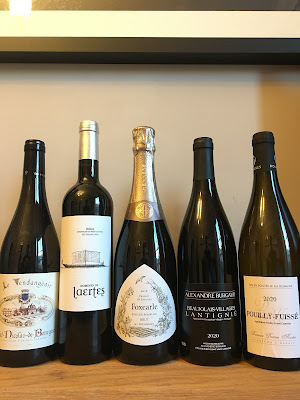
These five wines from Virgin are all Old World in the sense of being from cooler parts of the European continent with an emphasis on texture and structure as much as on fruit.

They are also largely from classic regions, meaning they cost a few pennies for the prestige of the name and are of an instantly recognisable style.

All these wines have aging potential and, if you do drink them young, will benefit from significant aeration to show their best - think several hours in the decanter for the still wines.

Match to classic foods, generally from the region of the wine itself - think scallops with pea puree, roast fowl or game, a cheese plate or beef bourguinon.

They are all very well-made and flawless examples of their style.

Sophisticated fizz to start

Henners Foxearle English Sparkling Brut 2016 (£39.99)

Handmade by a three-person team, this unique offering showcases the best grapes from the 2016 vintage. A fresh, lively and elegant sparkling wine with vibrant acidity. Packed full of flavours like toasted, buttered brioche, accompanied by slices of fresh red apple and lemon nougat.

ABV: 12.5% Region: Sussex, England Grape Type: Champagne Blend

orchard fruits, citrus, florality and nutty brioche; fresh, poised and linear with crisp green apple, citrus and conference pear, brazil nut, creamy oatmeal and toasty brioche; broad, savoury and complex.

Slightly shy on first opening, it opens up with aeration and can be aged further.

Very Good.

Serve as an aperitif; match with seafood starters or salmon wellington.

The Complex White

Pouilly Fuisse Domain Damien Martin 2020 (£22.99) 

Sustainable vineyard management, is used by Damien Martin (young winemaker of the year 2020) to gently nurture the 25-year-old vines to develop a beautifully balanced wine with apricot and pear flavours entwined with delicate oak and cream notes.

ABV: 13% Region: Burgundy - Maconnais, France Grape Type: Chardonnay 

complex, opulent dried yellow stone fruits, honeysuckle, beeswax and citrus; fresh, savoury and complex with citrus, dried pineapple, lime marmalade, sweet spices, creamy brazil nut, oatmeal richness and toasty spice; broad, long and saline.

Improves significantly with aeration, so don't be afraid to decant for a couple of hours; will repay some cellaring.

Very Good+.

Match with plain roast white meats, savoury mushroom-and-cream dishes or hard cheeses.

The Reds

Beaujolais Villages Lantignie Alexandre Burgaud 2018 (£13.99) 

Alex Burgaud is a producer to watch. His exemplary Beaujolais Lantignié is as good as any fine Fleurie! Expect lifted aromas of red berries and violets and, on the palate, mouth coating red fruits with mineral freshness and soft, supple tannins.

ABV: 14% Region: Burgundy – Beaujolais, France Grape Type: Gamay

fresh dark berry fruits, raspberry leaf and violets; fresh, juicy cassis, bramble fruits, minty eucalyptus and spice with a supple texture.

slightly grippy on first opening, the tannins become more rounded and harmonious with aeration; can be cellared.

Also drinks nicely chilled, like a fresh blackcurrant sorbet.

Very Good.

Match with herby sausages, salamis or pastrami.

Le Vendangeoir Saint Nicolas de Bourgueil 2020 (£11.99) 

Mature 40-year-old Cabernet Franc vines give this wine a very special concentration, with notes of racy red fruit and hints of graphite on the nose with a good acid backbone which enables it to maintain its pure fruity crunch.

ABV: 12.5% Region: Loire, France Grape Type: Cabernet Franc 

red berry fruits, red and black cherries with spice and raspberry leaf; fresh, juicy summer-berry fruits with mint leaves and graphite; supple and concentrated with rounded tannins and a savoury mineral backbone

Good; improves with aeration and can be cellared.

Match with herby sausages or roasted meats, such as lamb with rosemary or pork with sage.

Dominio de Laertes Rioja DOCa 2019 (£12.99) 

Made from old vines (55 years old), this wine is made from a family that have dedicated several generations to the cultivation of their vineyards. It is very aromatic with wild blueberries, and very bright on the palate with a long finish.

ABV: 14.5% Region: Rioja, Spain Grape Type: Graciano, Tempranillo and Garnacha 

dark fruits, complex old leather, oaky spice and florality; full and supple with savoury, grilled black fruits, black olives and roasted bitter spices; dense, inky and concentrated with firm yet perfectly ripe, rounded tannins.

Improves with aeration and will repay some cellaring.

Good+.

Match with char-grilled red meats and peppered rare roast beef.

Saturday, 19 February 2022

Easter Wines from Virgin - The New World

Five New World Wines from Virgin Wines for Easter

In (overly) simple terms, the New World means plenty of ripe fruit, while the Old World is food-friendly savouriness.

Over time, of course, the New World has started seeking out cooler sites and making fresher wines with a gentler hand.

And some parts of Old World Europe are warm enough and sunny enough to make crowd-pleasing "sunshine in a glass" wines with plenty of easy-drinking ripeness.

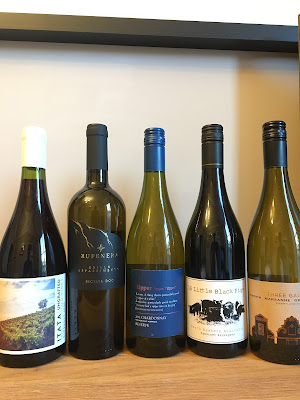
These five wines are all New World in the loose sense of being warmer-climate, non-classic regions, mostly outside Europe.

As well as more of a focus on fruit, it also means more reliability and generally better value for money compared to Big Name established appellations.

These are all well-made and easy-drinking with increasing complexity as you move the up the scale; ripe enough just to sip, the fruit and freshness will also match with sharing foods such as picnics, mezze, anti-pasti, pizza and almost any mixed starters.


The whites

Ripper Reserve Adelaide Hills Chardonnay 2021 (£11.99)

Australian Chardonnay has yo-yoed between sunshine-in-a-glass, oaky monoliths then lean and skeletal. These days, you are increasingly likely to find a European freshness and balance, especially from the cool-climate Adelaide Hills.


Classy and refreshingly crisp Chardonnay from the cool altitude of Adelaide Hills, leaves flavours of apricot, yuzu and peach, retaining a refreshing streak of acidity.

ABV: 13% Region: Adelaide Hills, Australia Grape Type: Chardonnay 

citrussy and floral; white stone fruits and orchard fruit with lemongrass, sherbet, lime marmalade and green herbs; sleek, elegant and poised.

Good.

Match with meaty white fish or roasted white meat.


Three Gables Reserve Swartland Chenin Marsanne Grenache Blanc 2021 (£9.99) 

Despite its New World location, South Africa has been making wine for almost four centuries; after more than its fair share of issues, it is now emerging as an undervalued region to watch.


An equal split blend between Chenin Blanc, Marsanne and Grenache Blanc creates an impeccable wine! The result is a tangy lemon freshness on the nose which follows through to the palate, accompanied by notes of baked apple and barley.

ABV: 12.5% Region: Swartland, South Africa Grape Type: Chenin Blanc, Marsanne and Grenache Blanc 

lifted, floral and aromatic with fresh, minty herbs; ripe yellow stone fruits and tropical citrus, honeysuckle, sherbet, lemongrass and sweet spices; fresh, saline-mineral and long.

Good.

Match with grilled tuna, roast pork or spiced seafood such as calamari or prawns.
 

Rupenera Grillo Sicilia DOC Appassimento 2020 (£13.99)

Historically, volcanic Sicily is not so much Italian as Greek, Levantine and North African. Oenologically, it is a source of plentiful well-made ripe, fruit-forward wines.

Rupenera Grillo Sicilia DOC Appassimento | Virgin Wines

Made from Grillo grapes that are left on the vines to partially dry before being brought into the winery, Rupenera is flush with citrus, stone fruit, floral hints and lashings of honey without being sweet.

ABV: 13% Region: Sicily, Italy Grape Type: Grillo

floral and aromatic with roasted butter peaches and savoury-spicy beeswax; rich and ripe with dried yellow stone fruits, musky melonskin, dried pineapple pieces, melon and lime marmalade; complex and fresh with good underpinnings.

Good.

Drinks nicely on first opening; can be cellared.

Match with roasted pork belly, blue cheese or seared scallops.

The reds

Itata Old Vine Cinsault 2020 (£14.99)

With no natural pests, complex terroir and cooling breezes plus altitude, Chile is almost the perfect place to make wine.

Despite this, for too long, it churned out bigger-is-better jammy wines; these days, however, elegance is back on the agenda, thanks in large part to the efforts of De Martino, who make this wine.


Made from ungrafted vines that are farmed using sustainable agriculture, including dry farming and ploughing with horses, to create a wine with delightful ripe red fruits mingled with hints of violet and stony salinity.

ABV: 13.5% Region: Itata Valley, Chile Grape Type: Cinsault

complex oaky spices, sweet vanilla, old leather and woodsy undergrowth; dark bramble fruits, red and black cherries, red berries and spice; firm with a dense, muscular core and very fine, slightly grippy tannins; fresh, savoury and adept.

Drinks nicely on opening; can be cellared.

Very Good.

Match with darker game, such as venison ragout.


16 Little Black Pigs Cabernet Sauvignon 2020 (£9.99) 

Cab is one of the most widely planted grapes on the planet, but is rarely made into a varietal wine, needing something else in the blend to achieve balance and harmony.

South Australia is one of the few places where Cab does well as a varietal wine; this one is made in a fresh and juicy style this is more quaffable Beaujolais or Loire than serious Bordeaux.

That's a good thing.


In true South Australian style, this red is fruit-forward, ripe and full bodied. Masses of blackcurrant and bramble with minty, herbaceous notes 

ABV: 14% Region: South Eastern Australia Grape Type: Cabernet Sauvignon

bramble fruits, eucalyptus and spice; fruit-forward with ripe, juicy dark-berry fruits, plums, red and black cherries, liquorice and mint; fresh and supple with good underpinnings. Well-made and easy-drinking.

Thoroughly enjoyable.

Fresh enough to drink on its own; will also match well with anti-pasti, salami or almost any mixed starters

Monday, 2 August 2021

Tuffers' Tipples - Phil Tufnell's wine collection

A new range of wines from former cricketer Phil Tufnell, via Virgin Wines

A wine's presentation should make a promise that the liquid in the bottle keeps.

Tuffers' Tipples do exactly that.

You will probably be able to decide everything you need to know about the wines from how you feel about the presentation - in the most general sense.

If you like the look and sound of them, you will, on balance, probably enjoy them - and vice versa.

The wines come as a range of six from different countries: the whites are two Sauvignons and an English Bacchus; the reds include a French GSM blend, Spanish Tempranillo and an Aussie Shiraz.

Each bottle has a different picture of Phil and you'll pay quite a premium for the celebrity association.

The basics are mostly present and correct; freshness, aroma, fruit and a bit of savouriness. The whites have some lees aging to make them more food-friendly so they generally score better for winemaking effort than for the underlying quality of the fruit.

They are probably best served to a general audience with the whites well chilled; they will match with party foods, such as pizzas, barbecues with plenty of strong sauces or chips-and-dips.

Detailed tasting notes are below; for my money the Bacchus is the most interesting of the lot.

The whites

Sauvignon Blanc, Côtes de Gascogne, France (£11.99)

zesty and aromatic; fresh white stone fruits, melon and pineapple with pea shoots and zippy lime, some savoury leesiness.

Match with lighter curries, such as prawns with red lentils.

Sauvignon Blanc, Margaret River, Australia (£18.99)

floral and tropical with white peppery spice; melon, tropical fruits and stone fruit with citrus and zippy lime zest, gooseberry and grapefruit; savoury, leesy underpinnings.

Thoroughly pleasant.

Match with white meat and herbs, such as roast pork with sage or monkfish with a herby broth.

Bacchus, Essex, England (£15.99)

floral hedgerow and delicate aromatics; citrussy sherbet, lemongrass and fresh green herbs with some complex savoury leesiness; light and fresh with some persistence.

Thoroughly pleasant.

Match with light, aromatic starters, such as mozzarella with parsley or herby cream cheese on ciabatta.

The reds

All three reds would work well at an outdoor summer party; match with smoky grilled meats and plenty of barbecue relish. The Shiraz demands robust and strong-flavoured foods.

GSM, Pays d'Oc, France, 2020 (£12.99)

overripe plums, figs and prunes with spice and menthol; freshness with baked bramble fruits, raisins and coconut-caramel.

Tempranillo, Castilla-la-Mancha, Spain, 2019 (£12.99)

spice, bramble fruits, dried herbs and damp earth; mouthwatering freshness with pastille fruits and dusty, dried cherries.

Shiraz, Margaret River, Australia, 2019 (£18.99)

spicy dark berry fruit with inky graphite; fresh and generously extracted with blueberries, milk chocolate, oaky vanilla and caramel.

*****

Notes from Phil Tufnell and Virgin Wines:


Phil Tufnell fell in love with wine over 30 years ago, on his first Ashes trip to Australia with England and has delighted in creating his own collection of bespoke tipples.

His aim? To produce game-changing wines, that leave even the most discerning of wine drinkers stumped for choice.

Phil says: “I’ve always loved wine, with a passion that goes beyond just drinking it! The whole winemaking process fascinates me, and I’ve been privileged enough to learn about everything from provenance to pressing to most importantly tasting, while working on this collection. It’s been incredibly exciting to get to know the winemakers involved, I can’t wait to continue on this journey with Virgin Wines and have everyone try this cracking selection of wines. Happy Days.”

To start the collection, a delectable Tempranillo from Castilla-la-Mancha in Spain is joined by a flavourful French duo of a Sauvignon Blanc and GSM (Grenache, Syrah, and Mourvèdre) blend.

These premium-level editions are perfect for everyday drinking and work nicely alongside the collection’s super-premium bottles: a new world Shiraz and Sauvignon Blanc.

Carefully selected from Australia; these special tipples are a nod to Phil’s cricketing heritage and 2003 I’m A Celebrity Get Me Out Of Here win.

Topping off the range is something a little closer to home; a luxurious English Bacchus expertly made in New Hall Vineyard in Chelmsford.

Echoing the same sentiments as Phil, the team at Virgin Wines are delighted to be bringing out this strong portfolio of wines with ties to Phil’s remarkable playing career.

Virgin Wines’ Head Buyer and all-round wine guru Andrew Baker says: “Phil is a cricketing legend who has genuine interest in wonderful wines but wants to have fun along the way, which is what we’re all about.

The wines we’ve sourced for this collection are made in collaboration with extremely talented, independent winemakers across the globe who have absolutely mastered their craft. We cannot wait for our customers to try them.”

Sunday, 11 July 2021

Versatile, Varied and Multi-Coloured - Bordeaux

Five Bordeaux Wines

Bordeaux was pretty much the first wine area I realised I liked. I'd had wine previously, of course, but I'd never really got to know and understand a region; it was just "wine".

A long weekend break in Bruges via northern France found us stopping off on the return home to buy a bootful of wines from a local supermarket, all chosen pretty much at random.

It set a pattern that I have repeated for decades ever since: go to France and buy lots of lovely inexpensive wines based on what looks best from the local the area of wherever we happen to be.

The northern Pas-de-Calais region is not a wine-producing area, so the supermarket shelves there were mostly full of plentiful wines from the larger, better-known regions regions.

I had previously regarded Bordeaux as being all about exorbitantly-priced reds. What I found once I started opening up the various bottles we brought back was something completely different; inexpensive wines that were vibrant and fresh with plenty of stuffing. Sophisticated, yet accessible and easy to enjoy.

And Bordeaux is not just red wines, either; these days, there's rosé and fizz as well as whites, both dry and sweet. Far from monolithic, Bordeaux is pretty much all things to all occasions; there are very few situations it cannot cater for.

If the region's wines share a common trait, it is that they go well with food and have an ability to age, meaning that they often improve with a bit of air.

If you are used to ripe, fruit-forward New World wines that drink easily on first opening, you will find the fruit on  Bordeaux often emerges more noticeably after an hour or two in the decanter.

Here are five mid-range Bordeaux wines that showcase the variety and versatility of the region.

Comtesse de Saint-Pey Brut NV, Crémant de Bordeaux (£14, L’ami Jac)

Bordeaux fizz has the complexity of traditional method sparklers with the ripe fruit of a warmer, more southerly region; a price tag somewhere below Champagne just makes it better value.

Sémillon / Cabernet Franc blend.

orchard fruits, fresh citrus, florality and white pepper; ripe pear, white peach and honeysuckle with some biscuity leesiness; fine mousse and a savoury persistence.

Good.

Serve as an aperitif or match with sushi, seafood or other light starters.

Château Haut Rian, 2019 Bordeaux Rosé (£13, Harvey Nichols)

Merlot / Cabernet Sauvignon blend.

red fruits, cranberry and wild strawberry with fresh mint, grapefruit zest, white pepper and minerality. Pure and adept with good savoury underpinnings.

Good.

Match with picnic foods, salmon or shellfish.

L'Emigré Blanc 2020, Graves (£14.99, Virgin Wines)

From the Graves sub-region south east of Bordeaux, named for its gravelly soils; the wine is organic and sees a little of oak.

aromatic with white pepper and tropical fruits; intensely mineral and leesy with grapefruit, elderflower, lime kaffir and racy acidity; weighty, concentrated and long.

Very Good.

Demands food; match with salmon carpaccio or baked goat's cheese tarts.

Château Monconseil-Gazin 2018, Blaye Côtes de Bordeaux (£9.75, The Wine Society)

Merlot / Cabernet Sauvignon / Malbec blend from Blaye, just across the river from the Médoc.

forest fruits, plums, cherries and raspberries with sous bois earthiness and spice; fruit-forward and approachable; fresh, supple and easy-drinking with ripe, gentle-yet-firm tannins.

Good.

An easy-drinker, match with pizza, herby sausages, burgers or roast chicken.

SO Sauternes, Bastor-Lamontagne (£9.99, 37.5cl, Waitrose)

Botrytised dessert wine from Sauternes.

roasted buttery peaches with vanilla sugar, honeysuckle, beeswax and orange blossom; sweet, waxy and viscous with apricotty-peachy sweetness, sweet spices, ginger and tropical citrus freshness. Long, savoury and complex. And utterly delicious.

Very Good and Good Value.

Pour as an apéritif with tapas, or later in the meal with cheese and sweet puddings.

******

Further reviews:

Finding value-for-money in Bordeaux 2020 by Liz Gabay: Finding value-for-money in Bordeaux 2020 - Elizabeth Gabay MW


Sunday, 20 June 2021

The CWB Fizz-Off: England vs France

Two celebratory wines with bubbles: Hambledon vs De Saint Gall

English fizz is truly world class; we have the cool-climate and chalk soils to make a sparkling wine that can stand up against anything the rest of the world can offer.

Yet Champagne remains the benchmark for sparkling wine, even if only for historic and marketing reasons.

You will pay about the same for an English wine vs an equivalent Champagne; English wines are inherently more expensive to make (smaller scale, cooler climate), whereas the French wines carry more of a price premium.

Here I put two sparkling wines to the test - appropriately, at the start of English Wine Week.

The English fizz is from Virgin Wines, the Champagne is imported by Daniel Lambert Wines.

The Young Turk

Hambledon Vineyards Classic Cuvee Brut NV (£30, Virgin Wines) 

From one of the oldest commercial vineyards in the UK, established in 1952 in Hampshire; the wines have been served on the QE2, in British Embassies, the Houses of Parliament and around the world.

Yeasty brioche with complex, musky toastiness; apple-and-pear fruits with creamy brazil nut and oatmeal, florality and biscuity richness; fresh, precise and linear. Rich, expressive and adept.

Very Good.

Serve as an aperitif or match with seafood, such as prawn vol-au-vent starters or a salmon main.

The Old Master

De St Gall Blanc de Blanc Premier Cru N/V

Blessed with an exceptional terroir, De St Gall takes a collective approach to winemaking with expertise passed down from generation to generation. Thanks to the unrelenting passion of its winegrowers and winemakers, the winery has honed its methods to produce highly singular Grand Cru and Premier Cru Champagne wines of a pure, elegant style, united by a common passion for winemaking, a sense of duty and a desire to share this precious knowledge: they are the guardians of an invaluable legacy that must be carefully preserved as it is brought to fruition.

Pale yellow, expressive with florality, fresh hazelnut, apple flesh, yellow stone fruit, citrus, biscuity brioche and creamy leesiness; full and generous with fine bubbles and freshness; persistent, full and precise.

Very Good.

Serve as an aperitif or match with sophisticated hors d'oevres.

The judgement of Paris?

So, which of these two wines is the better?

That's almost impossible to answer as, within their style, they are both quite different.

Both being traditional method sparklers, they are citrussy and fresh with bubbles in. So far, so similar. They also sit broadly in the same price bracket (if you are fussing over a few £s, you are missing the point at this level).

The English fizz is a blend of 60% Chardonnay, 20% Pinot Noir and 20% Pinot Meunier, giving more richness, weight and expressiveness to the wine, despite it being from much further north.

The Champagne is a Blanc de Blancs, meaning 100% Chardonnay; this means more florality and elegance. Everything is just that little bit finer and, I suspect, it will improve with age in a more interesting way than the English fizz.

So, an honourable draw, then.

*****

Other reviews

Jamie Goode calls the Hambledon "quite brilliant. 93/100 " - full review here: 

Thursday, 23 July 2020

L&C Gin from Virgin Wines

 A new gin from Bullards Distillery, exclusive to Virgin Wines

Virgin Wines have been working with Norwich-based Bullards Distillery to produce a new gin; a London Dry, the botanicals are re-distilled with the gin and juniper for elegance.

With an emphasis is on easy-drinking freshness, additional flavourings have been limited to lime leaf and cardamom.

Using fewer ingredients means that each must complement the others and be of the highest quality - there's no room to hide.

Fortunately, Virgin's spirits buyer, Dave Roberts, and Master Distiller of Bullards, Dave Crofts, have succeeding in creating a distinctive and very elegant gin.

L&C Limited Edition London Dry Gin (£41.99, Virgin Wines) aromatic, citrussy and botanical with lifted cardamom on the palate; zesty, fresh and inviting. Balanced, harmonious, elegant and long.

Good.

Serve as an aperitif, ideally neat. In the Garden. On a sunny day.

Saturday, 6 June 2020

The English Whisky Company Smokey Single Malt Whisky With Jug - Virgin Wines

A Father's Day gift from Virgin Wines - English Whisky

The English Whisky Company Smokey Single Malt Whisky With Jug

To the list of things that you didn't know England did well you, can now add peaty whiskies.

The English Whisky was established in 2006 in Norfolk as a retirement project. Unlike vodka or gin which can be sold as soon as produced, whisky needs time in cask to mature; 8 years is considered entry-level, so it's a while before your project starts to pay back.

Is this a distinctively English whisky? Absolutely not - and that's no bad thing. Tasted blind, you'd be forgiven for placing it on Islay, home to Scotland's smoky, peaty whiskies.

It comes with a water jug and whilst it's all about personal preference, one rule-of-thumb is to add just a few drops, around 20% of an appropriate mineral water to your glass.

The English Whiskey Company Smokey Malt Whiskey with Jug (£46.99, Virgin Wines) complex and expressive; rich, sweet and full palate, viscous, saline and peppery with savoury fruitcake, roasted peaty spices and long, warming finish.

Very Good.

Drink as a digestif or match with sticky toffee pudding or espresso and dark, bitter chocolate.

Thursday, 26 March 2020

Noveltea Earl Grey Gin

An Earl-Grey infused gin from Virgin Wines Sendagift

Early Grey tea and gin - what could be more British?

If you are looking for a gift or need something to cheer up a loved one in self-isolation lockdown, Noveltea's Earl Grey gin will put a smile on their faces.

The gift set comes with a teapot for serving the gin warm - or you can add ice and have it chilled.

Noveltea Teapot Gift Set With Earl Grey Gin (£26.99) cold-brewed loose-leaf Earl Grey tea and gin blended; citrus, florality and bergamot with sweetness, ripe peach and botanicals. Think iced tea cocktail.

Thoroughly enjoyable.

Serve as part of a boozy afternoon tea.

Tuesday, 11 February 2020

Warner's Rhubarb Gin

A pink gin for Valentine's, from Virgin Wines

Say you need to get a Valentine's present and you're not sure what to get. You want it to be special, classy and meaningful, something you hope the object of your affections might invite you to share. Something that looks both pretty and sophisticated. And, being a discerning sort of person, you are prepared to spend a bit of money.

A bottle of Warner's Rhubarb Gin might be just the thing; it looks and smells better than wilting petrol station forecourt flowers.

Authentically British, it is handcrafted by Warner Edwards from a 200 year old barn; it combines award-winning Harrington gin with rhubarb from Queen Victoria's personal crop, originally grown in the kitchen garden of Buckingham Palace.

It comes in a smart tin and you can add a special message. to your loved one - something along the lines of "Hubba, Hubba", perhaps.

Warner's Rhubarb Gin (Virgin Wines, £40.99) aromatic pink gin, with pepper, cardamom and cinnamon spice, citrus peel, elderflower; sweet and tangy, it is 1/3rd pressed rhubarb juice, giving a sweet and viscous texture.

Saturday, 8 February 2020

Solevari Reserve Feteasca Neagra 2017 - Virgin Wines

A crowd-pleasing red from Romania, via Virgin Wines

For many years, I used to travel to Romania on business; I never fell in love with Bucharest, but the wines were something else. Fresh, clean, well-made and elegant, they were everything the Romanian capital is not.

Feteasca Neagra is Romania's signature red grape; it is ripe, full, dark-fruited and spicy, something of an Eastern European Syrah. It goes well with steak, which is also something Romania excels at.

This wine is made by Cramele Recas, an award-winning Romanian winery with UK and Aussie connections. And rather like Transylvania's most famous undead count, it is dark, sleek and crowd-pleasingly charismatic.
Solevari Reserve Feteasca Neagra 2017 (£12.99, Virgin Wines) expressively ripe, plump and spicy with dark fruits and plenty of toasty, vanilla-coconut oak. Fresh, vibrant and juicy with good underpinnings and very fine tannins, this is a sophisticated crowd-pleaser.

Thoroughly enjoyable and drinking nicely now straight out of the (screw-top) bottle with some evolution.

Match with steak.

Tuesday, 4 February 2020

Heranca Late Bottled Vintage Port 2012

An LBV port from Taylor's, exclusive to Virgin Wines

LBV is a vintage port, i.e. made with grapes from a single year, that is aged in wood for several years before release.

This means that it matures more quickly than vintage port and so is ready for earlier drinking; while vintage port can mature for decades, LBV is intended to be ready for drinking on release at between four and six years from the vintage.

This Heranca LBV, however, is eight years from vintage and still very youthful; it benefits from extensive aeration and feels some years off its peak. There's nothing not to like now, it's just there will be more to love if you can hold on to it for a while.

Heranca Late Bottled Vintage Port 2012 (£14.99, Virgin Wines) rich, warm and spicy with vine fruits, prunes and figs plus classic porty eucalptus and sweet spice; dense, concentrated and viscose with a firm muscular core.

Improves with aeration and will age further.

Good.

Match with chocolate-and-cherry torte or drink as an after-dinner digestif.

It also gets a nod from the Independent: https://www.independent.co.uk/extras/indybest/food-drink/wine/best-ports-wine-9788055.html

Sunday, 2 February 2020

Schnaitmann Simonroth Lemberger 2016 - Virgin Wines

Lemberger - Germany's take on Central Europe's great red grape from Virgin Wines

They say life's too short for a German wine label; this one is not excessive, but still hardly snappy.

However, there's really just one word you need to know here and it does not even appear anywhere on the bottle; Blaufränkisch.

Blaufränkisch is central Europe's great red grape; dark-skinned and late-ripening, it has cherry and bramble fruit, spice and fine tannins. In cooler climates, it is delicate, elegant and Pinot-esque; in warmer regions it is fuller, with darker berry fruit, deeper colours and a minty Bordelais character.

Blaufränkisch has many names - Frankovka, Frankovka modrá, Franconia, Kékfrankos and Lemberger - and they all generally mean the same thing, Blue Frankish.

Germany already does brilliant Pinot, so great Blaufränkisch should come as no surprise.

Schnaitmann Simonroth Lemberger 2016 (£24.99, Virgin Wines) berry and cherry fruits with peppery spices, pencil shavings and cloves; soft, elegant and harmonious with very fine tannins. Savoury and fresh with a dense, muscular core.

Somewhat closed up on first opening, it improves with aeration, so don't be afraid to decant; will repay some cellaring.

Good.

Match with elegant Burgundian food such as escargots, beef bourguinon or Bresse chicken.

Sunday, 12 January 2020

Corvezzo Prosecco DOC Treviso Extra Dry NV

A smart Italian fizz from Virgin wines

Well-made Prosecco is a good, crowd-pleasing fizz. With more ripe fruit than cool-climate fizzes, it is an affordable easy drinker for a mixed group, such as Christmas visitors.

Corvezzo Prosecco DOC Treviso Extra Dry NV (£14.99, Virgin Wines) fresh citrus and sherbet with apples-and-pears fruit; white flowers, lemon peel and some creamy leesiness.

Thoroughly enjoyable.

Serve as an aperitif.

Wednesday, 8 January 2020

5OS Project Shiraz Viognier

Big, almost porty Aussie Syrah-Viognier blend from Virgin Wines

Syrah-Viognier is a classic blend from the Rhône; this is an Australian take from the Mediterranean-climate McLaren Vale area.

With a couple of years in bottle, it's still very primary and, initially, fruit-driven; it is only with extensive aeration that it starts to show its more serious side.

5OS Project Shiraz Viognier (£16.99, Virgin Wines) dark berry and morello cherry fruit, liquorice and spice with cool, minty florality; inky pencil shavings with ripe, very fine tannins; intense and concentrated.

Benefits from aeration and will repay cellaring.

Good.

Match with darker game such as venison or hare.

Matthew Jukes is also a fan.

Monday, 6 January 2020

Trimbach Riesling 2017

A racy, mineral, age-worthy Alsace Riesling from Virgin Wines

Riesling is something of a wine geek's wine - aromatic and high in acidity with a mineral backbone and an ability to gain complexity with age, it seems to appeal more to enthusiasts more than to "ordinary joes".

Riesling's spiritual home is Germany, but in next-door Alsace it is one of four noble grapes to get star billing.

This Trimbach Riesling is supremely well-made and a textbook Alsace example. With taut, racy minerality, it will benefit either from a bit of aging or aeration, so don't be afraid to pop it in the decanter for an hour or so before drinking.

Trimbach Riesling 2017, Alsace (£15.99) yellow stone fruit, citrus and pineapple fruit; grapefruit pith and fennel, floral and minty with flintiness. Lean, limey and mineral.

Taut and uncompromising in youth; expect it to broaden out with age.

Good.

Match with tarte flambee.

Thursday, 2 January 2020

Chiarli Medaglie Lambrusco Grasparossa di Castelvetro DOC 2018

A lip-smacking Italian red fizz from Virgin Wines

Lambrusco is the oenological equivalent of riding a Vespa; fun, stylish and joyously uncomplicated.

For the uninitiated, Lambrusco is a red fizz from Italy's Emilia-Romagna region, which is also home to Parma ham, balsamic vinegar, Parmigiano Reggiano and Grana Padano cheeses as well as pasta dishes such as tortellini, lasagne and tagliatelle.

Like many classic wines, context is important because the wine often needs to be matched with local foods to make most sense; Lambrusco's fruity tartness cuts through the rich flavours of Emilia-Romagna.

The dinner party fact for this wine is that Lambrusco Grasparossa is the grape variety and Castelvetro the area, hence the appellation name of Lambrusco Grasparossa di Castelvetro.

With freshly-squeezed fruit and crimson froth, how can you not love this wine?

Chiarli Medaglie Lambrusco Grasparossa di Castelvetro DOC 2018 (£11.99) fresh, juicy blackcurrant and blueberry fruit with a touch of spice and gentle tannins; rich, bold and fruity with a pleasantly tart rasp on the finish.

Good.

Match with typical Emilia-Romagna foods - especially pasta with a rich meaty tomato sauce.