Popular Posts

Showing posts with label Australia. Show all posts

Thursday, 28 July 2022

Two Vasse Felix Wines at Tesco

A Rhône-style red and Bordeaux-blend white from Western Australia's Vasse Felix at Tesco

There are many things that make Vasse Felix a special place; these two wines, Vasse Felix Classic Shiraz and Vasse Felix Classic Semillon Sauvignon Blanc, owe it all to the incredible environment and climate of Margaret River, family ownership, treasured heritage, and priceless vineyards.

Dating from 1967, Vasse Felix is the founding wine estate of the Margaret River region in the furthermost southwestern corner of Australia. The secret to the region’s distinct wines is down to its Mediterranean climate, warm dry summers and a maritime influence from the massive ocean which borders Margaret River on three sides and brings a cool sea breeze which preserves the fruit flavours and aromas.

Vasse Felix Classic Shiraz and Vasse Felix Classic Semillon Sauvignon Blanc are made from fruit grown in Vasse Felix’s four Margaret River vineyards, then vinified and bottled within the modern, state-of-the-art winery, overlooking Wilyabrup Brook.

With summer comes lighter, crisper whites and Margaret River’s classic blend of Sauvignon Blanc and Semillon is a great wine for this time of year.

Vasse Felix Classic Semillon Sauvignon Blanc 2021, (£12, Tesco)

Vasse Felix Classic Semillon Sauvignon Blanc, introduced in 1987, is zesty, fresh and crisp and could easily become an everyday favourite.

Made with organically grown fruit and fermented with organic and wild yeasts, from Vasse Felix vineyards which are now certified organic.

restrained nose of passionfruit, gooseberries and tropical citrus with some florality and white pepper; fresh and supple with ripe stone fruits, melon, pineapple, candied lemon peel and sherbet; waxy and broad; very elegant and harmonious.

Drinks nicely on first pouring; opens up with some aeration.

Good.

Fresh enough for an aperitif and a versatile food wine. Match with lemony roast chicken, hot smoked salmon, pork rillettes or a green Thai curry.

Vasse Felix Classic Shiraz 2020 (£12, Tesco)

First made in 1990, it is now one of the most popular red wines for all occasions in Australia. It’s known for its delicate and sophisticated fruit-forward style and is the epitome of modern elegance.

Wild fermented, this modern, medium bodied wine is deep and true to its unique environment; there is also a drop of Malbec in the blend.

black fruits, dried green herbs and violets; juicy ripe blackberries, blueberries and black cherries with oaky vanilla spice, an inky texture and some leathery-earthy savouriness; supple, ripe and well-integrated tannins; fresh and long with very good underpinnings.

Drinks nicely on first opening with plenty of fruit to the fore; becomes more interestingly savoury and harmonious with aeration. Will repay some cellaring.

Good.

Match with grilled lamb chops and harissa.

Wednesday, 20 July 2022

Australia's Oxford Landing

A taste of Australia's Oxford Landing

If your budget is not much over the national average of a fiver, and you don't want to make a special trip for your wine, easily-available bottles from the supermarkets risk being a bit hit-and-miss.

The good news is that these three wines from Oxford Landing are all well-made, reliable and thoroughly enjoyable.

Oxford Landing is the name of the wine and the place in South Australia where the beautiful River Murray runs through the vast, red landscape, filling the community and environment with life, promise and affordable wines that are sustainably produced. 

Here Oxford Landing wines are nurtured from bunch to bottle using a small-scale approach with methods usually reserved for boutique winemaking, thus guaranteeing the authenticity, provenance, quality and consistency of every bottle of Oxford Landing wine.

Oxford Landing Sauvignon Blanc 2021 (£6 from Tesco, Waitrose, Sainsburys, Morrisons, ASDA)

Oxford Landing Sauvignon Blanc is the number one Aussie Sauvignon Blanc in the UK; its crisp, refreshing style makes it a popular choice, and at just 10.5% alcohol, it is the perfect pick for summer parties, social gatherings or just a cheeky glass after work.

This wine has been carefully made using cool fermentation with aromatic yeast strains to enhance the punchy zesty characteristics of Sauvignon Blanc. A percentage of the wine was fermented on skins to add an extra dimension of complexity.

The result is a fresh wine with zesty aromas of passionfruit, lemongrass and freshly cut hay, light-bodied and showing layers of fresh citrus and papaya flavours. 

aromatic with rubbed sage, mint and pepper; ripe, zesty, tropical fruits, with lime, grapefruit and gooseberries; crisp and refreshing with lemongrass, white pepper and some saline minerality

Well-made, food friendly and thoroughly enjoyable.

Drink as an aperitif or serve with a simple cheeseboard, some olives, dried fruit and crackers or with classic fish and chips.

Oxford Landing Pinot Grigio 2021 (£6.50, Sainsburys)

Don’t let Oxford Landing’s Pinot Grigio’s pale veneer and subtle aromas fool you; there’s plenty of flavour going on in the glass.

The wine was fermented with natural yeasts that come in from the vineyard, creating layers of flavour and richness. Following fermentation, the wine was left on its lees for 3 months and stirred weekly to impart a creamy richness to the palate.

A refreshing, medium bodied style of Pinot Grigio with lemon pith, apple skin, grapefruit, poached pear and cinnamon flavours with every mouthful.

orchard and white stone fruits, white pepper spice; weighty, concentrated, full and supple with conference pears, citrus, white peaches, leesy saline minerality and warming sweet spices.

Well made and adept; thoroughly enjoyable.

Enjoy with potato salad and a ‘green’ avocado style dressing, Asian chicken salad with roasted peanuts or tortilla chips and a spicy black bean salsa.

Oxford Landing Merlot 2020 / 2021 (£7.25, The Co-op)

Oxford Landing Merlot will take you through to the cooler end of summer months and into Autumn.  It has good depth of colour, with generous red fruit flavours of plums and cherries.

Merlot thrives under the warm Australian sun alongside the Murray River and this is a generous and succulent example of a great Australian Merlot.

blueberries, violets and spice; juicy berry fruits, cherries, dried green herbs and woodsy undergrowth; gentle tannins.

Well made and thoroughly enjoyable.

Drink slightly chilled on a hot day or match with grilled red meat, such as lamb seasoned simply with salt, pepper and a squeeze of lemon and seared on the barbecue for a few minutes each side and served with a side order of caramelized roast vegetables, a Moroccan spiced curry or a pasta dish cooked with a creamy tomato sauce.

Monday, 11 July 2022

Wakefield Promised Land

Three wines from Australia's Wakefield at Asda

In time for summer, Wakefield Promised Land wines from South Australia, including a crisp, refreshing Pinot Grigio, a smooth, soft Merlot, and a juicy Shiraz Cabernet blend, are now available from Asda at just £9 each.

They are lively, approachable, and easy to enjoy, making them superb go-to wines for easy summer socials. When it comes to cooling down this summer, a few degrees can make all the difference, especially important for wines.

“Serving wine at the right temperature not only improves the taste and aromas, but leads to a greater appreciation of individual varietals”. Sound advice from Mitchell Taylor, winemaker and third generation family member of Wakefield who adds, “As well as reaching for a crisp, refreshing white, it’s entirely possible to enjoy red wine in the summer once we factor optimum temperature into the equation.”

The key to enjoying red and white wines all comes down to temperature and Wakefield have made things easy with their innovative on-pack temperature sensor featured on the back label which changes colour depending on the temperature of the wine. By referencing the temperature guide next to the sensor, wine drinkers will know exactly when their wine is at the right serving temperature.

The wines are full of generous flavours, accessible to any wine lover, with a mix of varieties to suit any preference. 

The Promised Land wines are named after a special parcel of land ‘promised’ for sale in a handshake with a neighbour. The significance of the seahorse icon on the label dates back to the early days in Wakefield Wines history when, whilst digging the first dam on the property, the family unearthed tiny fossilised seahorses.

This extraordinary discovery confirmed the Taylor family’s belief in the promise of the land and its rich, fertile soils which have been ideal for crafting award winning, world class wines. Today, seahorses are proudly featured on our Promised Land labels as a symbol of quality. Wakefield’s commitment to seahorse extends beyond the world of wine; the Taylor family proudly supports Project Seahorse, the global experts on seahorse and marine conservation, helping to raise awareness and funds to protect the species around the world, including off the coast of Dorset here in the UK.

Promised Land Pinot Grigio 2021 

white stone fruits and white flowers; fresh and crisp with salinity, apples-and-pears fruit, good underpinnings and a white peppery finish.

Improves with aeration.

Thoroughly enjoyable.

A versatile wine, match with a summery dinner, antipasti or seafood.

Promised Land Merlot 2020

red and black berry fruits, blackcurrant leaf, pencil shavings and spices; fresh and juicy berries with an inky texture, savouriness and gentle tannins.

Thoroughly enjoyable.

Match with salamis, pizza or barbecued meats.

Promised Land Shiraz Cabernet 2019

red and black fruits, woodsy undergrowth and spice; fresh, with gentle, rounded tannins, dark fruits, grilled notes and spice; good underpinnings.

Thoroughly enjoyable.

Match with grilled foods, such as bbq burgers.  

Thursday, 7 July 2022

Crisp White and Big Red - Antipodean-Style

Three antipodean wines: Crisp Whites and Big Red from the other side of the planet

I've said it many times, Crisp White and Big Red is the classing pairing for almost any meal - begin with something refreshing and zippy as an aperitif-cum-starter wine before moving on to a bigger red to go with a meaty main course. It's food and wine matching 101.

In Europe, you can take your pick from red and white Burgundy, Chablis and Rioja or even a couple of Loires.

Here is a southern hemisphere version of the same pairing, with classic New Zealand Sauvignon and an unusual Australian Tempranillo.

White: New Zealand

Nelson is New Zealand’s sunshine capital where the Seifried family have been crafting their art for nearly 50 years. Today, Seifried Estate is devoted to sustainable winegrowing and producing the very best Nelson has to offer.

Classic South Sauvignon Blanc 2021 and Seifried Estate Sauvignon Blanc 2021 from Nelson are more restrained and balanced than its famous Marlborough cousins. These wines are brimming with everything great about New Zealand Sauvignon and bursting with bright fruit, balanced by the delicate, mineral freshness resulting from sunny vineyards, on the shores of the Tasman Sea.

The Seifried family have more than 320 hectares of estate-grown vineyards across 10 properties in the Nelson region.

The vineyards relevant to these two wines are Brightwater, 15 kilometres from the coast and sheltered from the south by the Richmond Ranges. Here, the vines grow in rocks and boulders, which, although hard on the farm machinery, are key to holding the warmth of Nelson’s sun and for ripening the grapes. 

Queen Victoria Vineyard is known for its apple orchards, kiwi and hops, and the grapes grow on stony free draining soils giving the fruit clarity and varietal intensity.

Redwood Valley Vineyard is on a gently sloping, north facing clay site where the vines range from 10 to 30 years old and enjoy maximum exposure to sunlight for intensity and optimal ripeness.

Seifried Estate was established by Austrian-born Hermann Seifried and his Kiwi wife Agnes when they planted their first vineyard in the Moutere Valley near Nelson, in 1973, establishing themselves as pioneers of modern winegrowing in New Zealand’s South Island.

Hermann and Agnes still oversee the business which has grown to include the whole family. Son Chris and daughter Heidi are qualified winemakers, and daughter Anna oversees sales and marketing.

Seifried Estate wines are marketed in 26 countries around the world and 60% of Seifried Estate’s wine production and export is Sauvignon Blanc.


Classic South Sauvignon Blanc 2021, (£10.99, Waitrose)

Classic South Sauvignon Blanc is sustainably made and vegan-friendly from Seifried’s Brightwater, Queen Victoria, and Redwood Valley Vineyards.

2021 was a cooler year than normal in Nelson, with a warm run of weather just as the fruit was ripening and during harvest, resulting in delicate aromas and bright acidity. 

expressive lifted aromatics with lemongrass, lime zest, green herbs, tropical fruits, florality and white pepper; citrus, grapefruit and lime marmalade with white stone fruits, melon and pineapple; hints of spicy pungent muskiness; good underpinnings.

Drinks nicely on first opening; gains complexity with aeration.

Good.

Match with herby foods such as mozzarella with basil, tomatoes with rosemary or saltimbocca.

Also reviewed by Tom Cannavan here:


Seifried Estate Sauvignon Blanc 2021, (£14.99, Waitrose)

Seifried Estate Sauvignon Blanc is made from grapes from the Brightwater and Queen Victoria Vineyards; they were destemmed and pressed immediately after harvest and cool fermented in stainless steel tanks to retain the clean aromatic fruit characters. 

2021 was a cracker vintage in Nelson, albeit the yields were devastatingly light due to spring frost, unsettled flowering weather and Boxing Day hail. 

citrus and lemongrass with minty chives and white pepper; saline and savoury with grapefruit, citrus, acacia blossom, white stone fruits, white pepper and creamy brazil nut; saline and complex.

Good.

Match with ham hock terrine and parsley or monkfish with a herby broth. 

Red: Australia

Running with Bulls is an Australian wine made from Tempranillo, the main grape variety of Rioja. It’s not a traditional variety in Australia but has proven to love it here, and with its feet firmly planted in Barossa soil, it has adapted well.

The ideal warmer climate of the region helps to showcase the stylish fruit flavours of this emerging variety and produce some promising wines such as this one.

The Hill-Smith family created the Running with Bulls collection back in 2008, unapologetically bucking tradition to produce a wine that was not only new, but brilliant. Running with Bulls is a well-priced Australian interpretation of a Mediterranean classic.


Running with Bulls Tempranillo (£8, Tesco, Co-op)

Barossa-grown Tempranillo is fermented with wild yeasts indigenous to the vineyards, followed by a wild malolactic fermentation in tank which brings out the fruity character and lovely tannins.

dark berry and cherry fruits with spice and wild herbs; juicy plums and black fruits with cocoa, cinnamon and cola; concentrated, fresh and supple with gentle tannins.

Well made and thoroughly enjoyable

Served lightly chilled as a summer garden sipper or match with a range of Mediterranean foods such as pizza, paella, antipasti or mezze.

***

Saturday, 14 May 2022

The CWB Meta Aussie Viognier-Off

Four Viogniers from Australia's Yalumba - and what buying each one says about you

Viognier is a heat-loving, low-acidity peachy-apricotty grape whose spiritual home is the northern Rhône; Helena Nicklin describes it as the sun goddess of the wine world..

By the 1970s it was in danger of becoming extinct with just a little over 10 hectares in Condrieu, but it has staged something of a come-back ever since.

Australia's Yalumba adopted Viognier as their signature white in the Barossa Valley in the 1980s, after seeing its potential as an alternative to premium Chardonnay.

After a lot of trial and error to learn how to get the best out of the grape, Yalumba now makes a range of Viogniers from the entry-level Y Series up to the very serious Virgilius.

All four wines have a family resemblance - they are picked late for character, with freshness and contrast provided by phenolics from skin contact and little to no fining to maintain flavour and complexity.

The more ambitious wines are fermented in old oak with some lees aging; made somewhat oxidatively but with high phenolics, these wines have the potential to be aged. The 2003, for example, is sealed under screwcap and has hardly gained any colour.

They are all Good to Very Good wines, so to an extent, you pays your money and you takes your choice.

The cheerful one


Olly Smith recommends the Y Series Viognier, saying: Peachy and bright as honeysuckle, this is as good as Viognier gets for under £10.

Retailing at well under £10, this is complex and gastronomic beyond its price point. Buy this if you want something inexpensive but sophisticated.

The packing is nicely distinctive, but to me, the wine is better than appearances would suggest - the label says fulsome cheeky chappie, but its so much more than that

If you need to make a good impression and want to avoid the supermarket/entry-level vibe, I'd be tempted to put this into a smart decanter - it will benefit from the aeration in any case.

Yalumba Y Series Viognier 2021 (£8, Tesco, Asda, Sainsbury’s)

white flowers, white pepper and stone fruit; waxy yet crisp with peach, apricot and pineapple fruit, some grapefruit and lemon pitch; honeysuckle and minerality with good, savoury underpinnings.

Match with spicy and rich dishes such as a Sri Lankan vegetable or chicken curry.

Good.

The smart supermarket one


Yes, it's still a supermarket wine, but it's from those bastions of middle-class Britain, Waitrose and M&S, so your colleagues and neighbours won't judge you if you serve it as a "house wine".

It looks smart and it's organic, too with wild yeasts and a commitment to biodiversity leading to better pest control.

This would be fine to bring along to a barbecue or informal garden party, but refer to it as a "Viognier" and serve it from a decanter if you want to quietly impress the sort of people who would raise an eyebrow at supermarket Australian wine.

Yalumba Organic Viognier 2021 (£9.99 Waitrose, Marks & Spencer) 

delicate white flowers, ginger and jasmine with apricot; creamy, rich and long with fresh apricot, almonds, bright stone fruits and sweet spices. Full and supple with good underpinnings.

Good.

The sophisticated middle-child one


This is actually my favourite of all the Viogniers here, but it risks being overlooked, being neither under £10, nor eye-wateringly priced.

The fruit is from old vines in Eden Valley, where Yalumba first planted Viognier; it is fermented with wild yeasts in some old oak and put into a cold room which prevents malolactic fermentation and therefore maintains freshness. It spends 10 months on the lees with battonage, resulting in a more open and earlier-drinking wine.

Only available from independent wine merchants, neatly presented with what could be taken for a European chateau on the front, it cites a European-style place of origin in an elegant script; you could easily put this sophisticate on the table at a dinner party and not feel the need for any explanations.

Samuel’s Collection Viognier 2018 (£16.99, Vinvm.co.uk, Flagship Wines, Taurus Wines) 

fresh apricots, ginger, saffron and fresh white flowers; stone fruits and freshness with savoury, leesy underpinnings, toasty sweet spices; deft, supple, full and complex.

Drinks nicely on first opening, improves with aeration and can be cellared.

Very Good.

Match roast pork, Moroccan tagine and spiced couscous, or falafel and baba ghanoush wraps.

The super smart one
At £40, this wine makes a statement even before you crack open the screwcap. Yes, it's good, but then for £40 you would expect it to be good.

Priced like an Old World wine and equivalent to 5 bottles of the already-very-good entry-level Y Series, it's hard to make a rational case for this wine.

But wine is never about being rational and Tom Cannvan picks this one out for special mention.

Is it a statement of intent, a price anchoring device, or a European-style wine at European-style prices? Probably a bit of everything.

It comes in an important-feeling weighty bottle with an embossed label and a script that flourishes elegantly like a monarch's signature.

Tom describes it as peachy, with a twist of confit lemon; full texture and a taut core of acidity.

To be absolutely honest, right now I'd rather take two-and-a-bit bottles of the Eden Valley over one of the Virgilius. But with potential future in-laws or a new boss to impress, this restrained and complex wine would make the right statement.

And if I were laying down bottles for my children or future grandchildren, I'd be confident of the Virgilius going the distance.

Virgilius Viognier 2018 (£40.95, Vinvm.co.uk, Flagship Wines, Soho Wine Supply) 


yellow stone fruits, leesy brazil nut sweet spice and citrus; fresh, concentrated and precise; full, supple and fresh with stone fruits, creamy-nutty underpinnings, complex, dense savouriness and toasty spice.

Drinks nicely on first opening, but needs cellaring and aeration to best show its superiority.

Very Good.

Match with Burgundian dishes, such as white fish in butter, lighter game, scallops or mushrooms.


***

For a more straightforward review of the wines, see Dave Cronin's non-meta write-up: Yalumba Viognier Tasting : VinoViews

Saturday, 7 May 2022

A(nother) CWB Chardonnay-Off

Three very different Chardonnays

This is not my first Chardonnay-Off rodeo; far from it, in fact.

There has been the Southern Hemisphere one, the International one, the Southern French Oaky one and the Adelaide Hills one.

Chardonnay is The Beatles of wine grapes; among both the most accomplished and most popular performers, it is the one that inspired so many others and remains the standard against which many are judged.

This Chardonnay-Off highlights the variety that this grape can show - different countries, different price points and different ages.

It is also a great food wine; match with starters, white meats, meaty white fish and creamy mushroom pasta.

Entry-level Chardonnay is a great picnic wine; with more age and complexity, match with lighter game.

All three wines here drink nicely on first pouring, but open up and improve with some aeration.

Australian Limestone Coast Chardonnay, 2021 (£5.99 / £4.49 on offer, Lidl)

Australia's Limestone Coast is a catch-all appellation for several regions within South Australia; it was once underwater and as a result, the soil is fossil-rich, hence the name.

Lidl wines are generally priced extremely keenly, so special offers like this are a good excuse to stock up, not just for immediate drinking, but also for laying down, provided you have space and can wait.

restrained citrus and stone fruit aromas with some florality; ripe yellow stone fruits, melon and zippy lime with sweet spices and creamy brazil nut

Thoroughly enjoyable and Good Value.

Can be aged for a few years.


Petaluma Chardonnay, 2020 (£16.00, Tesco)

Based in the cool-climate region of Adelaide Hills, Petaluma is one of the great names of Australian wine, producing Burgundian-style Chardonnays.

citrus, white flowers, stone fruits and complex oaky spice; fresh, elegant and poised with preserved lemons, melon fruit, pineapple pieces, sweet spices and zippy lime marmalade; broad complex and generous with saline minerality. Poised and precise.

Very Good.

Can be aged for many years.

Pernot-Belicard Bourgogne Chardonnay 2012 (£17, Cambridge Wine Merchants)

Philippe Pernot and his wife (from the Belicard side) launched their own domaine in 2009, with just six hectares of vines in Puligny. They pick quite early, all by hand, with hand sorting at the cellar.

This wine was a fire-sale bargain picked up by Cambridge Wine and sold at a discount to market price.

sandy yellow with roasted spices, stone fruits, florality, and evolved musty leather; savoury-creamy toasted brazil nut, almonds and macadamia with citrus, orchard fruits and stone fruits; complex, oaky, roasted spices; fresh, complex, broad and generous.

Very Good.

Fully mature, but will remain at a peak for several more years.

Saturday, 16 April 2022

Food and Wine Matching with Kindling Restaurant - Slow Roast Shoulder Of Mutton With Carrot, Tomatoes And Red Wine

A lamb recipe from Kindling Restaurant, Brighton - with some classic wine matches

Kindling Restaurant in Brighton is about more than just the delicious food, it is a community of people: staff, customers and suppliers all sharing and celebrating local produce. Nature writes the menu as the seasons inspire the dishes. Kindling is featured in the Michelin Guide and is a member of the Sustainable Restaurants Association.

Facebook: https://www.facebook.com/KindlingBrighton @KindlingBrighton
Instagram: https://www.instagram.com/kindlingrestaurant/ @KindlingRestaurant

The Food - slow roast shoulder of mutton with carrot, tomatoes and red wine

Perfect for Easter or a Mother’s Day gathering, why not try Kindling Restaurant’s slow roast mutton shoulder as a centre piece for your table. A classic combination of seasonal flavours from Chef Toby Geneen’s childhood, this dish is rich, comforting and perfect for a family celebration.

Kindling’s ethos centres around seasonal produce and ethical farming. Here, the traditional spring lamb is replaced with a piece of regeneratively farmed mutton. Regenerative agriculture is a farming system that aims to restore and improve the countryside. When it comes to sheep this means rotating their grazing and uses practices such as planting herbs into the fields to enhance the health of the herd. This has the added benefit of enhancing the flavour.

Mutton is typically four to six years old. Being a matured meat, it has had plenty of time outside allowing it to develop a generous fat content and deep gamey flavour that just isn’t present in the younger lamb.

At the restaurant the mutton is sourced directly from a local farm, Saddlescombe, located on the Sussex downs. To source high quality mutton, speak to your local butcher or farm shop.

Chef Toby Geneen: credit Jo Hunt
The Wines

Roast lamb and Big Red is a classic match; ripe-yet-fresh wines will have the body and acidity to stand up to the richness of lamb.

All these wines will benefit from a couple of hours in the decanter before serving.

Torres Altos Ibéricos Rioja Crianza (£11.99, Waitrose)

red and bramble fruits with complex oaky spices; dark cherries, black raspberries and ripe red plum with leather and earthy tobacco; fresh, substantial and intense with firm but fine tannins.

Chateau La Raze Beauvallet Medoc Cru Bourgeois 2016 (£14.99, Virgin Wines)

A medal-winning Cru Bourgeois Bordeaux from the Medoc; outstanding 2016 vintage and has some bottle age that will match well with the gaminess of the mutton.

bramble fruit, blackcurrant leaf and earthy, toasty cigar-box with some evolved, leathery complexity; dark berries, plum fruit, dried green herbs and toasty spice; complex and savoury; fresh, supple and elegant with very fine, perfectly-ripe tannins.

Wynns The Siding Cabernet Sauvignon, 2019, Coonawarra (£15, Tesco)

ripe dark berries and bramble fruits, oaky spice and some florality; supple cassis, baked blueberry and black olives with minty green herbs and liquorice; ripe, rounded and very well-integrated tannins; savoury, fresh and elegant.


The Recipe

Ingredients:

1 whole mutton shoulder, on the bone (1.8 - 2kg)
5 echalion shallots, halved and peeled
10 ripe plum tomatoes, halved with the white core removed
5 large carrots, peeled and thinly sliced
1 head of garlic, divided into cloves, but not peeled
1 tbsp olive oil
Sea salt
1 bunch of thyme, tied
3 sticks of rosemary, tied
3 bay leaf
500 ml red wine
500 ml chicken stock

Method:

Preheat your oven to 130C.

Mix all the vegetables together in a roasting tray with a little salt and olive oil. Spread them out into a bed for the shoulder. Tuck the herb bundles underneath the meat and pour your wine and chicken stock over the vegetable bed. Slow roast for 4 hours uncovered, topping up the liquid with a little water if the stew becomes too dry.

Remove the tray from the oven and put meat to one side to rest, ideally with a clean tea towel on top to prevent it from cooling too much. Remove herb bundles from the sauce by giving them a little shake.

Carefully pour or spoon the sauce into another pan, then simmer for 10 - 15 mins until thickened. Season with some salt if it needs it, then arrange in your serving dish and top with the mutton, carved or pulled apart. Serve with mash potato and seasonal greens.

***

Here is WineMatcher Fiona Beckett's recommendations for lamb-and-wine matching:

Saturday, 12 March 2022

Yalumba Y Series

Y drink anything else?  Yalumba's Y Series range of wines

Yalumba ‘Y Series’ wines are for everyone to enjoy and explore. A range of different varieties, at an affordable price point, to experiment and discover. Refreshing, fruit-driven wines from a trusted family-owned winery, created with the lightest of touch, allowing the natural varieties to sing. Authentically crafted with fruit from South Australia’s most celebrated wine regions.

Artwork, by South Australian artist, Cindy Durant, on the Y Series wine labels, depict a layer of the vineyards from sun to soil to wind.

All vegan friendly, 100% wild fermented, and sustainably produced to create an approachable, medium bodied style.

Yalumba believes that one good wine leads to another. The Y Series was created with this in mind, so pick up a bottle or two and share a love of wine.

Details from Yalumba (scroll down further for my tasting notes)

Y Series Riesling 

The Y Series Riesling is fun, aromatic and refreshingly crisp. A white wine with classic Riesling floral aromas of citrus and generous flavours of grapefruit, citrus pith and green apple and a vibrant acidity. The grapes were harvested in the cool of the night to help retain the lovely aromatics for which Riesling is famous.

This is a wine that can handle some heat, try it with Jamaican jerk chicken or Sri Lankan vegetable curry, or simply enjoy with cucumber sandwiches or fresh cooked prawns and lime aioli.

The Y Series Riesling label depicts the gum leaf. Gum leaves represent Yalumba’s commitment to the natural environment and to biodiversity, whereby for every hectare of vineyard they own, at least one hectare is dedicated to native vegetation.

Y Series Viognier 

Louisa Rose is one of Australia's most respected winemakers and chief winemaker at Yalumba for more than 20 years. She knows a thing or two about Viognier. This award-winning wine is on the fresher, lighter end of the Viognier spectrum.

It shows all the unique characteristics of this exotic variety, without being too rich on the palate. Fresh, light and creamy, with notes of orange blossom, fresh ginger and hints of honeysuckle. Delicious with Harissa chicken or crispy pancakes with potato and chickpeas.

The Y Series Viognier label depicts a healthy vine representing Yalumba’s winemaking ethos and holistic approach to sustainability. 100% of the vintage output is recycled, re-used or re-purposed. Nurturing the environment that provide healthy grapes ready for harvest year after year.

The Y Series Sangiovese Rosé 

 The Y Series Sangiovese Rosé is made from the classic Italian variety. This light, bright and dry Rosé leaps from the glass with floral and berry aromatics.

A vibrant watermelon pink in colour. Red fruit aromas of cherry, raspberry, strawberries, and cream with a hint of fuchsia. The bright, luscious palate with pomegranate and cranberry flavours is completed by a refreshing citrus finish.

Delicious with Parma ham and melon, Thai-style corn fritters with a sweet chilli dipping sauce or a slow roast pork shoulder served with an Asian style coleslaw.

The Y Series Sangiovese Rosé label depicts the dragonfly. Dragonflies are a sign of a healthy environment and represent our plantings of native flowering shrubs throughout our vineyards to encourage insects that eradicate pests and to reduce pesticides.

Y Series Merlot 

This enticing and youthful Merlot will light up the room with its jovial presence. Fresh and bright, it displays fresh plum, mulberry and violet aromatics with beautiful, long tannins. Strong notes of fresh, ripe figs, strawberries and boysenberries burst from the glass combined with an attractive cool mint lift. The palate is generous, round and succulent. Soft tannins glide over the mid palate which shows lovely synergy with a burst of fruit and hints of exotic spices.

A real Sunday afternoon wine. Perfect with a slow cooked cassoulet or chickpeas, garlic, spinach and red onion pasta dish or enjoy with a roast leg of lamb or a beef casserole, roast chicken or tomato-based pasta dishes.

The Y Series Merlot label depicts the ground cover in and around the vineyard. Cover crops are grown between vine rows to protect the soil, prevent erosion, suppress weeds, provide nutrition to the vines and reduce temperature during warmer months. 

Prices, availability and my detailed tasting notes

These wines are all very well made, reliable and sophisticated beyond their price point.

Y Series Riesling 2021 (£8.50, Sainsbury’s)

green apple and fresh herbs; white stone fruits, fresh, zippy tropical fruits, lemon, pineapple and zippy lime, grapefruit, aromatic hoppiness and a savoury persistence.

Thoroughly enjoyable.

A versatile food wine match with roast pork with fennel, meaty white fish with herbs or creamy curries.

Y Series Viognier 2021 (£7.50, Tesco, Sainsbury’s, Asda, Majestic)

white flowers, white pepper and stone fruit; waxy yet crisp with peach, apricot and pineapple fruit, some grapefruit and lemon pitch; honeysuckle and minerality with good, savoury underpinnings.

Thoroughly enjoyable.

Match with spicy and rich dishes such as a Sri Lankan vegetable or chicken curry.

The Y Series Sangiovese Rosé 2021 (£7.50, Wine Society, from Easter and also available in the ‘Easter Wine Without Fuss’ case)

delicate redcurrant fruit; juicy, refreshing soft red berries, full and supple with saline minerality and some leesy savouriness; well made with good underpinnings.

Thoroughly enjoyable.

Match with picnic foods, mezze or anti-pasti.

Y Series Merlot 2019 ( £8.00, Tesco, Majestic)

plummy fruit, violets and coffee grounds; ripe, juicy berry fruits with spice, coffee grounds and refreshing acidity.

Well made and thoroughly enjoyable.

Fresh enough to match with picnic or barbecue foods, mixed starters or red-meat stews and roasts.

Thursday, 3 March 2022

Two Classic Wines From Tesco

Two classic wines from Tesco - Riesling and Pinot Noir

Ask anyone who is enthusiastic about wine for their favourite grapes varieties and you will often hear Riesling and Pinot Noir cited.

They are wine geeks' grape varieties and until relatively recently were not that often seen in the mainstream; Riesling had fallen out of popularity while Pinot had a tendency to be expensive, unreliable and hard to find.

They are now coming back into fashion with plentiful reliable and inexpensive Pinot from cooler parts of the New World and Riesling providing a logical progression for those looking to move on from zippy, thrilling but slightly passé kiwi Sauvignon.

Both these wines are well-made and enjoyable with generous New World fruit; fresh enough to sip on a sunny day in the garden, but with enough structure to match up to food.

They are also made from two of the great classic grapes.

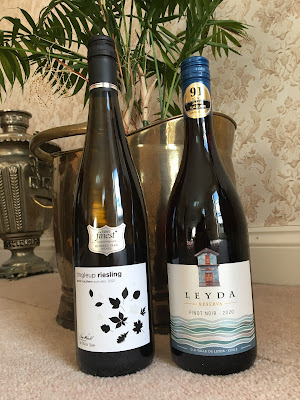
Tesco Finest Tingleup Riesling, Australia (£9)

Made by Howard Park, one of Western Australia's most celebrated wine producers, from grapes carefully cultivated in the Great Southern region.

Through all of the wine making stages, the Riesling grapes are managed under cool temperatures, allowing them to retain natural crisp, refreshing lime and citrus flavours with subtle hints of white pepper.

aromatic and floral with orchard and white stone fruits; crisp, refreshing, nettley zippy lime with pineapple, sherbet and white pepper; saline mineral and persistent.

Drinks nicely on first pouring, opens up with some air and can be cellared.

Good.

Serve as an aperitif or match the freshness to aromatic Asia/ Pac foods, oily fish or pork rillettes.

Leyda Reserva Pinot Noir, Chile (£12)

Leyda valley is nestled in the rolling hills of Chile's coastal mountain range. Located just eight miles from the Pacific Ocean it has a distinctly cool maritime climate. The Leyda winery created a new D.O. in Chile by being the first to plant grapes there in 1998.

Before then the valley was best known for the iconic blue train station that connected the capital city of Santiago with the Pacific coast and the port of San Antonio. Today Leyda is home to some of the most elegant, expressive cool climate wines from Chile.

Viña Leyda was founded in 1998, in Leyda Valley, today recognized as the last great innovation of Chilean viticulture. Traditionally, Leyda Valley has been an area of natural pasture lands and basic crops such as wheat and barley. 

Along the coast there is a strong influence from the Pacific Ocean, which is particularly cold because of the Humboldt Current. Granite soil along small rolling hills with up to 30° incline. Single blocks receive different levels of sunlight, resulting in a variety of ripeness and unique characteristics from each vineyard.

crushed, dried red berries with wild herbs and spice; fresh, juicy ripe strawberries, red cherries and herbs with a delicate smokiness and tobacco; persistent with very fine tannins.

Drinks nicely on first pouring, opens up with some aeration.

Thoroughly enjoyable.

Match with Burgundian foods such as duck, escargots, beef bourguignon or coq au vin.

Sunday, 27 February 2022

Four Dinner Party Wines from Hill-Smith Family Vineyards

Four wines from Hill-Smith for a dinner party

I've long maintained that a pre-requisite for turning a meal into an event is to add an aperitif and a dessert wine.

Amuses bouches, a cheese course and a digestif then turn that event into a memorable evening, but the key difference between mere eating vs a dining event is the extended time to talk, to catch up and swap stories over drinks that do not necessarily accompany food.

These four wines from Hill Smith make for an instant dinner party assortment; there is a lean and zippy aperitif, a complex white for starters, red for main and a luscious dessert wine.

The all have New World fruit purity with a poised, adept, balance and tension.

Hill-Smith

The Hill-Smith family for over six generations have explored and planted exceptional vineyard sites to maximise the personality of the wines they produce.

The wines are a Marlborough Chardonnay from New Zealand, a Cabernet from the Margaret River coastline and two very different Rieslings, a dry Riesling and a Botrytis from Eden Valley to celebrate International Riesling Day (13th March). 

Aperitif

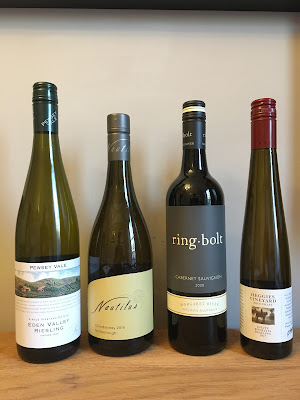
Pewsey Vale Vineyard Riesling 2020 (£15.99 – £17.99, Ocado, Hennings Wine Merchants, Specialist Cellars)

In the rugged, undulating high country of Eden Valley, 250 metres above the Barossa Valley floor, lies Pewsey Vale, a vineyard dedicated to Riesling. Named after the Vale of Pewsey in Wiltshire, the UK home of Joseph Gilbert who, in 1839 emigrated to Australia and in 1847 planted a one-acre site, thus establishing Eden Valley’s first vineyard and one of Australia’s first high-altitude cool climate sites. Today, Louisa Rose oversees the winemaking.

With lean soils, rocky outcrops, and finicky microclimates, it is not an easy vineyard to manage. Louisa manages each block according to its specific needs, whilst nurturing the surrounding fauna and flora, important to the biodiversity of the vineyard to ensure the wines are consistent and reflect the terroir of Pewsey Vale.

The 2020 is a classic example, showing the distinctive, generous flavours.

white stone fruits, pineapple, line, grapefruit and melonskin; fresh and pure ripe orchard fruits, topical citrus with savouriness, slatey minerality, zesty, aromatic green herbs and a hint of kerosene. Poised, precise and linear.

Very Good.

Drinks nicely on first opening; can be cellared.

Match with fresh oysters, seared scallops, salt and pepper squid, Thai beef salad or a tomato salad with fresh basil.

Starters

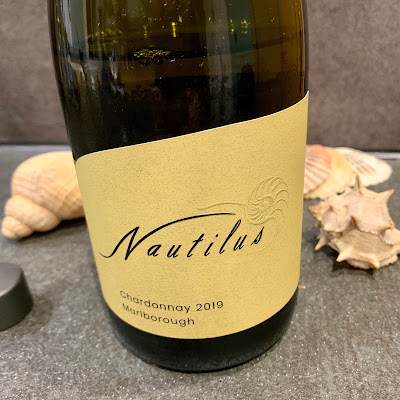
Nautilus Chardonnay 2019 (£23.99, Majestic, Specialist Cellars)

Nautilus Chardonnay is made with fruit from the Hill-Smith’s Renwick vineyard in Marlborough, New Zealand. The grapes are blended with a Burgundian clone from long-time growers and friends of the family, Jim and Debbie Greer.

In 2006, a dedicated winery was built for white wine, where every step of the winemaking process takes place. Less handling leads to better results and for this wine, the hand-picked grapes are chilled and pressed directly into barrel where it is fermented.

This hard-fought refinement of the winemaking process has led to no fining of the wine, making it vegan friendly.

Marlborough Chardonnay is known for its cool climate intensity and this one has great longevity and depth. 

orchard and yellow stone fruits, musky lime zest, white flowers and a toasty-savoury spiciness; fresh ripe peach and apricot, tropical guava, pineapple and lime marmalade; broad and savoury with toasty-oak spice, buttery-creamy oatmeal, brazil nut and a saline minerality.

Drinks nicely on first pouring and will gain complexity with cellaring.

Very Good.

A versatile food wine, match with smoked fish, coconut curries, roasted white meats, such as chicken or pork or cream-and-mushroom pasta or leek, mushroom and mustard chicken pie (try it in a pie).

Main
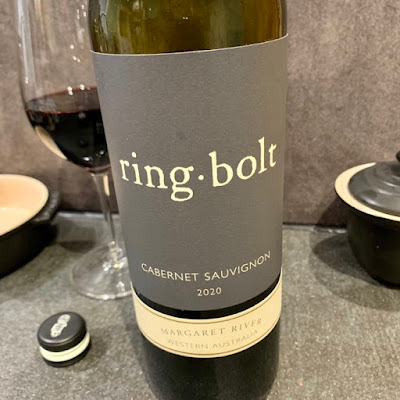
Ringbolt Cabernet Sauvignon 2020 (£10 Tesco)

A vibrant Cabernet from Australia’s Margaret River, a wine region embraced by two oceans, the Indian and the Southern; the temperate, maritime climate with high winter rainfall and sea breezes are wonderful growing conditions for Cabernet Sauvignon.

The grapes for this wine are grown on a small selection of sites with a range of aspects and soil types, and it is these variances and selective blending that provide Ringbolt with much of its complexity. 

expressive cassis, dark-berry fruits, violets and dark green herbs; blackberries, blueberries and ripe black cherry fruit with cocoa and spices; fresh, supple and savoury with ripe, rounded tannins.

Fruit-forward on first-opening, its savoury complexity becomes more apparent with aeration. Can be cellared.

Good.

Match with Angus roast beef or rosemary-and-garlic leg of lamb.

Dessert

Heggies Vineyard Estate Botrytis Riesling (Waitrose £14.99 / half bottle)


Heggies Vineyard is nestled in an idyllic place in the high country of Eden Valley at 500m above sea level. The grapes for Botrytis Riesling are grown on a gentle western facing slope, with trees providing shelter and a dam at the base of the vineyard which provides a gentle morning fog, essential for the development of the all-important Botrytis.

The grapes are selectively hand-harvested in two separate batches, the first is juicy with delicate Botrytis character, and the second develops further to give more concentration of Botrytis and flavour. 

The grapes are whole bunch pressed followed by cool fermentation to retain freshness and purity. The combination of innovative viticultural practises and its unique terroir result in a distinctive balanced wine with beautiful structure and long in flavour.

aromatic and floral with musky roasted butter peaches and sweet spices; fresh-yet overripe yellow stone fruits, pineapples pieces and orange marmalade with candied citrus peel and beeswax; rich, unctuous and complex.

Very Good.


Match with a cheeseboard, fruit tarts or roasted peaches. Also drink as an aperitif with a pâté starter.

***

Other reviews:

Joanna Simon on Nautilus Chardonnay: www.joannasimon.com 

And on the Ringbolt: www.joannasimon.com

Tom Canavan on the Pewsey Vale: Pewsey Vale, Riesling 2020 - wine-pages

Friday, 14 January 2022

Less-But-Better January

Two superior classic wines from Tesco for Less-But-Better January

What do you do after Christmas and New Year?

Dry January.

Try January.


There are plenty of options for anyone wanting to mix things up a little at the beginning of a new year

Whatever you choose to do, or not do, this month, there's much to be said for having less-but-better wine; it's an opportunity to try something different-yet-superior, without the pressure of ensuring that the assembled masses of family remain happy and content with wines they find familiar and reassuring.

Here are two wines from Tesco that are superior classics - well-made in a familiar style and great food matches.

Chardonnay is arguably the world's greatest white grape; its spiritual home is Burgundy but Western Australia's Margaret River makes it in a cool-climate European style; vines were first planted in the region in the late 20th century, so it is very much the New New World.

Chardonnay grows in a wide-range of climates, from chilly Champagne to sunshine-in-a-glass outback; cool-climate Chardonnay with a bit of new oak shows florality and vanilla spice.

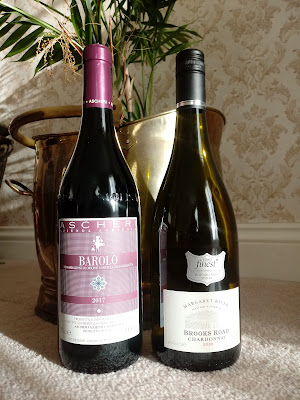
Aristocratic Barolo is Italy's answer to Pinot Noir; from the Piedmont region of North-West Italy, it is made from the Nebbiolo grape and produces a red-fruited, juicy and fresh wine with earthy, hedonistic aromas.

Tesco Finest Brooks Road Chardonnay (£15)

Made from premium Chardonnay grapes grown in Margaret River, one of Australia's most celebrated wine regions.

Dry with complex notes of stone fruits and vanilla oak with an elegant minerality and a classic, balanced lengthy finish.

floral, honeysuckle with white stone fruits and vanilla; melon, white peach and orchard fruits with zesty lime curd, savoury, creamy complexity and cool, minty menthol; saline, mineral and long. Very adept and well-made.

Very Good.

Improves with aeration and will repay some cellaring.

Match with fresh seafood, pasta or grilled fish.

Ascheri Barolo D.O.C.G (£23)

The Nebbiolo grapes, from La Morra, Verduno and Serralunga d'Alba, are harvested in the first half of October and fermented in stainless steel tanks for about 2 weeks. After 6 months in stainless steel tanks, the wine is aged in oak for 22 months, followed by an aging in the bottle of at least 12 months before releasing. 

fragrant and floral with cherries, dried cranberries, red berry fruit and old leather, spice and woodsy sous bois; fresh and supple with ripe, dried red berry fruits, cedar, aromatic black tea tannins and menthol; long and harmonious with firm yet very fine tannins.

Very Good.

Drinks well on first pouring but benefits from aeration and will age.

Match with darker game, such as venison or duck, also lamb shoulder with rosemary.

***

The Ascheri is also reviewed by Paula Goddard who calls it a "top-notch Italian Barolo ... a nice example": Ascheri Barolo 2017 review - WineUncorked: Wine Reviews and Tips

Saturday, 8 January 2022

The CWB Co-op Southern Hemisphere Chardonnay-Off

Two southern hemisphere Chardonnays from The Co-op

Oaky Chardonnay might be a bit Bridget Jones, but it is one of the world's great grape varieties and styles.

It all started with white Burgundy and Chardonnay's affinity to new oak; a relatively neutral grape, it is fresh, savoury and food-friendly when made in a cool-climate; oak-aging adds to the flavour profile and complexity.

The reason New World Chardonnay went out of fashion was more to do with too many overripe, over-oaked versions than any inherent weakness and, increasingly, the New World is making it in a cooler, more restrained, gently oaked Burgundian style.

Just without the price tag.

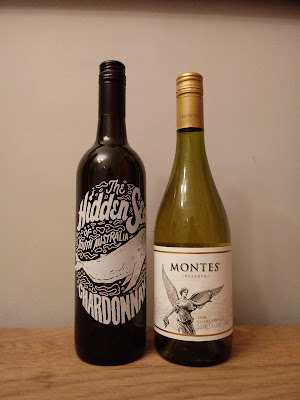
The Hidden Sea recycle 10 plastic bottles from oceans and rivers for every bottle of wine sold; if that isn't a reason to drink their wines, I don't know what is.

You won't find too much technical information about the wines on their website, but there's plenty about their ambition to remove plastic from the oceans and how they are going about it.

It may be something of a cliche but passion is the best brand.

Montes Reserva Chardonnay, Chile (£8)

ripe tropical pineapple and melon fruit, toasty vanilla oak and creamy brazil-nut savoury leesiness. Fresh and mineral; supple, harmonious and well-made.

Good and Good Value.

A versatile food wine, match with herby sausages, roast chicken or wiener schnitzel.

The Hidden Sea Chardonnay (£8)

aromatic floral with musky melonskin and some sweet spices; ripe peach and apricot with butterscotch, creamy brazil nut and a hint of toasty oak; fresh and saline-mineral with good savouriness. Very well made and harmonious.

Drinks well on first pouring and further improves with aeration.

Good and Good Value.

Another versatile food wine, match the freshness to cream cheese starters, white fish or plain roast white meats.

Where next?

If you like these wines and want dive deeper into Burgundian Chardonnay, look at:


The CWB International Chardonnay-Off - Chardies from all over the world: The Cambridge Wine Blogger: The CWB International Chardonnay-Off


***

Note on pricing:

The Montes Chardonnay is reduced from £8 to £7 until February 1st 2022.

Hidden Sea mission:

The Hidden Sea Chardonnay is part of The Co-op's vegan range and suitable for anyone doing Veganuary.

This is their story:

We exist for socially conscious consumers who love great tasting wine, and want to feel a part of something bigger than themselves. We remove and recycle 10 plastic bottles from oceans and rivers for every bottle of wine we sell.

WHY DO WE DO THIS?

Because we want to leave the world better than it was when we came in, and our wines carry a heritage born from the sea. 26 million years ago, South Australia’s incredible Limestone Coast was submerged by a vast ocean that was home to a thriving marine ecosystem.

A series of dramatic ice ages caused the ocean to recede, leaving the area rich with deep limestone deposits containing majestic marine fossils. Ancient mineralised relics, and an extensive museum of marine life, now lay buried beneath the alluvial soils of this World Heritage site.

One of these relics is the fossilised remains of an ancient whale which contributes to the rich, fertile soil in our vineyard. It also provides a natural and unique filtration system - perfect for growing the grapes that produce our award-winning wine.

So that’s our story.

Sunday, 5 December 2021

Languedoc Fizz and Aussie Red from Tesco

Languedoc fizz and Aussie red from Tesco

Crisp fizz and Big Red is a classic combination for any meal.

Fizz always creates a sense of occasion and this Blanquette de Limoux is ripe enough to work with a starter.

Western Australia's Vasse Felix is a pioneer of elegant, complex, food-friendly, European style wines in a corner of Australia cooled by three oceans.

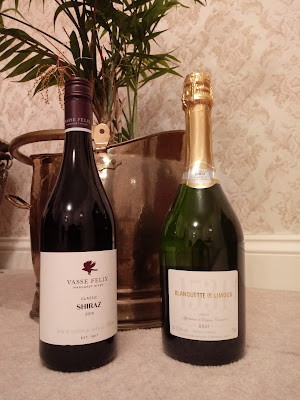
Tesco Finest 1531 Blanquette De Limoux (£9.50)

Blanquette de Limoux was first created in 1531 in Languedoc-Roussillon by Benedictine monks; Mauzac and Chenin grapes are blended and aged in bottle for 12 months to produce complex flavours of peach, green apples and a toasted brioche finish.

The Limoux Vineyard covers 2000 hectares and is located in the Pyrenean foothills 20km from Carcassonne.

12.5%, vegan, hand harvested grapes, aged for 12 months. Decanter Commended.

orchard fruits and toasty brioche; ripe white stone fruits, green apples and pears, citrus, florality and Brazil nut; fresh and savoury.

Thoroughly pleasant.

Serve as an aperitif, with as seafood starter or with light mains such as monkfish or plain roast white meats.

Vasse Felix Classic Shiraz (£12)

Shiraz (aka Syrah) with some Malbec in the blend; estate-grown fruit from Vasse Felix's four Margaret River vineyards, matured in barriques for 12 months imparting balance, complexity and softness,.

Each vineyard farmed sustainably using traditional and organic practices, nurturing the soils to achieve better plant health and balance resulting in higher-quality fruit.

Established in 1967 by regional Pioneer Dr Tom Cullity, Vasse Felix is Margaret River's founding wine estate. Since day one Vasse Felix has always strived to explore and express the very best of the Margaret River region and to share it globally. 

damson, spice, florality and inky pencil shavings; sweet, ripe cassis, prunes and juicy black cherries with sweet vanilla spice, wild raspberry, loganberry, and white pepper; rounded and perfectly ripe tannins; fresh and savoury.

Good.

Match with roasted red meats, beefy pasta dishes, cold cuts or a plate of salami and cheese.

Tuesday, 30 November 2021

Celebrate National 🎄🌳🌲Tree Week with 17 Trees

An Old-School Big Aussie Red from De Bortoli for National Tree Week

De Bortoli is a family-owned Australian winery established almost a century ago; in 1924, Vittorio De Bortoli journeyed from Castelcucco in the Venetian hinterland to New South Wales where, after working hard and living under a rain water tank for some time, he is joined by his fiancée, Giuseppina in 1926.

In 1928, he purchased a 55 acre mixed fruit farm; that year there is a glut of shiraz grapes and many farmers see it cheaper to let them rot. So, Vittorio takes them for free and crushes 15 tonnes of shiraz grapes which local Italians and other European workers in the area offer to buy off him.

De Bortoli Wines is born.

Roll forward to the 21st century, and De Bortoli’s early sustainability project sees them planting 17 trees for each company vehicle to offset the carbon effects of the fleet.

Today 17 Trees is a brand that has a purpose; it is a collaboration with the company's suppliers, distributors, customers and consumers to plant trees for a sustainable future

The 17 Trees range now plants a tree for every six bottles sold and has hit the milestone of planting 50,000 globally since launch in 2020.

The 17 Trees website includes three fun facts about trees:

HOW MANY TREES ARE THERE IN THE WORLD?

Globally, there are estimated to be 3.04 trillion trees. Trees help clean the air we breathe, filter the water we drink, and provide habitat to over 80% of the world's terrestrial biodiversity. That's why with every 6 bottles of 17 TREES wine purchased, we pledge to plant 1 tree for a sustainable future.


HOW MANY TREES ARE REQUIRED TO OFFSET THE AVERAGE PERSON’S CARBON FOOTPRINT?

Australia has an average per capita footprint of 17 tonnes per year. To work out your carbon footprint, multiply 17 tonnes with your age to get the ‘carbon dioxide equivalent’ value of tonnes CO2 (assuming also that your carbon footprint as a child was equal to that of an adult).


HOW MUCH CARBON DIOXIDE DOES A TREE ABSORB?

A mature tree can absorb more than 22kg of carbon dioxide each year, removing and storing the carbon while releasing the oxygen back into the air. Purchase 6 bottles of 17 TREES = 1 tree = Removing 22kg of carbon dioxide per year.


17 TREES Shiraz (£9.99, Waitrose, Amazon)

Made from fruit grown sustainably in Heathcote, just north of Melbourne; sees some new oak and weighs in at almost 15% alcohol.

dark-fruited, tarry and spicy with a slightly grilled edge, scrubby herbs and violets; baked, pruney, blackberry and black cherry fruit with and black olives, oaky spice and dark chocolate. Warming and lifted  with rubbed sage and porty eucalyptus. Long, concentrated and inky with rounded, grippy and slightly drying tannins.

Thoroughly enjoyable.

A big wine, this will match with char-grilled red meats, barbecue foods or possibly even a red-meat curry such as rogan josh.

Postscript

I left this in the fridge overnight; pouring a glass and unable to wait until the chill had properly dissipated, I found it tasted of ripe, spicy, minty blackcurrant sorbet. In a very delicious way.

Monday, 29 November 2021

The CWB Aussie Red-Off

A five-way Australian Red-Off: three wines from Tesco, plus Yalumba and Vasse Felix

Once a byword for "sunshine in a glass", that became increasingly monolithic fruit bombs, Australia is discovering European-style fresh, savoury complexity.

Here are five Australian reds that have plenty of easy-to-enjoy fruit, but also enough complexity, and food-friendly freshness.

More a continent than a country, Australia is not only one of the few places that can successfully make varietal Cabernet Sauvignon, without the need for blending, but actually has two areas where Cab thrives - Coonawarra in South Australia's Limestone Coast and Western Australia.

These five wines are are a mix of:

- two varietal Cabernets
- two Cab-Shiraz blends and 
- one varietal Shiraz


Cab-Shiraz Blends

Penfolds Max's Shiraz Cabernet, 2019, South Australia (£20, Tesco)

Max's Shiraz Cabernet Sauvignon displays the Penfold's 'stamp' inspired by Max Schubert, a winemaking legend in Penfold's history who was the company's chief winemaker from 1948-1975. 

Aged for 12 months in French and American oak.

dark fruits, green herbs, peppery spice and graphite with mushroomy sous bois; generous, supple and plush, with dark berries, plums bramble fruits and cherries, minty eucalyptus and oaky vanilla spice; rounded and firm, well-integrated tannins; long and savoury

Good.

Drinks well on first opening; opens up further with aeration and can be cellared.

Match with beefy dishes, such as casserole, ragù alla bolognese or burgers.


Yalumba The Signature 2016 (£35, Majestic, Waitrose Cellar, Fine & Rare Wines)

Yalumba, Australia’s oldest family-owned winery has been making Cabernet-Shiraz blends for over half a century. The Signature was first made back in 1962, taking inspiration from Bordeaux winemakers who added small amounts of ‘other’ grapes to bring out the best in their cabernet wines.

Yalumba’s winemaker Kevin Glastonbury, who has been making The Signature for more than 20 years, describes it as a “Yalumba icon”. Every vintage of The Signature is individual, each reflecting the influence of vineyard differences and vintage conditions while maintaining a high level of quality and bringing The Signature landmark style.

The Signature is made using the best fruit of the vintage. The Cabernet Sauvignon, which makes up 53% of the blend, comes from four vineyards in the Barossa Valley and provides the rich, lifted Cabernet Sauvignon aromatics and palate structure for which The Signature is renowned. The Shiraz components include plantings of varying vine age; the oldest were planted in 1925. 

tarry-plummy dark fruits, minty eucalyptus, florality and complex oaky spice and sous bois; fresh and inky with black olives, ripe black and bramble fruits, cassis, sage and scrubby garrigue herbs, graphite and supple, very fine, rounded and well-integrated tannins. Dense and concentrated, deft and nuanced with very fine detailing. Very long.

Very Good.

Drinks nicely on first opening, opens up with extensive aeration and can be cellared for up to fifteen years.

Suggested food match from Yalumba: ham with a sweet orange and mustard glaze, served warm with some crusty bread and a glass of Yalumba The Signature 2016.

Match the sweet and salty flavours with the balance and fruit sweetness of the wine; this is a perfect classic festive food and wine pairing. 

For festive glazed ham, in eight easy steps, see the recipe below and watch Robert Hill-Smith and Nick Waterman cook their version here:


Varietal Cabernet Sauvignon

Wynns The Siding Cabernet Sauvignon, 2019, Coonawarra (£15, Tesco)
From a winery built 1896 on Conawarra's terra rossa soils in South Australias limstone coast. 
founded by pioneer John Riddoch, The wine is named after the railway siding - a local landmark that played a defining role during Coonawarra's early settlement. Completed in 1898, 'The Siding' was responsible for transporting around 600 hogsheads of wine a year to Adelaide

ripe dark berries and bramble fruits, oaky spice and some florality; supple cassis, baked blueberry and black olives with minty green herbs and liquorice; ripe, rounded and very well-integrated tannins; savoury, fresh and elegant. Very harmonious and adept.

Good.

Drinks well on first opening; further improves with aeration and can be cellared.

Match with rare roast beef and horseradish, or rack of lamb.

Vasse Felix Cabernet Sauvignon 2018 (£30 Direct Wine, Harvey Nichols, Australian Wines Online, Bonafide Wines, Vinvm. Ltd, Wine Direct, Connolly’s Wine Merchant, Averys, Laithwaites, The Secret Cellar)
Vasse Felix made their first Cabernet Sauvignon in Margaret River in 1972, from the vines planted by regional pioneer Tom Cullity in 1967 when the winery was first founded, and this wine has been made every year since.

The blend also includes some Malbec and Petit Verdot.


tarry dark fruits, lifted blackcurrant, violets and complex, oaky vanilla spice with leathery, truffley sous bois; ripe, juicy cassis, bramble fruits, liquorice, tobacco leaf, balsamic and ripe, well-integrated tannins. Supple, adept and harmonious.

Very Good

Match the blackcurranty fruit to rosemary-and-garlic lamb shoulder or barbecue foods on first opening. 

 Alternatively, decant for serval hours and match with beef dishes or savoury pates.

Cellar for several years for something to drink with darker game, truffles or mushrooms.

Varietal Shiraz

Bird In Hand Two In The Bush Shiraz, Adelaide Hills (£14, Tesco)
Made by Master of Wine Kym Milne.

Aged in tight grain French oak for 16 months, our 'Two in the Bush' Shiraz has rich aromas of vanilla, blackberry and a hint of chocolate which resonates on the palate. This medium bodied Shiraz displays the elegance and complexity of cooler climate red winemaking.

This cool climate Shiraz was harvested early in April from a hot, dry summer followed by a particularly mild autumn. These conditions favoured more medium bodied, structural and aromatic red wines. Made using open fermentation vessels this Shiraz was then aged in new (20%) and older French oak barrels for 12 months. 

Situated in an area of the Adelaide Hills that was littered with goldmines in the 1800s, the Bird in Hand winery was purchased and planted in 1997 by Andrew Nugent. Andrew has kept the close historical links alive both in the naming of the winery and their wine ranges; Two in the Bush and Nest Egg were the names of mineshafts in the Bird in Hand goldmine. From vineyards in Woodside and Clare, Bird in Hand produce classic examples of cool climate Chardonnay and Shiraz that have won world acclaim.

The seaside influence of the Gulf of St. Vincent, the cloud-trapping rise of the Mount Lofty Ranges and plenty of Australian sun all combine to create a special diurnal temperature shift that the grapes love.

juicy black fruits, cassis, black cherry and blackcurrant with black olive, pepper and aromatic green herbs; juicy, fresh, pure and supple with very fine, well-integrated tannins.

Good.

Very closed up on first opening; benefits from extensive aeration and will repay some cellaring.

Match with roasted red meats, such as garlic-and-rosemary lamb shoulder.