Popular Posts

Showing posts with label Bordeaux. Show all posts

Friday, 8 July 2022

Calvet Kitchen

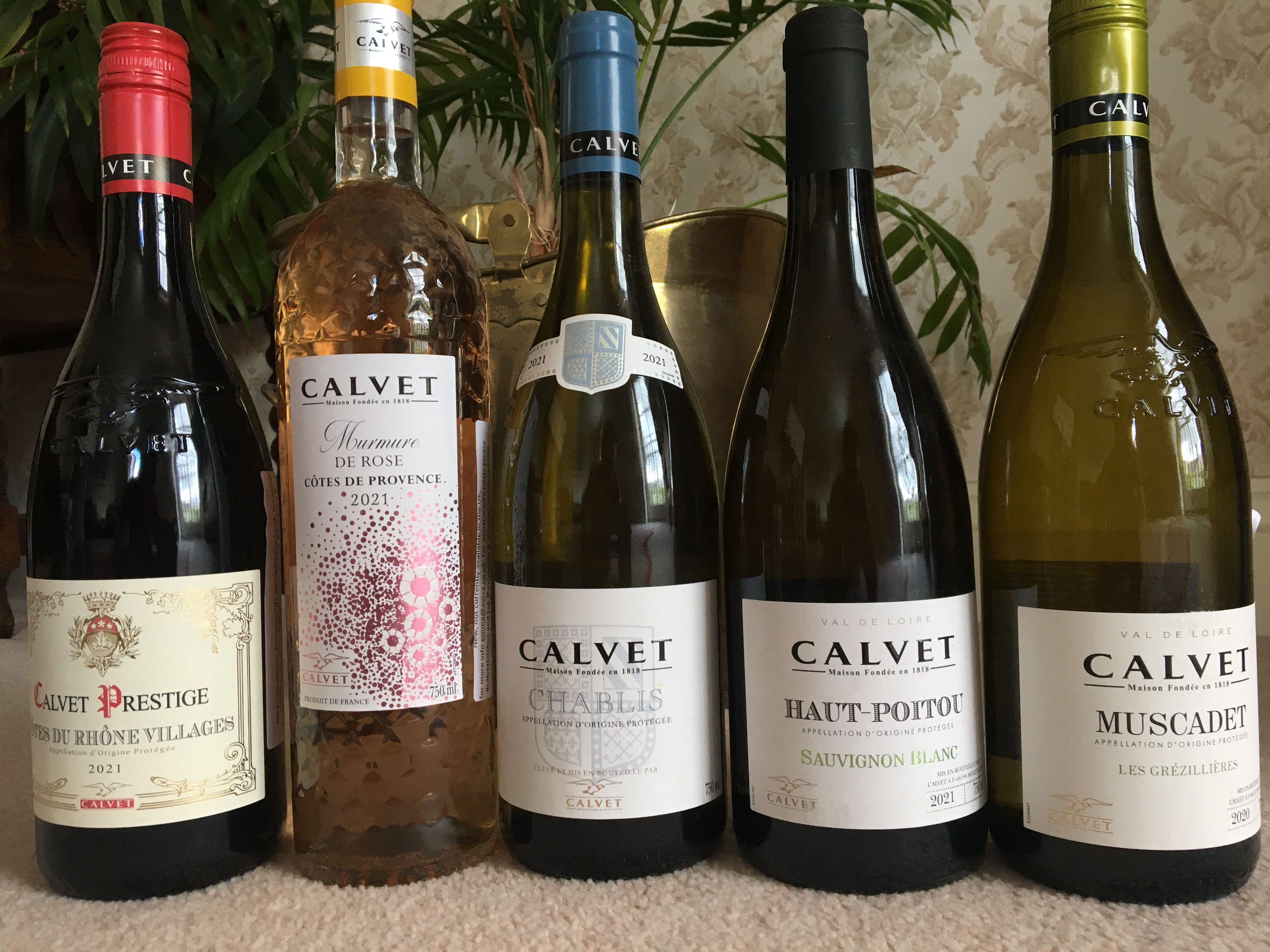
Six wines from France's Calvet - and the Calvet Kitchen experience

If you know Calvet's wines, it is probably for their range of easy-drinking and inexpensive Bordeaux. And if you don't, you probably should, as they are the largest French wine brand in the UK and the UK is Calvet's largest market.

But Calvet turns out to be a lot more than just Bordeaux; established over 200 years ago, the company makes wine in almost all of France's major regions.

Calvet Kitchen is a food-and-wine matching initiative to pair regional French dishes with Calvet wines; which is, after all, when French wine is all about.

With 64 winemakers in 7 regions, Calvet is a diverse business and yet all the wines here had a family resemblance that reflects Calvet's aims - an elegance and easy-drinking freshness with plenty of food-friendly mid-palate.

These wines all drink well on first pouring, but also open with aeration and have the body and complexity to stand up to food.

Loire-based winemaker Pierre-Jean Sauvion explained his approach:

- quality of fruit

- balance of fruit and freshness

- food-friendly salinity

The wines were all of broadly similar quality and, the Chablis aside, price, so preferences come down largely to personal taste.

Of the whites, I enjoyed the Chablis most, but given the price difference, the Muscadet makes a good value alternative.

Of the other colours, the CdRV was the most substantial and interesting.

The Calvet Kitchen playlist archive is here:

Calvet Kitchen | Meet Guillaume Lassevils, chef in the Bordeaux region - YouTube


Calvet Muscadet 2020, abv 12%, (£5.95-7 Sainsbury’s, Tesco, Co-op)

Grown on warmer sandy soils, resulting in more ripeness in the wine.

minty and floral with tropical fruit; fresh, rounded and saline with pear and white stone fruits

Thoroughly enjoyable.

Match with seafood and freshwater fish.


Calvet Haut Poitou 2021, abv 11.5%, (£10.99 Waitrose)

A new appellation to the south of the Loire around an hour from Saumur, it was created in 2011 but has a long history dating back to the 14th century. The soils are part of the same chalk limestone that runs under Champagne and moderates the water table which is key to the condition of the grapes.

Loire Sauvignon with a new world nose, but old world palate.

expressive and exuberant; gooseberries, exotic fruits and mintiness; juicy citrus, ripe green fruits and herbaceous, minty, zippy lime,

Thoroughly enjoyable.

Matches well with fresh tomato-based dishes.


Calvet Chablis 2021, abv 12%, (£20 Ocado)

Grown on chalk soils with 80% fermented in stainless steel for freshness and 20% in barrel for complexity.

stone fruits, peaches an dapricot; green apple and grapefruit, with lemon zest, fresh coriander and salinity.

Thoroughly enjoyable.

A versatile food wine, serve as an aperitif or match with starters and lighter mains.


Calvet Murmure de Rose Côtes de Provence 2021, abv 12.5% (new)

Newly-launched in the UK; night-picked for freshness with a short maceration; fermented in stainless steel for freshness.

red fruits, mint and spice; fresh, fruited and textured with red berries and salinity.

Sip as an aperitif or match with picnic foods.

Calvet Prestige Bordeaux Red 2020, abv 14%, (£7.50-£8.50 Sainsburys, Ocado, Co-op, Tesco)

80% Merlot with 20% Cabernet

red and dark berry fruits with vanilla spice; fresh with juicy, ripe and fleshy berry fruits; fine tannins and leafy, savoury, mushroomy flavours

Thoroughly enjoyable.

Match with red meats, such as bbq burgers or char-grilled steak.

Calvet Prestige Côtes du Rhône Villages 2021, abv 14%, (£7.50 Tesco)

Classic Rhône GSM blend

dark fruits and spices with garrigue herbs; substantial, fresh and supple with gentle tannins; harmonious and adept

Thoroughly enjoyable.

Match the freshness to meaty fish, such as salmon or rare tuna steaks.

Sunday, 22 May 2022

Supermarket Crisp White And Big Red

An Austrian Crisp White from Morrison's and Big Red from Lidl

Bordeaux was my first oenological love - we had taken a weekend break to northern France in the car and decided to bring back a few bottles with us. They cost the equivalent of a few pounds each and I had plucked them off the shelves pretty much at random, but back home every bottle we opened was at least thoroughly enjoyable if not rather better and I realised that I actually liked wine (or French wine bought in France, to be specific) a lot more than the generic UK-brewed beers and lagers I had previously consumed.

Not long afterwards, I took on a high-travel role that saw me visiting Vienna most months; to fend off the boredom of endless evenings with just a newspaper's business pages for company in one of the world's great cities, I started eating (and drinking) at slightly better restaurants and developed a taste for Michelin-quality food and high-end Austrian wines.

It's easily done when the company is paying for you.

So, Austrian Gruener and red Bordeaux remain my go-to for a brace of enjoyable wines to accompany a meal.

I met Markus Huber a couple of times at various tastings and was impressed by the quality of his wines - for Morrison's to get his wine and stock it at around £7 is no mean feat.

This purchase was a chance find - I happened to be in Morrison's and it happened to be marked down by a few pounds; I now wish I'd bought more, but I can say that of many wines in my makeshift cellar and I still have more than I can get through.

The Lidl Bordeaux was recommended by Richard Bampfield MW; I have reviewed it previously, but the 2017 now has a bit more bottle age and can be viewed with some perspective.

I bought  a case each of the 2016 and 2017 when they were on special offer; the '16 is the better vintage but the '17 being lighter and fresher is ready for drinking sooner (on this tasting, it will still benefit from a few more years).

I decanted the red around an hour before the meal; with hindsight, this was too little. It can take (and will benefit from) several hours in the decanter to soften the tannins and allow the fruit to come to the fore.

The Gruener was chilled and aerated; it shows well on first pouring and doesn't require decanting, but  it does improve greatly with more air.

Morrisons The Best Gruner Veltliner 2019, Niederoesterreich (£7.50, Morrison's)

citrus, orange blossom and honeysuckle, stone fruits, white pepper and crushed slate; crisp and fresh with lemon-lime, pineapple, fresh yellow stone fruits and orchard fruits; white pepper, minerality and some dried green herbs.

Thoroughly enjoyable.

A versatile food wine, match with picnic foods, a wide range of starters, meaty white fish or roasted white meats.

Lidl Saint Emilion Grand Cru (£11.99, Lidl) 

bramble fruits, plums cherries and pencil shavings with oaky spice; soft and supple with cherry fruit coffee grounds and spice; firm, slightly grippy tannins.

Thoroughly enjoyable.

89 points from Richard Bampfield for the 2016 vintage.

Match with midweight dishes, such as pork rillettes, salami or roast chicken.

Saturday, 16 April 2022

Food and Wine Matching with Kindling Restaurant - Slow Roast Shoulder Of Mutton With Carrot, Tomatoes And Red Wine

A lamb recipe from Kindling Restaurant, Brighton - with some classic wine matches

Kindling Restaurant in Brighton is about more than just the delicious food, it is a community of people: staff, customers and suppliers all sharing and celebrating local produce. Nature writes the menu as the seasons inspire the dishes. Kindling is featured in the Michelin Guide and is a member of the Sustainable Restaurants Association.

Facebook: https://www.facebook.com/KindlingBrighton @KindlingBrighton
Instagram: https://www.instagram.com/kindlingrestaurant/ @KindlingRestaurant

The Food - slow roast shoulder of mutton with carrot, tomatoes and red wine

Perfect for Easter or a Mother’s Day gathering, why not try Kindling Restaurant’s slow roast mutton shoulder as a centre piece for your table. A classic combination of seasonal flavours from Chef Toby Geneen’s childhood, this dish is rich, comforting and perfect for a family celebration.

Kindling’s ethos centres around seasonal produce and ethical farming. Here, the traditional spring lamb is replaced with a piece of regeneratively farmed mutton. Regenerative agriculture is a farming system that aims to restore and improve the countryside. When it comes to sheep this means rotating their grazing and uses practices such as planting herbs into the fields to enhance the health of the herd. This has the added benefit of enhancing the flavour.

Mutton is typically four to six years old. Being a matured meat, it has had plenty of time outside allowing it to develop a generous fat content and deep gamey flavour that just isn’t present in the younger lamb.

At the restaurant the mutton is sourced directly from a local farm, Saddlescombe, located on the Sussex downs. To source high quality mutton, speak to your local butcher or farm shop.

Chef Toby Geneen: credit Jo Hunt
The Wines

Roast lamb and Big Red is a classic match; ripe-yet-fresh wines will have the body and acidity to stand up to the richness of lamb.

All these wines will benefit from a couple of hours in the decanter before serving.

Torres Altos Ibéricos Rioja Crianza (£11.99, Waitrose)

red and bramble fruits with complex oaky spices; dark cherries, black raspberries and ripe red plum with leather and earthy tobacco; fresh, substantial and intense with firm but fine tannins.

Chateau La Raze Beauvallet Medoc Cru Bourgeois 2016 (£14.99, Virgin Wines)

A medal-winning Cru Bourgeois Bordeaux from the Medoc; outstanding 2016 vintage and has some bottle age that will match well with the gaminess of the mutton.

bramble fruit, blackcurrant leaf and earthy, toasty cigar-box with some evolved, leathery complexity; dark berries, plum fruit, dried green herbs and toasty spice; complex and savoury; fresh, supple and elegant with very fine, perfectly-ripe tannins.

Wynns The Siding Cabernet Sauvignon, 2019, Coonawarra (£15, Tesco)

ripe dark berries and bramble fruits, oaky spice and some florality; supple cassis, baked blueberry and black olives with minty green herbs and liquorice; ripe, rounded and very well-integrated tannins; savoury, fresh and elegant.


The Recipe

Ingredients:

1 whole mutton shoulder, on the bone (1.8 - 2kg)
5 echalion shallots, halved and peeled
10 ripe plum tomatoes, halved with the white core removed
5 large carrots, peeled and thinly sliced
1 head of garlic, divided into cloves, but not peeled
1 tbsp olive oil
Sea salt
1 bunch of thyme, tied
3 sticks of rosemary, tied
3 bay leaf
500 ml red wine
500 ml chicken stock

Method:

Preheat your oven to 130C.

Mix all the vegetables together in a roasting tray with a little salt and olive oil. Spread them out into a bed for the shoulder. Tuck the herb bundles underneath the meat and pour your wine and chicken stock over the vegetable bed. Slow roast for 4 hours uncovered, topping up the liquid with a little water if the stew becomes too dry.

Remove the tray from the oven and put meat to one side to rest, ideally with a clean tea towel on top to prevent it from cooling too much. Remove herb bundles from the sauce by giving them a little shake.

Carefully pour or spoon the sauce into another pan, then simmer for 10 - 15 mins until thickened. Season with some salt if it needs it, then arrange in your serving dish and top with the mutton, carved or pulled apart. Serve with mash potato and seasonal greens.

***

Here is WineMatcher Fiona Beckett's recommendations for lamb-and-wine matching:

Friday, 18 February 2022

Bordeaux Wines With Chinese New Year Foods

Five wines for Chinese New Year foods from Bordeaux

Five wines from Bordeaux to go with Chinese foods; none of them are red. And they include a fizz and a dessert wine.

Food matches and tasting notes from Bordeaux Wines UK.

Bordeaux intro

Bordeaux is one of the great wine regions of France and therefore of the world.

Rightly most famous for its reds, it also makes excellent dessert wines, top whites and good fizz.

The best value-wines are perhaps the stickies; painstakingly produced and yet deeply unfashionable, they are seriously under-priced.

Bordeaux fizz is also something of a bargain; it is made via the traditional method of in-bottle fermentation, but is somewhat riper, more fruited and cheaper than Champagne.

Bordeaux and Chinese food

The festivities may be over, but there’s no reason why you can’t enjoy Chinese food all year round! 

With the year of the Tiger only just beginning, discover just why choosing a white wine from Bordeaux will earn you your stripes this year.

The Chinese Year of the Tiger started on Tuesday 1st February. But if you enjoy Asian food all year round, you might be wondering what wines pair well with Chinese dishes?

With so many different regional cuisines, typically delivering bold flavours, umami depth and chilli heat, all of which are notoriously difficult to pair, finding the perfect pairing can be tricky.

From lively crémants to rounded, stone fruit-scented dry whites that deliver great value, Bordeaux’s white wines offer a thrilling array of great quality styles with depth of flavour and racy acidity that make them a great match for oriental cuisines.

Here are our top 5 matches for the Year of the Tiger and beyond.

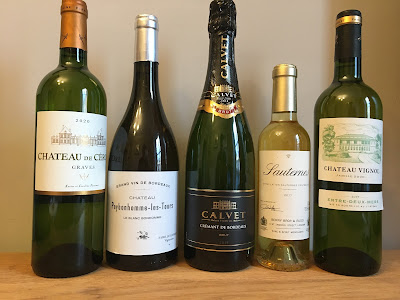
Calvet Crémant de Bordeaux Blanc (£12, Ocado)

Pair with Salt & Pepper Chicken

This traditional method sparkling wine made from Sémillon and Cabernet Franc is fresh and fruit-forward with a ripe, appealing palate, offering notes of pear, peach and honeysuckle.

Presenting an attractive mousse and a lively acidity, this Crémant works perfectly with breaded fried dishes such as salt & pepper chicken.

Château Vignol, Entre-deux-Mers (£13.80, Friarwood)

Pair with Pan-fried Seabass with Ginger & Spring onion 

This dry white blend of Sauvignon Blanc, Sauvignon Gris, Sémillon & Muscadelle offers plenty of complexity yet is still fresh and vibrant. The wine offers aromas of apple, pear and melon, which carry on to the palate met by a refreshing citrus note which matches perfectly with this Asian style fish dish. 

Château Peybonhomme-Les-Tours, Blaye Côtes de Bordeaux (£21.80, Q Wines)

Pair with Cantonese Aubergine

Not only is this oaked white from Blaye Côtes de Bordeaux organic & biodynamic, it is also vegan making it a great choice for vegan dishes such as Cantonese Aubergine.

A 50/50 Sauvignon Blanc/ Sémillon blend, this wine has a fresh, citrus acidity which balances perfectly the tropical fruits and subtle creamy notes from one third of the wine being aged in French oak barrels.  

Château de Cérons, Graves (£19.95, Lea & Sandeman)

Pair with Prawn Chow Mein

This elegant, richer style of dry white from Graves stands up perfectly to heartier dishes such as Asian Pork of Prawn Chow Mein.

This white Bordeaux is grown on classic Graves terroir made up of gravel and seashells. The result is a wine with a wonderful texture and notes of elderflower, blackcurrant leaf and ripe grapefruit, concluding with a refreshing mineral note.

Berry Bros & Rudd Sauternes by Château Climens (£14.95, BBR)

Pair with Crispy Pork Dumplings

From biodynamic sweet wine producer Château Climens in Sauternes, this elegant wine is made exclusively for Berry Bros & Rudd.

Delicate and refined, this classic blend of Sémillon and Sauvignon Blanc shows notes of orange blossom, toast and honey on the nose, balanced by a tingling acidity and a beautifully complex, refreshing finish.

It’s the perfect partner for rich, Asian dishes like pork dumplings as it cuts through the fattiness of the dish; it works equally well with sweet and sour sauces. 

Friday, 31 December 2021

Six Cru Bourgeois Wines

Six Bordeaux wines with Cru Bourgeois status

With #1 child home from university for Christmas and keen to learn a bit about wine, I suggested that she have some Bordeaux lessons.

Bordeaux, on France's Atlantic coast is one of the great wine regions of the world - but you knew that already, didn't you?

Bordeaux makes wine of all colours, but the reds are where it's at for wine enthusiasts.

Bordeaux is the overall, catch-all appellation; the more specific the sub-appellation, the better the wine - in general.

- Crus Bourgeois is literally the "middle class" of Right Bank Bordeaux wines; at the top end you have the Classed Growths, at the bottom everyone else

- the Right Bank of Bordeaux is the Medoc peninsula where the vines are majority Cabernet Sauvignon; Cab is blackcurranty and tannic, it has aging potential but can need a few years or some time in the decanter to become harmonious in its youth

- tannins are the "chewy", "grippy" feeling of a red wine, akin to stewed tea; drying on their own, they work well with the protein in red meats

- vintage matters in Bordeaux, perhaps more than anywhere else; the wines can range from baked and short-lived in hot years to lean and fresh in cold years

- the greatest years are typically Jancis Robinson's "rule of five": 2000, 2005, 2010, 2015 and 2020. Of recent-ish, non-5 years, 2016 - 2019 was a better run than the (mostly disastrous) 2011 - 2014.

Historically, Bordeaux was unapproachable in its youth and needed many years of aging to soften and become harmonious; when I used to buy wines in France as part of regular driving holidays, I still found that at under three years old, most red wines needed quite a bit of aeration.

At two to three years of age, these wines now all drink well on first pouring with good fruit showing straight away. Yes they improve with aeration and yes you could cellar them, but there is not quite the same need to buy wines to lay down for an extended period before even contemplating opening them up.

This style of earlier-drinking wines may be a more contemporary approach, but it certainly makes sense for everyone that a wine be enjoyably drinkable on release.

The quality of the fruit and wine-making is also very consistent here.

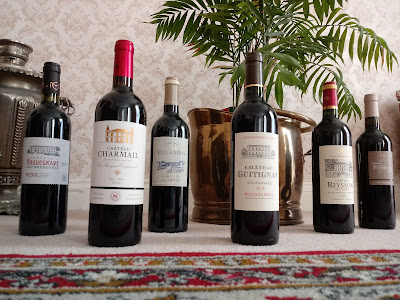
Chateau Reysson Haut-Médoc, 2018

Unusually for a Right Bank wine, this estate has a very high percentage of Merlot vines - over 90%. Merlot is low in tannins, generously fruited and plush.

red and black fruits, complex sous bois and spice; ripe, mouthwatering red and black cherry fruit, dried green herbs, spices and inky graphite; long, supple and harmonious with good, savoury underpinnings

Drinks nicely on first opening but improves with aeration.

Good.

Match the freshness to roast chicken or a plate of salami and cheese.

Château de Villambis, Haut-Médoc, 2019

cherry and bramble fruits, vanilla spice and sous bois; ripe-yet-fresh red and dark berry fruits with spices and graphite; supple and inky with very fine tannins. Long and very well-made.

Drinks nicely on first opening but improves with aeration.

Good.

Château Poitevin 2012, Médoc Cru Bourgeois (£17.95, Lea and Sandeman)

minty-herbaceous with dark bramble fruit, leather and complex oaky spice; fresh and inky with a dense muscular core. Supple with firm, fine tannins. Still very youthful and primary; will repay cellaring.

Good.

Match with rare roast beef or a steak.

Château Charmail Haut-Médoc, 2019

dark fruit and plums; fresh, ripe, juicy dark berry fruits with green herbs; fresh, harmonious and supple

Good.

Match the freshness to lighter game or pate.

Château Roquegrave Médoc, 2018 

dark fruit and plums with some forest floor; cherry fruited with spice, oaky vanilla, cigar box, and leather. Fresh and harmonious.

Good.

Match with salamis, pate or pizza.

Château Guitignan, Moulis-en-Médoc, 2018

complex oaky spice, dark berry fruits and leathery undergrowth; ripe dark fruits, savoury black olives and dark green herbs with leathery, mushroomy sous bois; concentrated, supple and inky with rounded, very fine, well-integrated tannins

Will gain further complexity with some cellaring.

Good+.

Match with rosemary-and-garlic lamb.

Saturday, 18 December 2021

Three Christmas Wines - Retro, Old Classic, New Classic

Three Christmas wines - Retro, Old Classic, New Classic

I've long argued that Christmas is not a time for wild experimentation or straying too far out of your comfort zone.

With multi-generational family gatherings, lots of cooking and the general weight of expectation, I prefer to reduce the stress levels by keeping wine choices fairly simple.

The most straightforward approach can be simply to have slightly better versions of what you normally drink - with plenty of it to go round.

Here are three wines for Christmas that meet that requirement and should keep all-but-the-fussiest of drinkers happy.

The retro choice - pale cream sherry

Sherry has been enjoying something of a revival, but pale cream remains an anomaly.

Stuck in something of a time-warp, pale cream was only created as a category in the late 20th century but remains something that only one's parents or even grandparents drink.

Essentially a sweetened fino, it is an easier sipper than bone-dry sherries, but like its darker, more complex sibling Cream Sherry, it has not quite managed to shake off its "Maiden Aunt" image, which is a pity as it is a lovely accompaniment to all sorts of slightly sweeter foods.

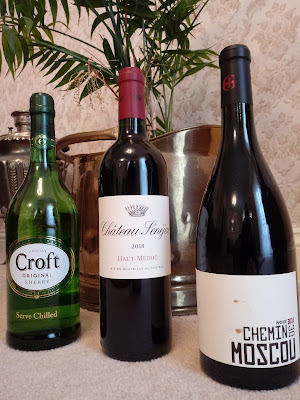
Croft Original Sherry (£12, The Co-op)

yeasty flor, blossom, white pepper and baked white stone fruits; honey, baked apples with sweet spice, white flowers and candied pineapple; warming, substantial, unctuous and complex, yet also mellow and harmonious.

Good.

Serve as a strong-sweet aperitif or match with blue cheese, roasted nuts such as Brazils, melon and parma ham or rich pâté, such as goose liver.

Also consider:

- spicy chorizo or in a Martini in lieu of Vermouth


The Old-School Classic - Bordeaux

Red Bordeaux was my first oenological love and it's a wine I just keep coming back to for its food-friendly, savoury freshness, complexity and aging potential.

Crus Bourgeois are the better wines of the Médoc sub-region of the Left Bank before you get into the stratospheric prices of the Classed Growths; expect just a bit more of everything but without the trophy-wine price tag.

These wine rub shoulders with some of the greatest and most expensive wines you can buy - and it shows.

Chateau Senejac Cru Bourgeois, Bordeaux, 2018 (£17.50, The Co-op)

Vintage matters in Bordeaux perhaps more than anywhere else apart from Burgundy; 2018 is generally considered an exceptional year that favoured the red wines with plenty of warmth.

black cherry and dark plum fruit with complex spice and woodsy sous bois; ripe bramble fruits, raspberry, blackcurrant and plum with minty liquorice and peppery spice; fresh, savoury and supple; long and complex with perfect ripe, very well-integrated tannins

Very Good.

Drinks nicely with plenty of fruit to the fore on first pouring; improves with aeration and has the ability to age.

Match with plain roast red meats or toad-in-the-hole.

The New Classic - Languedoc

From Europe's wine lake to perhaps France's most exciting and innovative region. And almost certainly once of its best-value areas, also scoring well for reliability given its plentiful sunshine.

Languedoc just keeps getting better and better.

Domaine Gayda's first vintage was less than 20 years ago; this 2019 is two-thirds Syrah with one-third Grenache plus some Cinsault making up the balance.

The wine is aged for 21 months in oak in a range of sizes and ages.

Domaine Gayda Chemin de Moscou 2019 (£25, Cambridge Wine Merchants and other independents)

dark purple with complex dark fruits, scrubby garrigue herbs, spice and leathery sous bois; full, supple and fresh with an inky texture, red and black fruits, violets, complex spices and cool mint; plush yet firm; harmonious with well-rounded tannins. Very long.

Very Good.

Drinks nicely with plenty of fruit to the fore on first pouring; improves with aeration and has the ability to age.

Match with garlic-and-rosemary lamb or chicken with a sage-and-sausagemeat stuffing.

***
The first two wines are currently on special offer at The Co-op until January 4th, 2022 :

Croft Original Sherry - reduced to £10.50 
Chateau Senejac Cru Bourgeois, Bordeaux, 2018 - reduced to £16.50

Saturday, 30 October 2021

Three Département Wines - And A Masterclass

Three new wines from Liam Steevenson MW's Département Wines, presented by Mark Pygott MW

I'll be honest, a Muscadet, white Bordeaux and Beaujolais have me thinking more of the '70s than of a new and innovative winemaker or region.

But as MW Mark Pygott explains, form is temporary, class is permanent. 

He goes on: the problem is that fame encourages the less scrupulous to cut corners that can damage the reputation (form) of the region. These wines highlight what made these AOPs famous in the first place - Quality, Distinctiveness & Drinkability.

The wines are part of the Vineyard Productions portfolio which I reviewed previously, here, and here and found to be very well made and sophisticated - as you would expect from a company founded and run by two Masters of Wine.

The intention for Département Wines is to show the best of what each region can do, not so much to be a benchmark but more of a benchmark-plus.

Département Wines follows the process established by Vineyard Productions in working with existing winemakers to make enhanced versions of existing wines in small-ish quantities initially, increasing volume over the years.

This allows Liam Steevenson to make wine across the globe without needing the capital to buy a winery; the winery gains an additional customer and access to an MW's technical input in a risk-free experiment.

Mark picks up the story on each wine.


No. 44 – Muscadet Sèvre et Maine sur lie, 2019

For many years, much of what was produced in this cool coastal region of Northern France was viewed as a poor person’s Chablis, but thankfully times have changed.

What was once cheap and occasionally cheerful has become a consistently reliable source of inexpensive refreshment, and one that deserves to accompany the briny oysters that are the signature entrée to any meal served at the Atlantic end of the Loire valley.

‘Reliable’ is fine for the majority, but we prefer to deal in the realm of ‘excellence’ and so have worked with a wine grower and winemaker who try very hard to push the level achievable with Muscadet to the limit.

Here we have texture, a result of the seven months our wine sat undisturbed above the lees. There is concentration, a reflection of these organically farmed old vines’ (planted in 1950 and 1987) habit of producing less quantity but increased quality.

And we also have a little bottle age, only a couple of years perhaps, but this has allowed the wine to grow into itself and become a benchmark for this Département.

white flowers, white stone fruits and vanilla; fresh and citrussy with orchard fruits, stone fruits, honeysuckle, herby fennel-and-dill and some sweet spices; savoury breadth and good underpinnings with mid-palate texture from lees aging.

Very Good.

Drinking nicely now; will age for another year or so.

Match with seafood, creamy white cheese or light starters.

No. 33 – Bordeaux Blanc, 2020

Brilliant and affordable red wines from Bordeaux…that was always going to be a challenge, but an outstanding white Bordeaux that doesn’t break the bank?

We knew we could do that. Bordeaux grows a lot of Sauvignon Blanc and as we have had plenty of experience with making world class Sauvignon in New Zealand, we were very keen to do the same here.

The minority partner to our Sauvignon is old vine Semillon, a variety which buffs the edges off Sauvignon’s angularity to give a wine rich in texture as well as aroma.

Our goal was to make a Bordeaux Blanc that performed like a fine wine but whose price tag was much less intimidating.

We believe we have done that; we hope you do too.

2 parts SB to 1 part Semillon from the Entre Deux Mers region; several hours' skin contact, fermented with a "Marlborough-style" yeast for lifted aromatics and aged in 100% new oak, the result is a Graves / Pessac-Leognan lookalike.

expressive and aromatic with classic lifted kiwi / grapefruity thiols; yellow stone fruits and tropical guava and pineapple; rich, broad and savoury with brazil-nut creaminess and some sweet, minty spice; good underpinnings, very long and harmonious.

Very Good.

Drinks nicely on first pouring, gains complexity with aeration; will age for several years.

Match with herby pork terrine, white fish with herbs or roast chicken.

No.69 Fleurie, Beaujolais

When people hear the word ‘Beaujolais’, the style of wine that springs to mind is generally one that is lithe and light, a quaffer or ‘vin de soif’ as the French would say.

Even when the famous villages are highlighted on the label, there remains the expectation that what you will taste might well be delicious, but it could also be rather simple. Well, we wanted something more than this.

Of course, ‘deliciousness’ was not something that we were prepared to sacrifice but we also wanted some scale and depth to our Fleurie to show the complexity possible from this famous ‘cru’.

By using fruit from the high slopes above the hamlet of Poncié, we have ensured that the fruit style is one rich in red fruit (due to perfect exposure to sunlight) but also framed by finesse (a result of the cool nights achieved at this altitude that allows the grapes to retain their perfume).

A period of ageing in some of the very best barrels and wooden vats was not done to add any obvious flavour or aroma but to add silkiness of texture.

This instantly creates the impression that you are in the presence of a Fleurie of the very finest kind, and therefore a rather regal representative of Département 69.

from a warm year giving 14% alcohol, lifted dark fruits, musky sous bois and spice; ripe, juicy dark cherries and elderberries with menthol-eucalyptus, sweet vanilla and a custardy-inky texture; vibrant, fresh and harmonious, complex and savoury with a slightly warming finish.

Very Good.

Match with roasted red meats, including venison, rosemary-and-garlic lamb or peppery roast beef.

Drinks nicely on first pouring and will age for five - 10 years.

Friday, 29 October 2021

"Green Bordeaux" Tasting

A tasting of Bordeaux wines with sustainability credentials, hosted by Bordeaux tutor and Master of Wine Lydia Harrison

Sustainability is a broad concept and can mean different things in areas such as the environment, the local economy and society.

This tasting revealed some of the work that Bordeaux winemakers are taking with different initiatives to make themselves more sustainable on all fronts.

It also showed that Bordeaux is adaptable and progressive, where no single sustainability approach works for everyone and that small, incremental changes can often be the best way for wineries to start their journey.

A key concern in Bordeaux is climate change which is resulting in more unpredictable weather, rather than simply higher temperatures. As an example, there have been two damaging late frosts in the last five years, compared to the long-run average of one every 20 years.

Around 75% of Bordeaux wineries are certified for sustainability in one way or another; these include:

- organic

- bio-dynamic

- Terra Vitis (continuous sustainability improvements)

- HVE (environmental high value)

- ISO (international standards)

Within Bordeaux €1m is being spent every year on sustainability research of which €400k goes on measures to reduce the use of pesticides with a 9% reduction in greenhouse gases.

There is a focus on innovation and adaptability to maintain the quality of vineyards for future generations.

Does organic wine actually taste different? It is impossible to tell, is Lydia's view as there are just too many other factors that cannot be controlled out.

My own view is that any winemaker ambitious enough to work organically is most probably seeking to make the best wine they can, so it's all part of a drive towards quality.

Organic farming is now becoming something of an important sub-category within wine and something that particularly resonates with a younger demographic.

The Bordeaux Wine Council's latest sustainability figures were reported in Decanter last month: Bordeaux sees sharp growth in organic vineyards - Decanter

Details and tasting notes from Lydia.

Agroforestry 

Château Roquefort 2020, Les Roches Blanches (100% Sauvignon)

Owned since 1976, the winery focused on forestry and organic / sustainable practices; only 45% of the land is vineyards with the remaining 55% given over to forests to improve bio-diversity. They also work on better vineyard management, reducing packing waste and Slow Tourism.

aromatic, herbaceous and slightly minty with exotic fruits; sappy and vinous with fresh, citrussy grapefruit, gooseberry and lime marmalade and excellent underpinnings. Persistent, rounded, savoury and mineral.

Pioneers in Permaculture

Château Guiraud, G de Guiraud, Bordeaux Blanc, Sauternes (Majestic, £17.99)

An unusual dry white Sauternes, this has some Semillon in the blend; the ethos of permaculture is to tread lightly, with earth care, people care and fair shares.

The winery seeks to preserve diversity through improving soil health, increasing micro-organisms, aeration and reducing compaction. They avoid a mono-culture to support a range of species and insects.

ripe and rounded white peach and stone fruit, broad and fruited

Global Research

Groupe Grands Chais de France, Calvet Bordeaux Reserve (Waitrose, £9.39)

Calvet is part of France's largest exporter, Les Grands Chais, with over 20%, who have been in Bordeaux since 1994.

Proving that larger organisations can do sustainability as well, Calvet have been working to reduce waste in their business, with less packaging, only sending out full loads to reduce food miles, as well as reducing additives. They also have their own weather stations to manage vine health and spray the vines only when needed; fewer resources also makes good business sense and helps with pricing.

M / CS blend; ripe, juicy fruits, plummy and enjoyably easy-drinking

Le GDON

Château Carbonneau ‘Classique’, Sainte Foy Côtes de Bordeaux (General Wine, £9.99) 

GDON is a collective organisation that works as a Defense Group against Harmful Organisms; in this case, the issue is the leaf hopper, a vineyard disease-spreading pest. Wineries collaborate to proactively monitor for leaf hopper larvae, installing traps and work with institutes to share data and expertise.

90% Merlot with 10% Malbec for structure and spice

Bio Packaging + Conservation

Chateau Brillette 2016, Moulin en Medoc (Vinissimus, £21.44)

The estate is 247ha, but 50% is maintained as native forests; no weedkillers or insecticides are used. Trees are planted, mowing is late, dead wood is left in their forests to provide a natural habitat. They also have beehives, birdhouses and bats who naturally prey on vineyard pests. This reduces the need for pesticides which also helps with pricing.

They have won awards for their bio-diversity, have reduced energy use by 20% and have small-scale initiatives in almost every part of their production, asking the same of their suppliers.

There is even an eco-inspired cuvee that comes in a lightweight bottle using a biodegradable label and water based inks.

On the left bank of the Medoc on gravel soils; very elegant, savoury evolution with cedar and tobacco, well-made in a classic Bordeaux style

Flower farm and fruit trees

Château Brown, Pessac-Léognan 2015, (Slurp, £34.95)

The winery takes an holistic approach, practising organic viticulture (but not certified), maximising bio-diversity, eco-responsibility and reducing its carbon footprint.

Only 55% of the land is vineyards with the remainder for balance; they have been planting trees and hedges since 2015. They created an apiary in 2017, have an orchard and fruit farm with 36 different types of trees and now also grow flowers.

From a war, sunny and Very Good year, 

Wednesday, 20 October 2021

Top 5 Bordeaux Wines for National Curry Week


Another week, another curry-and-wine matching exercise.

This time it was Bordeaux wines.

I had something of an advantage this time round, having carried out an extensive curry and wine matching recently.

Plus there were suggested food matches from Bordeaux Wines UK.


Fresh, full-bodied whites are perhaps the easiest match to curry; any traditional-method fizz will also have the neutral acidity and mid-palate weight not to be overwhelmed by curry.

Pink wines and seafood is a natural match, just add a moderate amount of spice here.

Reds are perhaps the trickiest match with curry, but red-meat-based stews with not too much heat work best.

Finally, a new idea to me; dessert wines with a paneer-based dish.

Bordeaux wines has this to say about matching wine to curry:

With National Curry Week kicking off October, it is the perfect time to cook up some hearty, warming dishes as the weather gets cooler. With bold flavours, spice and chilli heat notoriously difficult to pair, curry lovers can find it hard to match with wine.

However, the right bottle of wine can really upgrade your curry night. From dry fruit-forward rosés ideal for traditional Thai curries, to characterful Crémants perfectly placed to lift Keralan fish dishes, Bordeaux wines have the diversity, affordability and quality to get the most out of your favourite curry dishes, whatever the style.

Here are five Bordeaux wine and curry matches for autumn.


Calvet, Crémant de Bordeaux Brut Rosé with Keralan Monkfish and Prawn Curry (£12.99, Ocado)


Rich seafood in a creamy, coconuty sauce, this South-Indian style curry is ideally matched with a fresh, zippy Crémant de Bordeaux rosé

Calvet Crémant de Bordeaux Rosé has a bright and racy palate presenting notes of raspberry, cherry blossom and toasted baking spices that harmonise well with the fragrance of the dish.

With a creamy mousse, and attractive palate, this traditional method sparkling rosé can happily be served before, during and after the meal.

fresh, elegant redcurrant fruits, a leesy-creamy texture, fresh red summer berries, florality and some pastry notes. The bubbles are fine and the finish is long and complex.

Thoroughly enjoyable.

Fresh enough for an aperitif, when not matching with curry, it also has the savoury versatility to work with a range of lighter foods, such as chicken or ham salads and mixed antipasti.

Château de Rochemorin 2017, Pessac-Leognan With Butter Chicken (£27, Waitrose)


A favourite for those who like a rich Indian dish without a significant kick of heat, butter chicken is nutty, aromatic and creamy which is a wonderful match for a Sauvignon Blanc from Bordeaux with plenty of structure.

Château de Rochermorin is complex and textured with notes of grapefruit, lime and a toasty savoury undertone, which cuts through the richness of this hearty meal.

aromatic and herbaceous with lime and grapefruit; fresh, precise and mineral with white stone fruit, honeysuckle, gooseberry and nettles; savoury, concentrated and sappy with good underpinnings.

Good.

Alternatives to curry include roast white meat, lighter game and white cheeses.

Clarendelle Bordeaux Rosé 2020 With Prawn Red Thai Curry (£15.20 from Hedonism)


Clarendelle Bordeaux Rosé is biodynamically produced with elegant notes of crunchy cranberry, pink grapefruit and cherry blossom.

There’s nothing better on a cold evening than a delicious, and nourishing Thai red curry, and Bordeaux rosé makes for a wonderful match.

Far from being just for summer, Bordeaux Rosés have the acidity and lively fruit flavours to cut through the richness of the coconut milk in this dish, yet are not tannic, making them the classic choice to stand up to spice.

ripe, red berries, stone fruit and leesy mineral; long, substantial and clean. A very classy and adept wine.

Good.

An alternative match for the Clarendelle is cold cuts.

Esprit de Puisseguin 2019, Puisseguin Saint-Émilion With Laal Maans - Rajasthani lamb curry (£13.49 from Waitrose)


Red wine is usually overlooked as a curry pairing as high tannins can clash with chilli heat. However, with many modern, fruit forward reds ready to drink young emerging from Bordeaux, there’s a great breadth of reds that harmonize well with richer, meatier curries.

Esprit de Puisseguin is a smooth, rounded Merlot blend which has wonderful fruit definition showing flavours of red plum, cherry and cinnamon that has the strength and complexity to stand up to this flavourful lamb curry. 

cherry and red plum fruit with spice and some coffee grounds; fresh and juicy with bramble fruit and herbaceous raspberry leaf; savoury, with fine-grained, slightly drying tannins.

Thoroughly enjoyable.

Match with any red meats, curried or otherwise.

Château Gravas 2016, Sauternes with Shahi Paneer (£12.99 from Virgin Wines)


Sweet Bordeaux wines are far from only being suited to serve with desserts, in fact the sweetness and succulent fruit flavours make for an ideal match for spicy, creamy curries.

Château Gravas has a beautiful palate of sweet apricot, honey, cinnamon and hints of ginger, which harmonises well with the spices of this dish while the racy acidity perfectly cuts through the creaminess of the paneer.

floral with candied fruit and sweet spices; fresh, sweet and viscous with overripe yellow stone fruits, pineapple, sweet vanilla and butterscotch and a whiff of beeswax.

Thoroughly enjoyable.

Other than curries, match with blue cheese.


Monday, 11 October 2021

Four Christmas Wines from Tesco

Four wines for Christmas Day from Tesco

I've long believed that Christmas Day is not a time to be experimenting with new or off-beat wines; you want something reliable and familiar and, if budgets allow, a little superior to what you might normally drink.

Moving up too many price brackets can actually be counter-productive; for where you can simply crack open and enjoy younger, fruiter wines as soon as they are poured, more ambitious bottles may need a little longer in bottle or more aeration to show their best.

Get it even slightly wrong and your showpiece wine can seem underwhelming, your guests less-than-wowed; under-aged reds reds can seem lacking in fruit and a little chewy until they have opened up; whites that need a bit of aeration can seem basic and underwhelming.

These four Tesco wines are all a step up from everyday drinking but, importantly, also show very well on first pouring. They continue to improve with some aeration but certainly don't require an extensive aging and decanting regime to become approachable.

So that's one less thing to worry about this year, then.

There's a lot to like with these four bottles - big-name wines that don't cost silly money and are easy to enjoy.

The extra-nice surprises are how inexpensive the Champagne is, the superb wine-making of the Bordeaux and the amazing value of the dessert wine.

On arrival

Tesco Finest Premier Cru Champagne Brut NV, (£21.00, vegan) 


IWSC 2021 Gold medal winner and IWC Great Value Champion Sparkling.

This multi award-winning Premier Cru Champagne is produced for Tesco by Union Champagne in Avize, from hand-harvested grapes grown in Premier Cru vineyards in the Côte des Blancs, south of Epernay. Aged for 36 months, this extra maturation results in elegant flavours of citrus, green fruits and brioche with a fine mousse.

Perfect as an aperitif or with smoked salmon crostini.

yeasty almondy brioche and bruised apple with delicate florality; citrussy, linear and and mineral with cidery, bruised orchard fruits and a complex, creamy brazil-nut savouriness; fine mousse. Poised, structured and textured.

Very Good and Good Value.


With starters

Tesco Finest Gavi (£8.50, vegetarian) 


IWC 2021 Silver medal winner This dry, elegant wine is made from premium Cortese grapes from the Gavi region in north west Italy. Part of the crop is harvested later, when grapes are riper, lending extra richness and depth to the wine. 

Its juicy white peach and citrus flavours and long smooth finish make it wonderful with food. Serve chilled with oven-baked fish or pasta dishes.

orchard fruits and white peach with delicate florality and a whiff of white pepper; citrussy, sappy and rich with stone fruits, melon some sweet spice and minerality; good underpinnings.

Good.

The Main Event

Tesco Finest Margaux (£22.00)


IWC 2021 Gold medal winner Made for Tesco by the prestigious Château Boyd Cantenac in Bordeaux's iconic Margaux region, using exceptional quality grapes from vines that are an average of 30 years old. It is a bold but well-balanced red that is rich, ripe and vibrant with complex flavours of dark fruits, cherries, spices and oak.

Serve alongside beef or vegetarian wellington.

dark cherries, bramble fruit, morello cherries, plums, spice and some dried green herbs; full, supple and fresh, with plush ripe dark fruits - cherries, plums, cassis, cool mint and a touch of oaky astringency; complex and very long with very fine, perfectly rounded tannins and a savoury, spicy graphite finish.

Very Good.

With Dessert

Tesco Finest Dessert Semillon 11.5% abv, £6.00 (vegetarian) 


IWC 2021 Silver medal winner and IWC 2021 Great Value Sweet Under £12 

This is an award-winning dessert wine from Australia’s De Bortoli family winery.

Made from late-harvested grapes which are left to ripen on the vine until their natural sugars and flavours have grown incredibly rich and intense. The result is a golden hued wine boasting a delicate concentration of citrus, peach and apricot flavours that are simultaneously sumptuous and fresh.

The perfect dessert wine to pair with Christmas pudding or blue cheese.

floral with overripe stone fruits, sweet spice and musky beeswax; sweet and rich with complex buttery roasted peaches and vanilla sugar; fresh, savoury and long.

Good and Good Value.
***

As an alternative to the Semillon, Tesco's Finest Speyside Single Malt Whisky would also be an excellent match with Christmas pudding - or just sip in your favourite armchair with the Bond film or the Queen's Speech.


Tuesday, 7 September 2021

Three Côtes de Bordeaux Reds

Three red wines from Bordeaux's more-ambitious but better-value sub-appellations

Bordeaux has long been one of my favourite wine regions; if I had to drink the red wines of just one region, it would probably be Bordeaux. It pretty much has everything:

- fresher, plumper Merlot-based wines
- fuller and gripper Cabernets
- lighter wines in cooler years
- bigger, riper wines in hotter years
- easy-drinking wines for early consumption
- complex and ageworthy wines for laying down
- from everyday wines to some of the world's most expensive

There is very little that Bordeaux cannot do; it is one of the great food-friendly and versatile wines.

Here are three wines from lesser-known regions that offer a glimpse of above-average Bordeaux greatness without the price premium of bigger names.

Château Carignan 2015, Cadillac Côtes de Bordeaux (Oddbins £17.50)

Château Carignan has an extraordinary history; it was given to one of Joan of Arc’s right-hand men, Jean Poton de Xaintrailles. Today, fantastic, full-bodied reds are made in this Cadillac-based estate. This is a floral and fruit-forward wine yet with a decent amount of age adding a savoury undertone. Notes of damson, violet and black cherry are prominent, layered with flavours of sweet spice and cigar box. 

complex aromas of coffee grounds, soy and dried sour cherries with graphite, old leather, minty green herbs and sous bois; dark berry fruits, spiced plum cake, toasty oak and menthol with ripe, rounded and firm yet well-integrated tannins. Sleek, elegant and adept.

Very Good.

Match with roast beef or lamb with rosemary and garlic,

Château Pré Lalande, Cuvée Terracotta, 2016 Sainte-Foy Côtes de Bordeaux (Majestic £16.99 )

Based in the Sainte-Foy Côtes de Bordeaux appellation, biodynamic producer Château Pré Lalande have aptly named this wine ‘Teracotta’ for the vessel it is aged in. Matured in amphorae, this is a modern and approachable Merlot/ Cabernet Sauvignon blend.

dark berry fruits and inky graphite; vibrant ripe, juicy blackcurrant, blackberry and plum with cherries, pepper, coffee and savouriness; supple inky texture with very well-rounded and integrated tannins. Very harmonious.

Very Good.

Fresh and fruited, match with grilled meats or charcuterie.

Château Puygueraud 2018, Francs Côtes de Bordeaux (Laithwaites £14.99)

A blend of Merlot in majority with Cabernet Franc and a touch of Malbec, this is the top wine of Château Puygueraud. Fruit is sourced from the plateaus and the clay-limestone slopes overlooking the Francs Côtes de Bordeaux appellation.

Earthy with tobacco leaf, herb, liquorice and wild cherries; plush with ripe, slightly stewed blackberries, damsons and cherries; cocoa, spice and minerality; concentrated, with fine, slightly grippy tannins.

Improves with aeration and will repay some cellaring.

Good.

Match with rare roast beef.

****** 
More info on Côtes de Bordeaux: 

An epicentre of modern winemaking With significant innovation being implemented in wineries and vineyards across five diverse appellations, it’s time to discover the exciting and great value wines of the Côtes de Bordeaux.

Tucked away next to some of the most famous appellations in the world lies the fourth largest AOC in France. Côtes de Bordeaux may not be the first Bordeaux appellation to spring to mind, but it is a region on the rise, worthy of exploration.

Although the appellations are spread across the right bank of Bordeaux, they share similarly hilly landscapes, hence the name ‘Côtes.’

Created just 12 years ago in 2009, Côtes de Bordeaux is made up of five different appellations including Castillon Côtes de Bordeaux, Francs Côtes de Bordeaux, Blaye Côtes de Bordeaux, Cadillac Côtes de Bordeaux and most recently, Sainte-Foy Côtes de Bordeaux which joined the group in 2016. 

The union of these great regions has created a dynamic and exciting larger area where modern, fruit-forward reds, refreshing whites and delicious sweet wines can be found. Around 10% of Bordeaux are wines are from Côtes de Bordeaux, which counts over 950 producers, many of whom are young winemakers producing modern style wines.

Each appellation has its own unique terroir and regulations producing an array of exquisite wine styles. Cadillac and Castillon are solely dedicated to making red wines, many of which are fruit-forward and approachable in their youth, while the Blaye appellation is renowned for both crisp, fresh whites made from Sauvignon Blanc & Sémillon and reds.

In Francs and Sainte-Foy, luscious sweet wine is also produced alongside the reds and dry whites. Discover the wines of this fascinating region with these 6 wines, each from a different Côtes de Bordeaux appellation.

Tuesday, 13 July 2021

The CWB Right-Bank-Bordeaux-Red-Off

Four Right-Bank reds from Bordeaux

Red Bordeaux is one of the world's great wines; it exists at price points from everyday to some of the most expensive bottles on the planet. And all points in between.

Most red Bordeaux is a blend with either Cabernet Sauvignon or Merlot dominating; in simple terms, Left Bank Cabs have more grippy tannin and Right Bank Merlots gain their texture from acidity

With flavours of plum, cedarwood and bramble fruit in their youth, Bordeaux wines have the ability to age, becoming more mellow and hedonistic. They are very much food wines, matching best with red meats, roast chicken or meaty fish.

Here are four red wines all from the Right Bank of Bordeaux where Merlot dominates.

Château Monconseil-Gazin 2018, Blaye Côtes de Bordeaux (£9.75, The Wine Society)

Merlot / Cabernet Sauvignon / Malbec blend from Blaye, just across the river from the Médoc.

forest fruits, plums, cherries and raspberries with sous bois earthiness and spice; fruit-forward and approachable; fresh, supple and easy-drinking with ripe, gentle-yet-firm tannins.

Good.

An easy-drinker, match with pizza, herby sausages, burgers or roast chicken.

Lidl Saint Emilion Grand Cru (£11.99, Lidl)

2016 vintage:

Bramble fruit, spice, savouriness and length; good underpinnings, with firm, fine tannins.

Improves with extended aeration and will age.

Good; may need some aging.

Match with roast beef now and darker game in a couple of years. 

2017 vintage:

lighter, fresher and more opened-up, with ripe fruit, spice and gentle tannins. Very well made with decent structure; elegant and focused.

Thoroughly enjoyable - drinking nicely now.

Match with midweight dishes, such as pork rillettes, salami or roast chicken.

89 points from Richard Bampfield.

Chateau Barbe Blanche St Lussac- Emilion, 2016 (Daniel Lambert)

Part-owned by the Lurton family and based in a satellite region of St-Emilion.

Merlot blend with some Cabernet Franc and Cabernet Sauvignon; lifted plums, black fruits fruit, cassis and complex, spicy oak; substantial, supple and inky with generous fruit, minty herbs, mushroomy-woodsy undergrowth and toasty oak. Firm yet fine and well-integrated tannins.

Very Good.

Improves with aeration and will age further.

Match with robust red-meat dishes, such as venison steaks

Chateau La Petite Roque Cotes de Blaye 2018 (Daniel Lambert)

The second wine of Monconseil-Gazin, above.

Cherries, coffee grounds, raspberry leaves and spice; fresh and juicy with dark plums and blackberries, some spice.

Easy-drinking and thoroughly enjoyable.

Match with pizza, salami or herby sausages.


***** 
Further reviews:

Chateau Barbe Blanche St Lussac- Emilion, 2016
Some new-wood aging and a goodly proportion of Cabernet Franc have produced an elegant, balanced wine. Blackcurrant fruits and firm tannins are now well integrated to give a wine that is both fruity and attractively structured. Drink now.

ROGER VOSS RATING 89 

90-91 / 100 by James Suckling.


A warm, richly layered, full-bodied red. Aromas of cassis, smoke and oak with a smooth finish.
90/100 Natalie Maclean

Chateau La Petite Roque Cotes de Blaye 2018
Decanter Bronze medal

Sunday, 11 July 2021

Versatile, Varied and Multi-Coloured - Bordeaux

Five Bordeaux Wines

Bordeaux was pretty much the first wine area I realised I liked. I'd had wine previously, of course, but I'd never really got to know and understand a region; it was just "wine".

A long weekend break in Bruges via northern France found us stopping off on the return home to buy a bootful of wines from a local supermarket, all chosen pretty much at random.

It set a pattern that I have repeated for decades ever since: go to France and buy lots of lovely inexpensive wines based on what looks best from the local the area of wherever we happen to be.

The northern Pas-de-Calais region is not a wine-producing area, so the supermarket shelves there were mostly full of plentiful wines from the larger, better-known regions regions.

I had previously regarded Bordeaux as being all about exorbitantly-priced reds. What I found once I started opening up the various bottles we brought back was something completely different; inexpensive wines that were vibrant and fresh with plenty of stuffing. Sophisticated, yet accessible and easy to enjoy.

And Bordeaux is not just red wines, either; these days, there's rosé and fizz as well as whites, both dry and sweet. Far from monolithic, Bordeaux is pretty much all things to all occasions; there are very few situations it cannot cater for.

If the region's wines share a common trait, it is that they go well with food and have an ability to age, meaning that they often improve with a bit of air.

If you are used to ripe, fruit-forward New World wines that drink easily on first opening, you will find the fruit on  Bordeaux often emerges more noticeably after an hour or two in the decanter.

Here are five mid-range Bordeaux wines that showcase the variety and versatility of the region.

Comtesse de Saint-Pey Brut NV, Crémant de Bordeaux (£14, L’ami Jac)

Bordeaux fizz has the complexity of traditional method sparklers with the ripe fruit of a warmer, more southerly region; a price tag somewhere below Champagne just makes it better value.

Sémillon / Cabernet Franc blend.

orchard fruits, fresh citrus, florality and white pepper; ripe pear, white peach and honeysuckle with some biscuity leesiness; fine mousse and a savoury persistence.

Good.

Serve as an aperitif or match with sushi, seafood or other light starters.

Château Haut Rian, 2019 Bordeaux Rosé (£13, Harvey Nichols)

Merlot / Cabernet Sauvignon blend.

red fruits, cranberry and wild strawberry with fresh mint, grapefruit zest, white pepper and minerality. Pure and adept with good savoury underpinnings.

Good.

Match with picnic foods, salmon or shellfish.

L'Emigré Blanc 2020, Graves (£14.99, Virgin Wines)

From the Graves sub-region south east of Bordeaux, named for its gravelly soils; the wine is organic and sees a little of oak.

aromatic with white pepper and tropical fruits; intensely mineral and leesy with grapefruit, elderflower, lime kaffir and racy acidity; weighty, concentrated and long.

Very Good.

Demands food; match with salmon carpaccio or baked goat's cheese tarts.

Château Monconseil-Gazin 2018, Blaye Côtes de Bordeaux (£9.75, The Wine Society)

Merlot / Cabernet Sauvignon / Malbec blend from Blaye, just across the river from the Médoc.

forest fruits, plums, cherries and raspberries with sous bois earthiness and spice; fruit-forward and approachable; fresh, supple and easy-drinking with ripe, gentle-yet-firm tannins.

Good.

An easy-drinker, match with pizza, herby sausages, burgers or roast chicken.

SO Sauternes, Bastor-Lamontagne (£9.99, 37.5cl, Waitrose)

Botrytised dessert wine from Sauternes.

roasted buttery peaches with vanilla sugar, honeysuckle, beeswax and orange blossom; sweet, waxy and viscous with apricotty-peachy sweetness, sweet spices, ginger and tropical citrus freshness. Long, savoury and complex. And utterly delicious.

Very Good and Good Value.

Pour as an apéritif with tapas, or later in the meal with cheese and sweet puddings.

******

Further reviews:

Finding value-for-money in Bordeaux 2020 by Liz Gabay: Finding value-for-money in Bordeaux 2020 - Elizabeth Gabay MW


Saturday, 10 July 2021

The CWB French Sticky-Off

Two dessert wines from France - Waitrose and Daniel Lambert / The Wine Society

I have always loved dessert wines; I can't quite say why, but I have always had a sweet tooth. Maybe it's my '70s upbringing. Or just a preference for the sweeter things in life.

But it's not mere sweetness; I also like umami (aka "savouriness") and a bit of freshness in the mix, too.

The best dessert wines walk a tightrope of sweet, fresh and savoury - with a touch of complex bitterness added in.

One region, one grape and one phenomenon dominate here: botrytised Semillon from the Bordeaux sub-region of Sauternes. Nobly-rotten grapes are expensive to produce and expensive to vinify, yet relatively inexpensive to buy due to being largely unfashionable.

Sweet wines are Bordeaux's secret wine hiding in plain sight; delicious, fresh and complex, most command nothing like the premium of their illustrious red wine counterparts.

The best sweet wines of Sauternes are a dessert in their own right and need minimal food accompaniment; a Crème brûlée or blue cheese is often the best match.

Elsewhere in South West France, Petit Manseng also makes delicious dessert wines in Jurancon: it is aromatic with high sweetness and high, natural acidity and complex candied fruit, with exotic flavours.

Domaine Cabidos, Petit Manseng Doux, Jurancon 2015 (£9.95, The Wine Society, independents)

For bragging rights, Domaine du Chateau de Cabidos Petit Manseng Doux is the only known* 100% Petit Manseng dessert wine; it comes from a family producer in the foothills of the Pyrenees.

What's more, Tim Atkin MW puts Petit Manseng in his list of world-class white grapes.

Beeswax, roasted stone fruits, honeysuckle and sweet spices; fresh and juicy with tropical fruits, pineapple, candied fruit, honey and overripe peaches; with high acidity, it finishes almost dry despite the sweetness. 

Very Good and Good Value.

Serve as an aperitif or match with a fruit cheesecake or blue cheese.

Also consider sea-food such as scallops and lobster, and all white meat, for example turkey with cranberry sauce. It also goes well with aged hard ewe’s milk cheese.

SO Sauternes, Bastor-Lamontagne (£9.99, 37.5cl, Waitrose) 

An organic sweet wine that shows off its straw-gold colour beautifully 

Aromas of roasted buttery peaches with vanilla sugar, honeysuckle, beeswax and orange blossom; sweet, waxy and viscous with apricotty-peachy sweetness, sweet spices, ginger and tropical citrus freshness. Long, savoury and complex. And utterly delicious.

Very Good and Good Value.

Pour as an apéritif with tapas, or later in the meal with cheese and sweet puddings.


*****

Update 11/07/21: several people contacted me to let me know that various other wineries make a varietal Petit Manseng dessert wine:


***** 


The viticultural domaine of the Château of Cabidos is family owned and consists of twenty acres located just below the village of Cabidos, in the north of the Béarn, near the famous slopes of Jurançon in south-western France.

The family wine business was revived by Isabelle de Nazelle in 1992 and developed by her son Vivien, with his wife Maleine and brother Edouard, together with Jean-Michel Novelle, a Swiss oenologist of international renown. In 2002, an air-conditioned cellar was built to ensure the wine was properly stored and in 2007, Mrs. Méo Sakorn-Sériès became the Maitre de Chai, or Cellar Master, who is the person responsible for making and ageing the wine.

Méo Sakorn-Sériès is unique in being the only Thai woman to be a director of a vineyard and winery in the whole of France. In 2015, new owners acquired Château de Cabidos with the aim of continuing its legacy and traditions and producing more of its exceptionally prized wines.

The Petit Manseng grape, which comes from the Pyrenean region of France, is the predominant variety occupying 16 acres of our vineyards, and produces both sweet and dry white wines. The vineyard also has an acre of Chardonnay and an acre of Sauvignon, which work well as a dry blend. The fourth grape is Syrah grown on 2 acres to produce our red wine.

It is so popular that we have been gradually increasing the acreage. Petit Manseng is a grape that ripens late in the season and is particularly well suited for the production of great, sweet wines. It is an aromatic variety, which is distinguished in its youth by notes of peach, citrus and medlar, with a hint of cinnamon.

It is remarkable for its ability to concentrate the sugar in the berries during maturation, whilst maintaining a high, natural acidity. It is an ideal grape for the climate in the Béarn because we are blessed with long, sunny autumns that allow ‘passerillage’. That is to say, the grapes can dry naturally on the vine, which gives them a high sugar concentration and the development of complex aromas of candied fruit, ideal for exquisite sweet wines.

It has very exotic flavours, such as pineapple and mango, and with time the wine reveals aromas of white truffles.