Popular Posts

Showing posts with label New Zealand. Show all posts

Saturday, 20 August 2022

Two Wines From New Zealand's Jackson Estate

Two wines from New Zealand's Jackson Estate

New Zealand's Jackson estate is based in Marlborough, at the tip of the South Island, an area world famous for its Sauvignon Blancs.

Jackson's website says:

Lying at 41.3 degrees south, Marlborough has about the same amount of heat as Burgundy and slightly less than Bordeaux.

In these bright but relatively “cool” climate conditions, the grapes have the advantage of a long slow, flavour-intensifying ripening period. The average daily temperatures during summer is nearly 24 degrees Celsius but clear cool nights keep acid levels high in the grapes.

Marked diurnal (day/night) temperature variations are a key factor behind the ability of Marlborough grapes to retain both fresh, vibrant fruit and crisp, herbaceous characters. The temperature contrast also helps to enhance the flavour development in the skins of Pinot Noir.

Within Marlborough viticulture has been developed primarily on sites with moderate low fertility and a noticeably stony, sandy loam top soil overlaying deep layers of free-draining shingle, as found in the viticulturally developed areas of the Wairau Valley.

These shallow, fast draining, low fertility soils help to produce a lush, aromatic ripe wine that results in vines with less vigour. The region currently has over 27,000 hectares of land planted vineyard, primarily located within the Wairau Valley.

Marlborough is now New Zealand’s largest wine region – producing some 79% of the country's wine. 

When combining the climate we enjoy with our soil profile this is what makes Marlborough unique and providing its distinctive flavours.

I first came across Jackson's wines a decade ago and was impressed with them then and on later re-acquaintance.

Jackson Estate Stich Sauvignon Blanc 2021 (£14, Ocado, Waitrose, Majestic)


Stich Sauvignon Blanc is named in recognition of John ‘Stich’ Stichbury, founder of Jackson Estate.

lifted aromatics of lemongrass, lime zest, exotic fruits and herbal murkiness: white stone fruits, melon, and citrussy gooseberry-grapefruit with zippy lime and leesy Brazil nut and cashew underpinnings. Fresh, complex and adept.

Good+.

Drinks nicely in first pouring; will repay some cellaring.

Match with ham hock terrine and parsley, saltimbocca or meaty white fish in a herby broth.


Jackson Estate Vintage Widow Pinot Noir 2018 (£21, Ocado)


Vintage Widow is named in recognition of the families at Jackson Estate, who are often forgotten at vintage as they strive to make the perfect bottle of Pinot Noir.

soft red berries, cherries, dried green herbs and spicy, mushroomy undergrowth; supple and fresh with red fruits, spice, rubbed sage, soft-yet-firm, rounded and well-integrated tannins, toasty-grilled notes and salinity.

Good+.

Drinks nicely on first pouring; can be cellared to gain further complexity.

Match with darker game, such as aromatic duck breast, venison meatballs or a mutton stew.

Friday, 19 August 2022

New York Chardonnay Show-Down

New York State Chardonnays vs the rest of the world

"Showtime!"

- Mr Incredible, The Incredibles (2004)


Crafted in New York, but inspired from everywhere, New York is a unique community of passionate producers who approach winemaking with a multitude of personalities and backgrounds—they’re not alike, and they like it that way.

Wine has been made in New York since the 17th century and its unique history of hybrid cultivars paired with an increasing amount of planted Vitis vinifera has positioned the region as one of the most diverse and resilient.

In New York wines you’ll find subtlety, depth and nuance; it’s no surprise that they’ve found a place on the global stage, alongside other great wine regions of the world.

These tasting took a look at New York’s star varieties side by side with other great wine regions of the world, exploring the common threads as well as the varied approaches to viticulture and winemaking.

New York wines

Chardonnay has a relatively long history in New York state, being one of the first grape varieties planted there and making a name for itself from the 1970s onwards, but today remains somewhat in the shadow of Riesling and Cabernet Franc.

Fox Run Vineyards, Doyle Family Chardonnay 2020 Finger Lakes, NY ($14, seeking distribution in the UK)

Founded in 1990, an hour's flight from the ocean, it has a continental climate; on the same latitude as Rioja and Tuscany, it suffers from spring frosts however bud-break is late. 8% Traminette in the blend for some "fruit salad" character; no oak or lees aging, made from purchased fruit that enjoys afternoon suns.

Easy-drinking and popular wine that does well in the restaurant trade.

citrus and orchard fruits; white stone fruits, green apple and pears; lean, sinewy, fresh and harmonious.

Well-made and thoroughly enjoyable.

Wolffer Estate, Perle Chardonnay 2019 Long Island NY ($32, Seeking distribution in the UK)

Based in The Hamptons, Long Island with a moderate maritime climate; milder winters, no spring frosts and cooler summers. On the same latitude as Madrid and Naples, giving plenty of sunshine for ripening and a long hang time for minerality and elegant fruit.

Small-cluster vines for even ripening, barrel fermented, canopy management and air flow reduce diseases and give long hang time. Hand picked and pressed immediately with 48 hours' skin contact, fermented in 90% new French oak with around 8 months on the lees and almost no battonage. 

bruised apple, white stone fruits and florality; orchard fruits, creamy-leesy roasted brazil nuts and oatmeal, saline minerality and orange peel; rich, complex and savoury, long and elegant.

Very Good.

Nathan Kendall, Chardonnay 2020 Finger Lakes, NY ($33, Master of Malt, Whisky Exchange, 9 Elms Wines)

West-side grapes with morning sun, 50yo vines; hand picked and foot-stomped for phenolic extraction, spontaneous fermentation in old barrels with 11m aging on lees and no stirring, partial malo

bruised orchard fruits, toastiness and florality; fresh with zippy lime, citrussy acidity and spice; saline-mineral with good texture, delicate finesse and elegance.

Very Good.

Chile

Errazuriz Wines, Aconcagua Costa Chardonnay 2019 Chile (£17.50, Ocado, Noel Young Wines, Hop Cellar)

Modern style, full-bodied with reductive winemaking, 45% malo, 100% old oak.

aromatic minty herbs, zippy lime and struck match; refreshing lime marmalade, gooseberries and greengage with minty vanilla, honeysuckle citrus, orchard fruits and nutty, leesy complexity.

Very Good.

New Zealand

Villa Maria Wines Taylors Pass Chardonnay 2019 (£15.99, nzhouseofwine)

Awatere Valley fruit, 100% barrel fermented, 50% wild ferment, full malo with 11 months on the lees.

struck match, fresh orchard fruits and bruised crab apple skins; fresh, linear and precise with green apple, lime zest, white stone fruits and broad savouriness

Very Good.

France, Chablis

Jean Durup, Chablis 2021 (€16, not currently available in the UK)

From the difficult 2021 vintage, no oak influence, cool climate, kimmeridgian soils.

citrus, lemongrass and rubbed sage; fresh and saline with honeydew melon, white stone fruits, lime zest and honeysuckle; broad and savoury with leesy oatmeal.

Very Good.

***

Image credits: Susana Kawai

Further reviews:

Susana Kawai: Food with Susi on Instagram: "Chardonnay Show Down - New York State of Wine Have you tried a Chardonnay from New York State? In a glance: The climate is continental…"

The Buyer: The_Buyer on Twitter: "Part 2 @TheBuyer11 importers debate with @NYWineGrapeFdn producers looks at the wine styles that buyers think have the most potential to do well in the UK and why the region has much to offer with cool climate, fresh, pure fruit forward, acid driven wines https://t.co/6gyKZZE5mF https://t.co/hbBn4u3RFJ" / Twitter

Thursday, 7 July 2022

Crisp White and Big Red - Antipodean-Style

Three antipodean wines: Crisp Whites and Big Red from the other side of the planet

I've said it many times, Crisp White and Big Red is the classing pairing for almost any meal - begin with something refreshing and zippy as an aperitif-cum-starter wine before moving on to a bigger red to go with a meaty main course. It's food and wine matching 101.

In Europe, you can take your pick from red and white Burgundy, Chablis and Rioja or even a couple of Loires.

Here is a southern hemisphere version of the same pairing, with classic New Zealand Sauvignon and an unusual Australian Tempranillo.

White: New Zealand

Nelson is New Zealand’s sunshine capital where the Seifried family have been crafting their art for nearly 50 years. Today, Seifried Estate is devoted to sustainable winegrowing and producing the very best Nelson has to offer.

Classic South Sauvignon Blanc 2021 and Seifried Estate Sauvignon Blanc 2021 from Nelson are more restrained and balanced than its famous Marlborough cousins. These wines are brimming with everything great about New Zealand Sauvignon and bursting with bright fruit, balanced by the delicate, mineral freshness resulting from sunny vineyards, on the shores of the Tasman Sea.

The Seifried family have more than 320 hectares of estate-grown vineyards across 10 properties in the Nelson region.

The vineyards relevant to these two wines are Brightwater, 15 kilometres from the coast and sheltered from the south by the Richmond Ranges. Here, the vines grow in rocks and boulders, which, although hard on the farm machinery, are key to holding the warmth of Nelson’s sun and for ripening the grapes. 

Queen Victoria Vineyard is known for its apple orchards, kiwi and hops, and the grapes grow on stony free draining soils giving the fruit clarity and varietal intensity.

Redwood Valley Vineyard is on a gently sloping, north facing clay site where the vines range from 10 to 30 years old and enjoy maximum exposure to sunlight for intensity and optimal ripeness.

Seifried Estate was established by Austrian-born Hermann Seifried and his Kiwi wife Agnes when they planted their first vineyard in the Moutere Valley near Nelson, in 1973, establishing themselves as pioneers of modern winegrowing in New Zealand’s South Island.

Hermann and Agnes still oversee the business which has grown to include the whole family. Son Chris and daughter Heidi are qualified winemakers, and daughter Anna oversees sales and marketing.

Seifried Estate wines are marketed in 26 countries around the world and 60% of Seifried Estate’s wine production and export is Sauvignon Blanc.


Classic South Sauvignon Blanc 2021, (£10.99, Waitrose)

Classic South Sauvignon Blanc is sustainably made and vegan-friendly from Seifried’s Brightwater, Queen Victoria, and Redwood Valley Vineyards.

2021 was a cooler year than normal in Nelson, with a warm run of weather just as the fruit was ripening and during harvest, resulting in delicate aromas and bright acidity. 

expressive lifted aromatics with lemongrass, lime zest, green herbs, tropical fruits, florality and white pepper; citrus, grapefruit and lime marmalade with white stone fruits, melon and pineapple; hints of spicy pungent muskiness; good underpinnings.

Drinks nicely on first opening; gains complexity with aeration.

Good.

Match with herby foods such as mozzarella with basil, tomatoes with rosemary or saltimbocca.

Also reviewed by Tom Cannavan here:


Seifried Estate Sauvignon Blanc 2021, (£14.99, Waitrose)

Seifried Estate Sauvignon Blanc is made from grapes from the Brightwater and Queen Victoria Vineyards; they were destemmed and pressed immediately after harvest and cool fermented in stainless steel tanks to retain the clean aromatic fruit characters. 

2021 was a cracker vintage in Nelson, albeit the yields were devastatingly light due to spring frost, unsettled flowering weather and Boxing Day hail. 

citrus and lemongrass with minty chives and white pepper; saline and savoury with grapefruit, citrus, acacia blossom, white stone fruits, white pepper and creamy brazil nut; saline and complex.

Good.

Match with ham hock terrine and parsley or monkfish with a herby broth. 

Red: Australia

Running with Bulls is an Australian wine made from Tempranillo, the main grape variety of Rioja. It’s not a traditional variety in Australia but has proven to love it here, and with its feet firmly planted in Barossa soil, it has adapted well.

The ideal warmer climate of the region helps to showcase the stylish fruit flavours of this emerging variety and produce some promising wines such as this one.

The Hill-Smith family created the Running with Bulls collection back in 2008, unapologetically bucking tradition to produce a wine that was not only new, but brilliant. Running with Bulls is a well-priced Australian interpretation of a Mediterranean classic.


Running with Bulls Tempranillo (£8, Tesco, Co-op)

Barossa-grown Tempranillo is fermented with wild yeasts indigenous to the vineyards, followed by a wild malolactic fermentation in tank which brings out the fruity character and lovely tannins.

dark berry and cherry fruits with spice and wild herbs; juicy plums and black fruits with cocoa, cinnamon and cola; concentrated, fresh and supple with gentle tannins.

Well made and thoroughly enjoyable

Served lightly chilled as a summer garden sipper or match with a range of Mediterranean foods such as pizza, paella, antipasti or mezze.

***

Sunday, 26 June 2022

Nobilo Sauvignon Blanc

New Zealand's Nobilo Sauvignon Blanc from Tesco

Many years ago, I was a regional director for a large advertising agency; I was relatively young, it was still good times in the industry and regular business travel was something of a perk rather than a chore.

Like colleagues with M&A or Internal Audit responsibilities who also had high-travel roles, I got to rather like travelling Business Class most weeks, staying in comfortable hotels and eating out at high-end restaurants.

Indeed, it was the role that first got me into wine generally; I had progressed from another high-travel job where we had worked in teams for 6-week projects around Europe, so every evening on location had involved going to a bar to eat, drink and goof the night away.

In that context, curry, beers and a combination of Sky Sports and general banter was the order of the day. Roll forward a year or so and as a solo traveller, I decided I wanted something a little more sophisticated, so I switched from beery curry houses to restaurants with wine lists and sommeliers; I never really looked back after that..

Mine was an emerging region; I had joined just after a recession and a series of over-investments, so every year, as we gradually restructured one market after another, the economic climate got a little better and achieving budget a little easier.

Perhaps a result of my own success and a plateauing of the learning curve, I started to spend more time thinking about the perks than about the day job; over time, my focus switched to planning my food-and-drink regime for the trip far more than the negotiations, agreements and decisions that needed to be accomplished.

For some reason, one of the highlights became afternoon tea on British Airways' early evening service, which involved some kind of quiche, salad and a couple of in-flight sized bottles of Nobilo Sauvignon Blanc.

This was the early noughties and Kiwi SB was the hottest new kid on the block; oaky Chardonnay was most definitely passé in the view of no less a figure than Oz Clarke who opined: that's why Sauvignon Blanc is such a runaway success - that in-yer-face tangy citrus assault is thrillingly modern. 

The Nobilo had been selected for BA, my airmiles flag carrier of choice, by Jancis Robinson, so between Oz's encouragement and her recommendation, I felt that zingy white wines didn't really get much better than this.

A couple of decades later and with a more experienced palate, I not only still see what I loved about it back then, but also remain a big fan.

Yes, fashions have changed and Kiwi Sauvignon is not the urgent new thing it used to be, but this is still a really lovely wine.

Nobilo Sauvignon Blanc, 2021, New Zealand (£9, Tesco)

expressive, aromatic and pungent with passionfruit, lemongrass, grapefruit pith and tropical citrus; fresh and citrussy with sherbet, gooseberry fruit and lime marmalade; fresh green herbs, white pepper and good, savoury underpinnings with a touch of salinity; very harmonious and adept.

Drinks nicely on first opening; does not need any cellaring.

Good.

Sip in the garden or match with picnic foods such as quiche with a rocket salad.

***

A more conventional review with actual technical and historical information:

The Nobilo story began in 1943, when Nikola Nobilo moved from his native Croatia to New Zealand. Combining over 300 years of his family’s winemaking tradition, Nikola was an early champion for New Zealand wine, recognising that the pristine landscape, with its expansive sunlit valleys, rolling hills and mineral rich soils, was ideal for Sauvignon Blanc and creating its unique fresh and crisp signature style.

Today, Nobilo Sauvignon Blanc represents the very best of what New Zealand has to offer with classic tasting notes that showcase the diverse qualities of its Marlborough vineyards, year after year. With fruit primarily from Wairau Valley, providing the layers of tropical fruit aromas, combined with grapes from the Awatere Valley, adding balance with bright, citrus-driven notes, this Sauvignon Blanc is not one to miss.

Harvesting at night allows the winemakers to preserve vibrancy, which is aided further by a long, slow fermentation at cool temperatures.

Each vineyard block is kept separate, so that the winemakers can blend grapes from different parcels to create Nobilo’s signature sophisticated style.

Thursday, 19 May 2022

The CWB Sauvignon Blanc Off

Two very different Sauvignon Blancs - Loire and New Zealand

Sauvignon Blanc is perhaps somewhere at the "late majority" stage in its life cycle - selling in larger quantities than ever, but a bit, well, passé for the ultra-cool urban hipsters in search of the latest thing.

I'll be honest, even I don't drink that much Sauvignon these days.

And that's not because I don't like it. 

I do like Sauvignon; I like its crisp freshness, its aromatics and minerality; I like the way it responds the places it's grown in and the way it is made. It is a wonderful grape.

Yes, it's cool to be down on Sauvignon for being synonymous with "generic pub white", but when it's well made with character and individuality, it is a refreshing, complex and food-friendly mouthful.

Sauvignon's classic regions are the Loire and New Zealand; and it traditionally makes very different styles of wine in each region.

Loire Sauvignon is where it all started with that steely-flinty-smoky thing, while New Zealand is the new classic with its aromatic, zesty and tropical vibe.

Ultimately, it's a Old World palate vs New World aromatics distinction.

Both these wines are equally good on a technical level, so it really comes down to personal preference.

The Old World One

Domaine Jacky Marteau Touraine Sauvignon Blanc 2019 Touraine AOC (£15 / £13, Avery's)

Touraine is situated next door to the Loire's Central Vineyards which includes renowned Sancerre and Pouilly Fumé. Touraine Sauvignons tend to be much better value.

Domaine Jacky Marteau is a fourth generation estate founded by Gérard Delaunay, the current owners' maternal great grandfather. Passed down the line, it has been run since 2010 by Rodolphe Marteau and his sister Ludivine.

Their vineyards on the left bank of the river Cher are ideal for Sauvignon. Picking at the peak of maturity and cool fermenting in stainless steel vats ensure lovely ripe fruit with super charged freshness.


gooseberry, grapefruit and citrus with nettles, cut grass, flintiness and a hint of white pepper; full and supple with green apple, grassiness, elderflower and melon fruit; deft and elegant with good savoury underpinnings.

Drinks nicely on first opening, but improves with aeration and will repay some cellaring.

Good.

Match with seafood or goat's cheese.

The New World One

Smith & Sheth CRU Sauvignon Blanc 2021 (£17, Tesco)

Smith & Sheth Cru Sauvignon Blanc, from Wairau, New Zealand, is made by Steve Smith MW, one of New Zealand wine’s most respected figures, and Brian Sheth, an investor and wildlife conservationist with a strong love for New Zealand.

They share a passion for fine wine and seek out the finest grapes from exceptional vineyards, crafting wonderful wines which show a sense of place, subtleties, and precision. 

Cru Sauvignon Blanc is made using the best grapes from two vineyards in Marlborough. A combination of machine and handpicked fruit, from mature vines grown in rocky soils around the town of Renwick is blended with biodynamically grown grapes from the cooler clay hillside of Churton vineyard.

Fermented at cooler temperatures in stainless steel, with a small portion wild fermented in oak.

gently pungent with lifted aromatic lime, grapefruit, grassiness and lemongrass with exotic fruits and pebbly sea spray; fresh lime juice, gooseberry, white stone fruit, guava, white pepper and citrus with linear acidity and saline minerality; concentrated, precise and complex.

Good.

Match with asparagus and goats’ cheese, meaty white fish, such as halibut, monk fish or bbq roasted prawns with a salad.

***

The Smith & Sheth CRU is also recommended by Joanna Simon, who says:

A cracking New Zealand Sauvignon Blanc; crackling with energy, flavour and texture. From a mature vineyard on gravelly soils around Renwick and a biodynamic vineyard on cooler, clay slopes in the southern valleys.

Thursday, 24 March 2022

Food and Wine Matching with Kindling Restaurant - White Chocolate Fudge with Dark Chocolate Crumb

A dessert recipe from Kindling Restaurant, Brighton - with some attempted wine matches

Kindling Restaurant in Brighton is about more than just the delicious food, it is a community of people: staff, customers and suppliers all sharing and celebrating local produce. Nature writes the menu as the seasons inspire the dishes. Kindling is featured in the Michelin Guide and is a member of the Sustainable Restaurants Association.


Chef Holly Taylor: credit Jo Hunt

The Food - White chocolate fudge with dark chocolate crumb 

This is Kindling’s signature petit four, but it also makes an excellent Mother’s Day gift. Sweet, creamy and soft this fudge is perfect with a cup of coffee or espresso martini.

The Wines

The fundamental rule of matching sweet foods is that the wine should always be sweeter than the food. Fudge is about as sweet and rich as desserts come, so this is a tricky match.

Cream sherry or whisky would be the traditional options but for something lighter, fresher and a little more unusual, serve the fudge in very small pieces and match with either a botrytised Riesling or an Italian red fizz. .


New Zealand dessert Riesling:

aromas of roses, orange marmalade, dried apricots and butterscotch; unctuously sweet and opulent, very concentrated and intense yet also fresh and balanced; complex botrytis flavours of beeswax, aromatic scrubland bitter herbs and hedonistic overripe peaches.

This is a very sophisticated dessert wine that stands up to the sweetness of the fudge.


Made from Brachetto grapes, this red fizz is fermented in stainless steel for freshness and aromatics, with some lees aging for complexity and just 7.4% alcohol.

intensely aromatic with roses and soft red berries; elegant soft red fruits with hints of almond and nutmeg; sweet yet refreshing; very elegant with crisp red berries and some leesy complexity

Light and moreish, the wine is not overpowered by the fudge but plays a supporting role, with the sweetness of the fudge enhancing the freshness of the wine.


The Recipe

To make the dark chocolate crumb:

30g water
125g sugar
60g dark chocolate

1. Put the water and sugar in a pan and cook to 168C, checking the temperature with a thermometer suitable for high temperatures.

2. Remove from the heat, stir in chocolate to create the soil.

3. Cool on a baking paper lined tray, then chop to a medium crumb.

To make the fudge:

500g of caster sugar
150g of glucose syrup
280g of double cream
330g of white chocolate, chopped
75g of butter


1. Line an 8 inch cake tin with non-stick paper.
2. Place the sugar, glucose syrup and double cream in a large saucepan over a medium heat. Cook whilst stirring to a temperature of 114C. Be careful not to heat the mixture too strongly because it can bubble and spit. Be patient, heat it steadily and keep stirring at all times.
3. Once the mixture is at the correct temperature, remove it from the heat and add the butter and chopped white chocolate. Stir well until everything is melted together. If the mixture is a little stiff, you might want to return it to the heat for a few seconds to ensure it is liquid enough to pour into your tin.
4. Pour the mixture into the prepared cake tin and immediately sprinkle the top with the chocolate soil.
5. Allow to cool at room temperature, then wrap the tin in clingfilm and chill overnight in the fridge.
6. The fudge is easiest to cut when cold and should be stored in an airtight container in the fridge.

Sunday, 27 February 2022

Four Dinner Party Wines from Hill-Smith Family Vineyards

Four wines from Hill-Smith for a dinner party

I've long maintained that a pre-requisite for turning a meal into an event is to add an aperitif and a dessert wine.

Amuses bouches, a cheese course and a digestif then turn that event into a memorable evening, but the key difference between mere eating vs a dining event is the extended time to talk, to catch up and swap stories over drinks that do not necessarily accompany food.

These four wines from Hill Smith make for an instant dinner party assortment; there is a lean and zippy aperitif, a complex white for starters, red for main and a luscious dessert wine.

The all have New World fruit purity with a poised, adept, balance and tension.

Hill-Smith

The Hill-Smith family for over six generations have explored and planted exceptional vineyard sites to maximise the personality of the wines they produce.

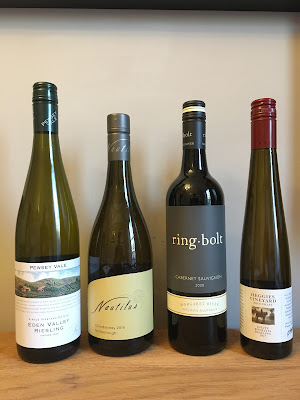
The wines are a Marlborough Chardonnay from New Zealand, a Cabernet from the Margaret River coastline and two very different Rieslings, a dry Riesling and a Botrytis from Eden Valley to celebrate International Riesling Day (13th March). 

Aperitif

Pewsey Vale Vineyard Riesling 2020 (£15.99 – £17.99, Ocado, Hennings Wine Merchants, Specialist Cellars)

In the rugged, undulating high country of Eden Valley, 250 metres above the Barossa Valley floor, lies Pewsey Vale, a vineyard dedicated to Riesling. Named after the Vale of Pewsey in Wiltshire, the UK home of Joseph Gilbert who, in 1839 emigrated to Australia and in 1847 planted a one-acre site, thus establishing Eden Valley’s first vineyard and one of Australia’s first high-altitude cool climate sites. Today, Louisa Rose oversees the winemaking.

With lean soils, rocky outcrops, and finicky microclimates, it is not an easy vineyard to manage. Louisa manages each block according to its specific needs, whilst nurturing the surrounding fauna and flora, important to the biodiversity of the vineyard to ensure the wines are consistent and reflect the terroir of Pewsey Vale.

The 2020 is a classic example, showing the distinctive, generous flavours.

white stone fruits, pineapple, line, grapefruit and melonskin; fresh and pure ripe orchard fruits, topical citrus with savouriness, slatey minerality, zesty, aromatic green herbs and a hint of kerosene. Poised, precise and linear.

Very Good.

Drinks nicely on first opening; can be cellared.

Match with fresh oysters, seared scallops, salt and pepper squid, Thai beef salad or a tomato salad with fresh basil.

Starters

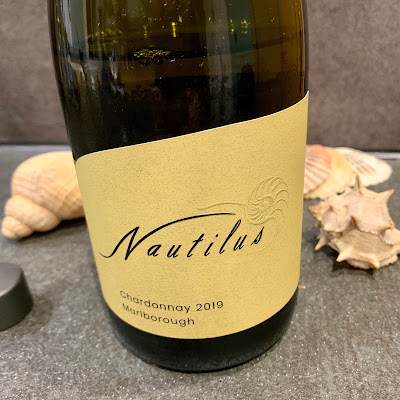
Nautilus Chardonnay 2019 (£23.99, Majestic, Specialist Cellars)

Nautilus Chardonnay is made with fruit from the Hill-Smith’s Renwick vineyard in Marlborough, New Zealand. The grapes are blended with a Burgundian clone from long-time growers and friends of the family, Jim and Debbie Greer.

In 2006, a dedicated winery was built for white wine, where every step of the winemaking process takes place. Less handling leads to better results and for this wine, the hand-picked grapes are chilled and pressed directly into barrel where it is fermented.

This hard-fought refinement of the winemaking process has led to no fining of the wine, making it vegan friendly.

Marlborough Chardonnay is known for its cool climate intensity and this one has great longevity and depth. 

orchard and yellow stone fruits, musky lime zest, white flowers and a toasty-savoury spiciness; fresh ripe peach and apricot, tropical guava, pineapple and lime marmalade; broad and savoury with toasty-oak spice, buttery-creamy oatmeal, brazil nut and a saline minerality.

Drinks nicely on first pouring and will gain complexity with cellaring.

Very Good.

A versatile food wine, match with smoked fish, coconut curries, roasted white meats, such as chicken or pork or cream-and-mushroom pasta or leek, mushroom and mustard chicken pie (try it in a pie).

Main
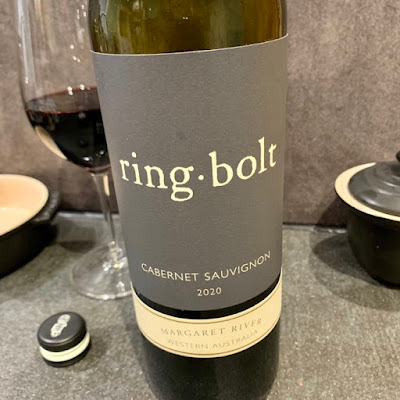
Ringbolt Cabernet Sauvignon 2020 (£10 Tesco)

A vibrant Cabernet from Australia’s Margaret River, a wine region embraced by two oceans, the Indian and the Southern; the temperate, maritime climate with high winter rainfall and sea breezes are wonderful growing conditions for Cabernet Sauvignon.

The grapes for this wine are grown on a small selection of sites with a range of aspects and soil types, and it is these variances and selective blending that provide Ringbolt with much of its complexity. 

expressive cassis, dark-berry fruits, violets and dark green herbs; blackberries, blueberries and ripe black cherry fruit with cocoa and spices; fresh, supple and savoury with ripe, rounded tannins.

Fruit-forward on first-opening, its savoury complexity becomes more apparent with aeration. Can be cellared.

Good.

Match with Angus roast beef or rosemary-and-garlic leg of lamb.

Dessert

Heggies Vineyard Estate Botrytis Riesling (Waitrose £14.99 / half bottle)


Heggies Vineyard is nestled in an idyllic place in the high country of Eden Valley at 500m above sea level. The grapes for Botrytis Riesling are grown on a gentle western facing slope, with trees providing shelter and a dam at the base of the vineyard which provides a gentle morning fog, essential for the development of the all-important Botrytis.

The grapes are selectively hand-harvested in two separate batches, the first is juicy with delicate Botrytis character, and the second develops further to give more concentration of Botrytis and flavour. 

The grapes are whole bunch pressed followed by cool fermentation to retain freshness and purity. The combination of innovative viticultural practises and its unique terroir result in a distinctive balanced wine with beautiful structure and long in flavour.

aromatic and floral with musky roasted butter peaches and sweet spices; fresh-yet overripe yellow stone fruits, pineapples pieces and orange marmalade with candied citrus peel and beeswax; rich, unctuous and complex.

Very Good.


Match with a cheeseboard, fruit tarts or roasted peaches. Also drink as an aperitif with a pâté starter.

***

Other reviews:

Joanna Simon on Nautilus Chardonnay: www.joannasimon.com 

And on the Ringbolt: www.joannasimon.com

Tom Canavan on the Pewsey Vale: Pewsey Vale, Riesling 2020 - wine-pages

Saturday, 21 August 2021

Last of The Summer Wines - New Zealand, Australia and Italy

Three Summery wines from around the world

The Great British summer is something of mixed and changeable thing even at the best of times. Here are three wines that are fresh enough for all but the hottest of days while also being substantial enough for the sorts of foods we need when the weather is less benign.

If you think you are all done with kiwi Sauvignon, it's time to think again; yes, this  is a Sauvignon Blanc from New Zealand - but not as we know it.

Plus there's a red from the rocky slopes of Tuscany and a Shiraz with its own temperature control label from Australia.

Pyramid Valley North Canterbury Sauvignon +, 2019, (£18.99 Wine Direct Hay Wines TheDrinkShop.com)

2019 Pyramid Valley North Canterbury Sauvignon + is an incredible New Zealand Sauvignon Blanc, but not as we know it. A blend of three different vineyards, organically produced and fermented spontaneously with natural wild yeasts in a combination of tanks, old barrels, and clay amphora and with a touch of skin contact. 

This is top class wine on a par with some of the finest French sauvignons and at a fraction of the price. Beautifully focused with concentrated palate, balanced with salinity and acidity. Vibrant and bursting with flavour of ripe melons and passionfruit, and utterly delicious.

The “+” in this Sauvignon + is for the tiny amount of Riesling and Pinot Gris is added to the blend.

florality, lifted aromatics, green apple, lime zest and spice; ripe stone fruits, melon and fresh pineapple, lemon and lime with creamy brazil nut leesiness, a touch of struck match, salinity and a pebbly minerality. Harmonious and adept; concentrated, complex and very long.

Very Good+.

A versatile food wine match with white meats, such as lighter game, pork and fowl.

Also reviewed by Tom Cannavan: Pyramid Valley, New Zealand - wine-pages

Banfi Col di Sasso 2019, (£13.99 Great Grog Bon Coeur Fine Wines Wine Direct, TheDrinkShop.com)

Banfi Col di Sasso 2019 is a blend of Sangiovese and Cabernet Sauvignon.

Its name translates as the ‘Stony Hill’ because the grapes come from some of the rockiest slopes on the Banfi estate. This wine is one of the best known and loved Banfi labels around the world, and is often referred to as a baby 'Super-Tuscan'.

The Cabernet Sauvignon imparts bold flavour and body, while the Sangiovese adds zesty fruit and structure. 

cherries, tobacco, old leather and spice; fresh, juicy sour cherries, soft red berry fruits, raspberry leaf, graphite and red plums; low tannins and a raspy acidity; savoury, concentrated and long.

Very Good.

Demands food; match with pizza with fresh mozzarella and basil, pasta tossed with a classic Tuscan ragù and Parmigiano Reggiano or griddled chicken, prawns or steak.

Wakefield Estate Shiraz 2019, (£13.99 Robertson Wines Wine Direct North & South Wines)

Wakefield Estate Shiraz 2019 is a multi-award-winning Shiraz straight from the heart of Clare Valley.

Wakefield is one of the most highly esteemed cool-climate producers in Australia and their Estate Shiraz is made from grapes grown on the famous terra rossa soils from the Taylor family’s vineyard where the average vine age is 10 to 30 years.

Wakefield suggests serving this delicious red a few degrees lower in temperature than usual. On the label is a unique, touch activated, temperature-sensitive gauge that indicates when the wine is at the perfect serving temperature. 

elderberry, blackberry and black plum fruit with liquorice and graphite; sweet, ripe juicy black fruits, cassis and porty menthol-eucalyptus with oaky vanilla spice, plentiful rounded tannins, inky texture and extraction; long and savoury with good underpinnings.

Very Good.

Match with red meats, such as with a grilled rib-eye steak.

Saturday, 7 August 2021

Two Tesco Wines for International Pinot Noir Day


International Pinot Noir Day is on 18th August.

Yes, it is A Thing.

Until relatively recently, Pinot was synonymous with Burgundy - with only one or two other contenders.

These days, Pinot seems to have followed Chardonnay around the world so, whilst the prices of top Burgundies rise ever higher, new entrants at the entry level to the market allow the Pinot-curious to see what all the fuss is about.

Pinot is famously thin-skinned and difficult to grow in anything but a cool climate; however, a riper, darker, spicier style of Pinot seems to have emerged that is decidedly un-Burgundian but better value for money and no less enjoyable.

The first of these Pinots - from New Zealand's Otago, the most southerly wine region in the world - is in the riper and darker style and is an easier quaffer; the Burgundy, from the reliable producer Louis Latour, is fresher and positively demands a food accompaniment.

Tesco Finest Central Otago Pinot Noir, (£13.00)

dark cherries, spice, florality and toasty oak; black cherry and elderberry fruit, toasty-oaky spice and savouriness with earthy-truffley sous bois, cocoa and cinnamon; fresh with a good backbone and fine well-integrated tannins

Good.

A versatile food wine; match with red meat, such as rib eye steak

Louis Latour Bourgogne Pinot Noir, (£15.00)

dried red fruits, raspberry leaf and spice; fresh strawberries, raspberries and cranberries, savoury earthiness, some liquorice and spice; rounded and gentle, very fine tannins.

Thoroughly enjoyable.

A versatile food wine, match with beef stew, steak with garlic butter or any roast meat.

Monday, 21 June 2021

Crisp White and Big Red - Antipodean-Style


A Crisp White and Big Red from Down Under

Crisp White and Big Red is a classic wine pairing for food; white for aperitif and starters, red with meaty main.

In the northern hemisphere, you might look to Chablis or unoaked white Burgundy alongside Bordeaux or Rioja.

Most major European wine-producing countries have food-friendly whites as well as complex reds, so the possibilities are almost endless.

If you want to take the same approach with Antipodean wines, New Zealand Sauvignon has to be on the list of crisp, zingy whites. For reds, Western Australia produces elegant, restrained, food-friendly reds and is one of the few places in the world that suits varietal Cab.

For, despite being the great international red grape, Cabernet Sauvignon most often needs blending to round out its "tannic doughnut", that is a lack of tannins on the mid-palate.

Coonawarra and Western Australia have found that they hvae just the right conditions to avoid this and to be able to produce pure, varietal Cab.

New Zealand's Villa Maria is one the country's most awarded wineries, producing enjoyable, well-made and inexpensive wines year in, year out.

Villa Maria Private Bin Sauvignon Blanc, Marlborough 2019 (£12, Sainsbury's, Asda, Morrisons, Waitrose, Majestic, Co-op)

Aromatic and lifted with gooseberry, lime, grapefruit, musky rubbed sage and white pepper; ripe stone fruits, pineapple, melon and passionfruit with fresh, green apple acidity, honeysuckle, sweet spices and fresh-cut grass; full, supple and and adept.

Drinks well on first pouring and opens up further with some air.

Good.

Serve as an aperitif or match with meaty meat with herbs, such as cod in a herb broth or pork and parsley terrine.

Vasse Felix Filius Cabernet Sauvignon 2019 (£14.99 - £17.99, Specialist Cellars, Aus Wines Online, windirect.co.uk)

Bramble and dark berry fruits with spice and damp earth; black fruits, black cherries and complex, toasty spices with grilled fruits, dried herbs and iodine. Full and supple with rounded, well-integrated tannins and lots of fresh acidity; very harmonious and adept.

Shows lots of primary fruit on first opening and becomes more savoury with extended aeration.

Good.

Drink with grilled meats such as barbecue foods; decanted for several hours, it will match with plain roast red meats.

*****

From the Vasse Felix website:

Cabernet Sauvignon has a strong heritage at Vasse Felix, being one of the first red wines made at the estate and Margaret River’s first Cabernet.

This is a brilliant expression of the region and a glorious vintage. A full-bodied Cabernet Sauvignon with a dollop of Malbec added to the blend.

It has the structure, power and tannins of classic Margaret River Cabernet Sauvignon, but made as an earlier drinking style.

Succulent fruit is sourced from each of the four Vasse Felix vineyards and vinified and matured in French oak for 11 months as individual batches prior to blending.

The result is a tangy wine, with ripe black cherry fruit and lingering black forest gateau flavours. The acidity is fresh and cleansing, while the fine-grained tannins bely its youth.

Vasse Felix, almost single-handedly, put Margaret River on the world wine map when regional pioneer Dr Tom Cullity founded the winery back in 1967. What he uncovered was world class potential for great wines. Filius, which translates as ‘son of’ from Latin, are the offspring of the flagship Cabernet Sauvignons and Chardonnays for which Vasse Felix are justly famous.

This range of wines is more approachable in their youth than their elder siblings. They are versatile weekday wines, perfect for entertaining on all levels, brilliant with food, ideal as an aperitif, simply delicious and great value for money.

Friday, 11 June 2021

The CWB Supermarket New World Red-off


Two widely-available New World reds

Carignan and Pinot Noir both produce soft, silky wines with a delicate, supple texture.

The main difference is that Pinot is expensive to make and always carries a price premium, due to the reputation of Burgundy; by contrast, Carignan is a "wine lake" grape, historically producing high yields in hot parts of France with no classic heritage.

If you have heard of Pinot but not of Carignan, this is possibly why; it's the darling vs the ugly duckling.

Another reason is that Carignan is typically a blending wine; late-ripening and heat-loving, it provides colour, acidity and tannins but can prove difficult to make into an elegant varietal wine.

Both these wine are relative bargains, then and punch above their price tag; New Zealand makes some of the best Pinots outside Burgundy for a fraction of the price. And Carignan has the soft texture of Pinot but without the premium.

They are both drinking nicely now, but have the concentration and complexity to improve with some age.

Indomita Gran Reserva Carignan, Chile, 2019 (£7.50, Co-op)

Chile has been getting better and better for a decade or so and is finally starting to reach its potential now.

Lifted red and black fruits with florality and oaky, peppery spice, garrigue herbs, cocoa and savouriness; fresh, full and supple with a dense inky texture; very harmonious and well-made.

Good and Good Value.

Drinks nicely on first opening but can be cellared.

Match with roast red meat or barbecue foods.

Tesco Finest Central Otago Pinot Noir, 2020 (Tesco, £13)

Made by Villa Maria, New Zealand's most awarded winery and always a source of highly enjoyable, well-made, good-value wines.

Farmyardy sous-bois and complex spices; lifted dark berry fruits, black cherries and black olives with some toasty savouriness; fresh, supple, concentrated and long.

Very Good.

Drinks nicely on first opening, but will improve further with some aging.

A fresh, versatile red, match with rich, strongly-flavoured foods, from lamb to salmon steak, venison to guinea fowl, pâté to charcuterie.

Tuesday, 13 April 2021

Three More Wines from Vineyard Productions

Three more wines from Vineyard Productions

For Part #1 see here.

When you start to take more than a casual interest in wine, one of the first questions is often: how do I find good wines?

Masters of Wine have some of the best-trained palates in the world, so are a reliable guide to what is considered good in wine.

You don't have to agree with them, of course - preferences are highly personal. But it's a good idea to learn the rules before you can break the rules.

These three wines from Vineyard Productions all have something of a house style or family resemblance; beyond being merely well-made and adept, they have a food-friendly mid-palate savouriness from extended lees aging.

This is not, I'm told, a Vineyard Productions identikit approach, but rather just one of tools in founder Liam Steevenson's toolkit.

Liam grew up in the wine trade and was the youngest person to qualify as a Master of Wine; with an ambition to make wine but no actual vineyards, he set up a series of partnerships with various winemakers to make small amounts of wine using their grapes.

The plan was to start with very small quantities and deliver a proof of principle; if the wine worked and sold well, he would then seek to make it in larger quantities the following year. He now makes wines all over the world from Languedoc to New Zealand via Portugal, Spain and even India.

Here is Cornwall Wine Merchant Mike Boyne of Two Bin Padstow discussing one of Liam's wines.

He also stocks 

Céu na Terra Alvarinho 2019 (around £17)

Expressive Alvarinho from the inland part of Portugal's Vinho Verde area, this is closer in style to a kiwi Sauvignon blanc; fuller bodied with some skin contact for gentle tannins and lees aging for depth, it is fresh and zippy.

It is made by Quinta de Santiago just inside the Portuguese border from grapes grown on clay (for fruit) with a mixture of Atlantic climate (for freshness) and some continental influence (for ripeness).

Aromatic and complex nose with zesty tropical fruits, lemon curd and brioche; full, supple and refreshing with lemongrass, lime marmalade and savoury, saline minerality.

Very Good.

Drinks nicely on first pouring but can be aged for several years.

Fresh enough for an aperitif, it will match with white meat and herbs: pork terrine, monkfish in broth or Moules marinière


Fincher & Co. The Dividing Line Sauvignon Blanc, 2018 (around £20)

Hand picked, straight to barrel feral ferment and left until November - then a blend selection is taken place and prepped for bottling in February

The wines shows quite dramatic funk and citrus notes with underlying exotic fruits and floral tones.

The extended time on natural lees give the wine an unexpected texture as well as a deliciously nutty character. A full bodied style of Sauvignon Blanc with a dried herbal edge, vibrant acidity and a long, persistent finish

 Herbal and citrussy with signature kiwi pungency and ripe exotic fruits; textured, mineral and crisp yet broad with a nutty complexity and a dried herbal edge. Full and supple, precise and persistent. Very clean and pure.

Very Good.

Match with grilled fish especially squid or swordfish. Dishes with herbs and greens - salmon with dill, for instance, but great with recipes that contain basil, coriander, rocket and especially mint. Salads with goats cheese and feta, asparagus, avocado or grilled red peppers, fresh tomato salads or salads with fennel, mango or papaya


El Garbi Blanco Terra Alta 2019 (around £24)

Grenache blanc from high sites in north eastern Spain near the Mediterranean coast.

Rich and textured with apricot, golden apple and sweet spice; toasted brioche, fennel and aniseed with a long lingering finish; full and supple.

Very Good.

Pairs with a diverse range of food flavours, particularly suited to richly spiced dishes especially those containing cumin. Try with chicken satay, Chinese 5-spice sea bass, tempura shrimp, lobster, Moroccan tagine, roasted pork shoulder or creamy cheeses.

Monday, 12 April 2021

Three Mature Wines (and some food)

A 1983 German Riesling, a 2014 NZ Riesling, a 2012 Rhône and a take-away restaurant meal

A neighbour was moving house and asked if I had any surplus wine packaging going spare; in return for a few cartons retrieved from the recycling, he proffered a bottle from the cellar, with the warning "It's a bit Madeirised, but hopefully OK".

I decided I had got the better end of the bargain and decided to put it up against another aged Riesling and some food from Alex Rushmer's Vanderlyle.

Opening the wine was surprisingly easy, if somewhat unconventional; applying the corkscrew, the cork slipped down the neck of the bottle irretrievably, so I pushed it all the way in then fetched a decanter-plus-tea-strainer and out it poured.

What else to pair with an aged Riesling but another aged Riesling?

Peter Ranscombe had recently tipped a 2014 Marlborough Riesling from Aldi and I'd been intrigued enough to buy a few bottles.

Freeman’s Bay Marlborough Riesling 2014 (£7.99, Aldi) sealed under screwcap, it has not evolved as much as a similarly priced and similarly aged Mosel Riesling from The Co-op.

Honeysuckle, citrus and a hint of petrol, zippy and fresh with lime marmalade and a slatey mineral thrill; falls away quickly but mineral-persistent on the finish. Thoroughly pleasant and off-the-beaten-track.

Deidesheimer Herrgottsacker Riesling Spatlese 1983 golden topaz in colour, or Earl Grey tea, with aromas of bruised apple, a touch of old leather and some cellar mustiness but nothing approaching diesel or kerosene.

On the palate, stone fruit and citrus with toasted brazil nut and cashew, sultanas, beurre noisette and savoury, caramelised butterscotch; sweet-sour, saline-mineral and long. A well-knitted, complex and harmonious mass of wonderful contradictions; starts sweet and finishes dry, mellow yet energetic, fruited but savoury, oxidised yet fresh.

Very Good.

Drink as an aperitif or match with lighter game or mushrooms.

Domaine de Fontbonau Cotes-du-Rhone 2012 (£12.99, Cambridge Wine Merchants) Alex had suggested a gutsy Malbec to go with his main course, a multi-stage, two-day chili, so I picked out this warming, mature red.

A bin-end, fire-sale wine that had been destined for the restaurant trade; I bought several cases of this, and also sent a bottle to Peak District-based PR Francesca Gaffey as part of Dan Kirby's twitter wineswap.

Mature Rhônes are somewhat unusual as they tend to be consumed young, but this is ripe yet savoury, intense and supple with very fine tannins.


The Food - Vanderlyle

Vanderlyle and MJP@TheShepherds are the Blur and Oasis of the Cambridge Dining Scene; Alex was a Masterchef finalist and Mark has held a Michelin Star.

Starter

Rapeseed oil focaccia with blackened salsa; tomatoes and roasted chili, with cardamom and fennel seeds. Warm the bread, dip into the salsa; more amuse bouche than starter but very well-made.

Main

Carlin Pea & Morita Pepper Chili
Aged Cheddar Mac 'n' Cheese
Braised Spring Greens

Spicy-savoury and rich; it took a few mouthfuls before we realised it was vegetarian (or at least meat-free); appropriately hearty and warming for a late-spring chill.

Dessert

Orange Poppyseed & Olive Oil Pudding Custard

More a light cake than a pudding, the most adept and elegant part of the meal.

With coffee

Vanderlyle "Black & White Biscuit"

A homemade Oreo - but so much better.

Footnotes: Deidesheim is a small, highly prestigious wine-growing village in Germany's Pfalz wine region. It is best known for its Riesling, which is by far the dominant variety here. Like other Pfalz wines, Riesling made here is fuller-bodied and richer than most other German Riesling, thanks to the region's relatively warm, dry climate.

Most Deidesheimer Rieslings are trocken (dry). Situated just a few miles north of Neustadt town, Deidesheim lies right at the heart of Pfalz's top vineyard area. The village and its vineyards sit at the foot of the Haardt mountain range, giving them a much-prized easterly aspect and sheltered position. This, combined with the rain shadow cast by the peaks above, makes for a warmer, brighter and drier macroclimate than those a few miles away.

Jancis Robinson says of the 2009 vintage of this wine:

Georg Mosbacher, Deidesheimer Hergottsacker Riesling Spätlese trocken 2009 Pfalz 17 Drink 2011-2014

100% Riesling from Weingut Georg Mosbacher, a family-owned estate with nearly 45 acres of vineyards in the picturesque wine village of Forst, in Germany's Pfalz region. Vines are planted on clay sand with a high percentage of stones. The grapes were hand-picked and fermented with temperature control at 18°C with selected yeast in stainless-steel tanks. Bottled in May 2010.

Winemaker Juergen Dueringer. TA 7.1 g/l, RS 3.1 g/l.

Great to see a supermarket bothering with top-quality Germans! Honeyed nose. Very broad peppery palate. Lovely well-balanced stuff that is already drinking well and is chock full of fruit but not sugar. Really good! 13% £16.99 Waitrose (8 stores)

Tuesday, 14 April 2020

Support Your Local Wine Merchant - Sauvignon vs Semillon

A kiwi Sauvignon vs an Aussie Semillon

Week two of our taste-off with MW-student friends; we are comparing and contrasting Sauvignon and Semillon. The Sauvignon is from the cellar; the Semillon is an oaked Aussie from Cambridge Wine Merchants.

The profiles of these two grapes could hardly be more different; Sauvignon Blanc is everyone's go-to white. Its home is the Alantic side of France from the Loire down to Bordeaux, but these days is New Zealand's signature grape and accounts for the vast majority of all plantings there.

New Zealand's distinctive style of Sauvignon is something of a happy accident; with no significant infrastructure to build off, early winemakers relied on plentiful dairy suppliers to make their wines in stainless steel under chilled conditions, giving a fresher, more aromatic result.

By contrast, varietal Semillon is much harder to find, much more of a niche grape and will probably set you back a bit more - basic, entry-level Semillons are rare. It is famous for the sweet wines of Sauternes and Barsac, blended with Sauvignon in white Bordeaux and uniquely produces ageworthy-yet-low-alcohol wines in Hunter Valley.

Peter Yealands Sauvignon Blanc Reserve 2016 from the cellar, this is aromatic and expressive with cut grass, blackcurrant leaf, gooseberries, zippy line and passionfruit. Mineral with good underpinnings and still very youthful.

Good.

Match with aromatic salads or white fish in a herby broth.

Kilikanoon, Pearce Road Semillon, Clare Valley, 2015 (£20, Cambridge Wine Merchants) aromatic, spicy and dieselly on first opening, the new oak then comes to the fore before it all settles down. By day four it has become harmonious and is showing beautifully with lemon curd, citrus, and creamy oatmealy savouriness.

Needs extensive aeration - several hours in the decanter to show its best; will age for years and decades.

Very Good.

A versatile food wine, match with plain roast chicken or pork.

Thursday, 20 February 2020

Premier of Villa Maria's "Vintage" Documentary

The London premiere of Villa Maria's documentary, Vintage


Making wine is romantic and bucolic, right?


Well, on a good day, it can be; and it can also be a lot of other things as well. New Zealand winery Villa Maria has released a documentary highlighting the incredible highs and heart-breaking lows of making world-class wine.

Billed as essential viewing for wine enthusiasts around the world, it launches on Amazon Prime on 27th February 2020 and explores the challenges, skill and dedication required to bring a wine vintage from grape to bottle.


But don't just take my word for it, Oz Clarke says of Vintage: New Zealand’s vineyards have rarely looked more alluring. The winery processes seem challenging and intriguing and are explained in an easy, lucid style, and the bunch of local Kiwis and foreign drop-ins the director has assembled to talk us through the 40 days from picking the first grape to closing down the final vat, are an engaging crew who tell us really interesting, personal stuff.”


The premiere also afforded a chance to try some of Villa Maria's wines. The standout was the Cellar Selection Sauvignon Blanc 2019.


Cellar Selection Sauvignon Blanc 2019, £10.26 Ocado citrus, grapefruit and passionfruit with aromatic nettles and herbs; weighty, supple and substantial with smoky spice.


Good.


Match with salmon or pork rillettes.


Friday, 13 September 2019

Mountain View Marlborough Rosé 2018

An elegant blended pink from New Zealand - via Virgin Wines

Not to be confused with a sweet fizzy citrus beverage, Mountain View is a Marlborough rosé.

Yes, the place synonymous with zesty Sauvignon has vinified a red grape (Pinot Noir) and then turned it into a rosé with a touch of the Italian white grape Arneis in the blend.

It's a lovely wine, but I am genuinely curious as to why they have made it instead of, say, making a red Pinot Noir and an Arneis separately.

For starters, the two grapes are not natural bedfellows; drinks consultant Douglas Blyde describes blending them as a thrillingly masochistic challenge of unification of two little rascals.

Then, the price for red Burgundy provides a higher benchmark than the price for a pink, so they must be losing out there.

It could be that the grapes struggle to ripen, suggests Kevin Powell, and so a pink works better than a red. But why not just plant grapes that can ripen?

Or maybe it's just a punt on something different to see if it will fly (NZ is around 75% SB, so it has to start trying out new grapes and styles before fashions change).

The most convincing suggestion came from Languedoc winemaker Jonathan Hesford and pink wine expert Elizabeth Gabay MW - the juice for this wine is bled off early in the process to make a rosé  and the remainder turned into a deeper, more concentrated Pinot (think skimmed milk and cream).

Jonathan adds "the winery may have a particular financial reason for putting out an earlier release wine that frees up tank space and brings in money much quickly than a more expensive, barrel-aged red Pinot noir. Not all wineries have limitless pockets or space to make their best Burgundy-lookalikes."

Mountain View Marlborough Rosé 2018 (£11.99, Virgin Wines) aromatic, floral and spicy nose, soft red fruits, aromatic herbs and a saline minerality. Textured and structured; clean, pure and crystalline-fresh with more spice and florality on the finish.

Good.

Drink as an aperitif or match with picnic foods such as cold cuts, quiche or goat's cheese tart.

Monday, 15 July 2019

Crisp White and Big Red from the Co-op

A Crisp White and Big Red from the Co-op - Peter Yealands and Fairtrade Malbec

Crisp White and Big Red is a classic combination for any meal.

If you are doing a "four-wine" meal, you might add in fizz or sherry to start and a dessert wine to finish, but the traditional core is white with starters and red with mains.

In the Old World, you might go for Chablis and Bordeaux, Soave and Barolo or Txakoli and Rioja.

Here are two New World wines from The Co-op that work well together:

Peter Yealands Sauvignon Blanc, New Zealand, 2018 (£9.50, reduced to £7.50 from 17 July until 13 August) fresh, pure and aromatic with cut grass, white pepper, zippy lime, minerality and tropical fruits.

Good.

Match with seafood starters, such as white fish in a herby broth.

Co-op Irresistible Fairtrade Organic Malbec, Argentina 2017 (£7.50) spicy with ripe dark fruits, fine tannins and an oaky-inky texture. Generously extracted.

Match with steak or roast lamb with rosemary and garlic.

It has an IWC Silver and the Fairtrade trophy.

Drink outdoors or in.