Crisp White and Big Red is a classic dinner combination; starting with France, you might look to the Loire and Bordeaux or Chablis and the Rhône.
Further afield, but staying in the Old World, a Riesling and a Barolo or Rioja would work equally well.
Here is a southern hemisphere / New World take on the same concept using classic (i.e. French) grape varieties; South African unoaked Chardonnay and Chilean Cabernet Sauvignon.
The Chardonnay has a classic unoaked flavour profile, just with more warmth and ripeness, so think Macon rather than Chablis, even if some of the fruit has a ripe-yet-green tinge.
The Cab is similarly more fruited and riper than Bordeaux, with New World's signature cassis and green pepper.
This is Rustenberg's first ever unoaked Chardonnay; the aim was to create a wine that, without the influence of oak, expresses the varietal character and generosity of Chardonnay when the finest fruit is vinified for this purpose. Lees ageing adds palate weight and complements the wine's citrus fruit profile to create a wine that can be enjoyed on its own or with food.
Arguably the most famous wine-producing region in South Africa, the vineyards of Stellenbosch take advantage of the area's topography and vineyards sit on the lower slopes of the Helderberg and Simonsberg ranges.
From the Stellenbosch region of South Africa, this Chardonnay is hand-picked and wild-fermented,
with native yeasts found on the fruit and in the vineyard, in stainless steel tanks; it is then aged on lees for 3 months for more complexity.
This wine is a blend of different component vineyards, picked at different times of ripeness, some early for freshness and some late for fruit expression. Part of the batches are crushed and destemmed and part are whole bunch pressed, each technique giving a different mouth feel to the resultant wines.
floral and heady with exotic fruits and perfumed honeysuckle; orchard fruits, yellow stone fruits, greengage, sweet spices and salinity with some rich, leesy underpinnings and mid-palate complexity.
Drinks nicely on first pouring.
Good.
A versatile food wine, match with seafood, white meat and creamy cheese dishes such as tarte flambée.
I've reviewed Montes' oaky Chardonnay from Chile previously and been impressed - see here and here.
Would their Cab be as good, I wondered?
Cabernet Sauvignon is one of the most-widely planted grapes in the world, but is rarely made into a varietal wine as it often needs some rounding out from another variety, In this case, there is 15% Merlot added for plush, juicy freshness, making this a classic Bordeaux blend.
45% of the wine is aged for 8 months with 2nd and 3rd use French oak barrels.
lifted, fruit-forward blackberries and blackcurrants with nutmeg, peppery vanilla spice, pencil shavings and some woodsy undergrowth; juicy, plush and fresh with red and black fruits, coffee grounds and cocoa; supple, well-integrated tannins, mintiness and a supple texture.
Good.
Drinks nicely on first pouring but opens up with aeration; will repay some cellaring.
Match with char-grilled meats, lamb, darker game or tuna steak.
I have written about Journey's End previously; they are based in one of the coolest parts of South Africa just 6km from the coast in Stellenbosch where the Indian and Atlantic Oceans meet, bringing moderating breezes.
The winery's name is a reference to owner Roger Gabb who moved there in the 1980s after founding, building and selling two highly successful and profitable businesses in the drinks trade. Whether the name refers a culmination of his aspirations or is a note-to-self that "this it it and no more" is a moot point; the business is now run day-to-day by son Rollo with Roger as Non-Executive Chairman.
A Bit of Tasting History
The first time I tried these wines, I found them quite closed-up when pouring straight from the bottle.
I'd been sent four wines to choose for a tasting I was running and was able to allow myself time to try them over a number of days to see which I thought would work best. I found that some of them were only just starting to open up by the fifth day and would clearly keep improving with further aeration.
At the tasting itself, winemaker Mike Dawson joined online from South Africa and explained that the wines are made in a very low oxygen environment, which preserves the fruit flavours in the wines; this is done with an eye more on the US and far eastern markets that Europe.
A year later and with an updated vintage, I found this set of wines showed much more expressively on first opening and wondered if the oxygen regime had been tweaked or adjusted in some way.
According to Mike, this is not the case and there has been no change in winemaking style to change the way the wines show on opening; the greater initial expressiveness is just a result of climate, vintage and other external variations.
There are also a few minor variations to some of the blends, a percentage point here or there, but not enough to make a perceptible difference.
All three wines here were well-made and expressive with food-friendly freshness and complexity.
Haystack Chardonnay 2021 Coastal Region (Noble Green, Single Price: £14.00, Mixed 6 Price: £13.00)
stone fruits, blossom and honeysuckle; crisp and elegant with saline minerality; white stone fruits, some toastiness amnd warming spice, honeydew melon and citrussy lemon-and-lime; good underpinnings with creamy-leesy brazil nut; long and savoury.
Drinks nicely on first pouring; can be cellared.
Good.
A versatile food wine, match with white meat dishes, white fish and creamy cheeses.
Wild Child Grenache Rosé 2021 Western Cape, Stellenbosch (Noble Green: Single Price: £13.50, Mixed 6 Price: £12.50)
delicate soft red fruits and fresh green herbs; fresh strawberries and cherries, mintiness and leesy brazil nut with a touch of white pepper
Drinks nicely on first pouring.
Well-made and thoroughly pleasant.
A versatile food wine, match with griddled vegetables, mixed starters of antipasti or mezze or any picnic foods.
ripe dark-berry fruits, roasted spices and fynbosaka Mediterranean herbs; cassis and baked black fruits with black olive; supple and inky with very fine, well-integrated tannins; dark plummy fruit and eucalyptus; warming with grilled notes and some pencil shavings
Drinks nicely on first pouring.
Good.
Match with peppery roast beef or spicy barbecued meats.
The Constantia Wine Route is serious about Sauvignon Blanc. And so is Oz.
For this tasting, Oz presented six of his favourite Constantia Sauvignon Blancs to explain out why these wines are a firm favourite on top wine lists.
Joined on-screen by the winemakers behind each of the wines, they discussed why the unique cool microclimate in the foothills of Table Mountain produces such elegant wines of inimitable structure and finesse that have the ability to bottle-age, developing even further in complexity and truly expressing their terroir.
All the wines in this tasting were complex and elegant with savoury saline-minerality.
History
The sweet wine of Constantia was historically one of the most highly-regarded in the world, along with Tokaji and Madeira.
It fell out of fashion and eventually disappeared completely, but just as Tokaji has reinvented itself with dry Furmint, so Constantia now makes dry wines, and especially Sauvignon, following the template of New Zealand more than Sancerre.
Geography
A small region of less than 10km by 2 km with ancient soils and views of False Bay, cooled by icy Antarctic winds off the coast, it can be 10C cooler than just a few kilometers away.
The focus here is much more on quality than quantity.
Constantia Royale Sauvignon Blanc 2020 – Roger Burton
A smaller, newer winery in the area, growing 100% Sauvignon Blanc; lower altitude, in a valley with two banks, one producing steelier wines, the other lusher.
cidery bruised apple, elderflower and grapefruit; ripe yellow stone fruits with savoury brazil nut and brioche, fresh acidity and saline minerality; very elegant and poised.
Good.
Groot Constantia Sauvignon Blanc 2021 – Boela Gerber
vineyards at between 40m and 280m altitude; their Sauvignon tends to be from higher locations; they add around 5% Semillon to the blend and use some skin contact to extract more flavour
aromatic and lifted with orchard blossom; tropical citrus fruits with pineapple and passionfruit, lemongrass, lemon pith and lime zest, herbal and leafy, saline mineral. Intense and complex, can be aged.
Good.
Klein Constantia Sauvignon Blanc 2021 – Matthew Day
Focused on terroir, they make wine in a slightly oxidative style for greater aging potential using wild yeasts and skin contact; their east-facing vineyards ripen much earlier and producer riper, plusher wines vs south-facing.
ripe leafy green fruits - apple, greengage and figs - with yellow stone fruit, passionfruit, verbena and hedgerow flowers; fresh, flinty, savoury, saline-mineral and complex
Good.
Constantia Glen Sauvignon Blanc 2021 – Justin van Wyk
200m - 275m up the hill, 11km from False Bay, historically too difficult to farm and was used for grazing cattle; bought by an Austrian family in 1960, vineyards planted in 2000; a mixture of red Bordeaux varieties plus Sauvignon Blanc and Semillon planted on cooler south-facing sites; cold fermentation to retain aromatics.
aromatic lemon verbena and orchard blossom; greengage plums, zippy lime, graefruit and boiled lemon sweets with a concentrated, persistent salinity.
Blended from a selection of slopes with different aspects, all affected by cooling winds from the Atlantic and with significant diurnal temperature variation; between 2% and 4% RS to round out the acidity with around 12 hours' skin contact
herbaceous and leafy with nettles, gooseberry and ripe green fruits; scented, citrussy-minty and textured, savoury and persistent with roasted nut and minerality.
Good.
Steenberg Sauvignon Blanc 2021 – Elunda Basson
The estate dates back to 1682, originally settled by Germans; lower lying site, cooled by south-easterly winds; reductive winemaking, aged on the lees.
lemon verbena, spearmint and nettles; grapefruit, brioche, salty roasted nuts with savoury lemon pith complexity and leesiness.
I've titled this two spring whites, but these two wines are so good, you could pretty much have them any time of the year.
They are spring wines in the sense of being a bit bigger, fuller and more complex than summer garden sippers without being the sort of full-on Big Reds of the winter months.
Both wines are really well made from good fruit with lots of savoury complexity and the sort of underpinnings that will both match food and also allow them to age.
They are old school / old world in the sense of being more "palate" than "nose"; that said, they don't lack aromatics or fruit, it's just that there is also a sophisticated texture, breadth and generosity.
If you are having guests, either would serve well as a white with starters; or match with a main if it's white meat or grilled oily fish.
Godello is native to Spain and, although increasing in popularity, is still relatively uncommon, so don't be surprised if you've never had it before. Master of WineSiobhan Turner characterises it as "nose of bay leaves, peaches, hint of lemon. Fresh bright acidity with touch of salinity on palate."
Chenin Blanc is the great grape of the Loire; with high natural acidity, it can make everything from fizz to long-lived botrytised dessert wines via fully dry and off-dry table wines. South Africa is its second home.
The grapes for this wine came from a couple of old Chenin Blanc vineyards around Stellenbosch.
Careful canopy management ensured enough
sunlight, but protected the grapes against direct sunlight.
The grapes were handpicked early in the morning and
immediately crushed into holding tanks; extended skin contact extracted all the Chenin flavours to
ensure good structure in the final wine.
Only the free run
juice was used and settled for 1 day before inoculation with
selected yeast strains. The juice was racked into barrels for
fermentation.
No new barrels were used to ensure that
unique characters of the specific terroirs were preserved in
the wine. After fermentation the wine was aged on the
primary lees for another 6 months before being racked out
and prepared for bottling.
Vintage conditions allowed for good even ripening, with natural balance and healthy acidity.
baked yellow stone fruits, citrus, honeysuckle, beeswax, orange peel and sweet spices with marzipan and brazil nut; fresh and generous with ripe peach, pineapple and mang, with creamy leesy-brazil-nut complexity; long and savoury with very good underpinnings.
Drinks nicely on first opening; improves with some aeration and can be cellared for up to ten years.
Very Good.
Match with roasted white meats, grilled seafood or tarte flambée.
Maruxa Godello 2020 (£14.75, Majestic)
Maruxa Godello is made by Virgen del Galir in Valdeorras in Spain's north west Galicia region..
Virgen del Galir is a Galician project that has been owned by CVNE since 2018, and has a focus on recovering very special micro-plots on the edge of the Camino de Santiago, specifically in the town of éntoma, in Valdeorras.
They produce fresh and very mineral wines with character.
Maruxa Godello comes from a vineyard with clay loam soils with some slate and other minerals. These vines lie on slopes more than 600 metres above sea level and enjoy a continental climate with a strong Atlantic influence.
When the grapes reach optimum ripeness, they are manually harvested in 15 kg boxes.
In the winery, the Maruxa Godello grapes are cooled to avoid oxidation. They are gently pressed and the resulting must begins alcoholic fermentation with native yeasts at a controlled temperature. Finally, the wine ages for 4 months on fine lees in stainless steel tanks.
Maruxa Godello is named after the mother of the winery’s founder and is a tribute to an exceptional place. This wine is faithful to the Valdeorras tradition where the native Godello variety is silky, elegant and very lively.
CVNE, one of the biggest names in Rioja, have branched out to Valdeorras in Galicia where they pick grapes from steep terraced vineyards where the altitude encourages acidity in Godello grapes. This brings plenty of refreshing character to the wine. Expect citrus and floral aromas, with a complex, mineral finish.
white flowers, orchard fruits, citrus, white pepper and honeysuckle; fresh and complex with ripe tropical citrus and yellow stone fruits with creamy, savoury brazil nut ands hints of aniseed, marzipan and Mediterranean herbs. Broad, harmonious and savoury with good underpinnings.
Drinks nicely on first opening; improves with some aeration and can be cellared.
A new Sauvignon Blanc from South Africa's Journey's End
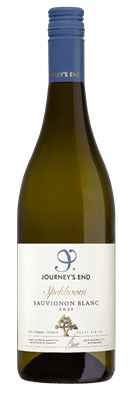
Journey’s End are launching a new wine, Spekboom Sauvignon Blanc, and it's as good as the rest of their range.
Journey's End - the winery
Journey's End was the final of a series of businesses founded by Shropshire-born Roger Gabb in the late 1990s; located in Stellenbosch and just 6km from the coast, it is cooled by the Indian and Atlantic oceans. As a result, the wines have a freshness that is more European than South African.
Gabb is now Chairman and son Rollo runs the business "making extremely good wine sold all over the world".
Sustainability
Journey’s End has always been wholly committed to sustainably and ethically producing wines; their new wine is named after the vineyard’s latest green project, the recent planting of 6,000 spekboom plants on the farm.
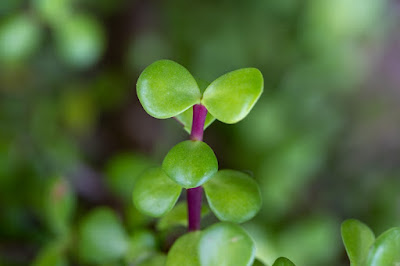
The wine’s namesake, spekboom (Portulacaria afra, also known as ‘Elephant Bush’) is a succulent, native to South Africa.
The team at Journey’s End is committed to reducing carbon emissions and Spekboom, is widely considered to be a ‘wonder plant’ due to its impressive abilities to absorb carbon dioxide; one hectare of mature spekboom thicket can up to 7.5 times more than the equivalent area of mature woodland.
Winemaking style
When I reviewed four Journey's End wines in 2021, a common feature to them all was that they improved significantly with aeration. On a call with the winemaker, I learnt that they are made in an extremely low-oxygen environment to preserve the fruit aromas of the wine. This is a play towards US and Asian palates, who tend to emphasise freshness of primary fruit over the savoury complexity that is more associated with European preferences, and certainly my own.
As a result, I found most of the wines the wines opening up and generally still improving even after 5 days of first opening, especially the reds and the more ambitious whites.
In the case of both the Weather Station Sauvignon and this Spekboom, the low-oxygen regime accentuates the delicate aromatics of the grape, so it drinks well on first pouring and doesn't actively require time in the decanter.
Journey’s End Spekboom Sauvignon Blanc 2021 (£10, Sainsbury's)
Made from 100% sustainably-sourced Sauvignon Blanc, it spends five months on the lees for savoury complexity
floral and aromatic zesty grapefruit and tropical citrus; melon and pineapple fruit with zippy lemon-lime and fresh geen herbs; supple, harmonious and fresh with saline minerality
Good.
Match with garlic-and-herb soft white cheeses, white fish in a herby broth or aromatic chicken salads.
These two Co-op Fairtrade wine are on special offer from 23 February to 15 March 2022 inclusive, and reduced from their quoted prices below.
South Africa does not have a problem with ripeness; a warm country with plenty of sunshine, it never struggles to ripen grapes.
Rather, the challenge is more in maintaining freshness, even more so the further you get from the moderating sea breezes of coastal areas.
At the lower end of the price range, this means you get plenty of warmth and sunshine in the glass. If, as here, the wines are well-enough made, expect them to be full and expressive. And best matched with hearty foods.
Stylistically, they are as mainstream and familiar as you would expect.
Co-op and Fairtrade
Both these wines are Fairtrade and Co-op is the world’s largest retailer of Fairtrade Wine, continuing to champion Fairtrade producers to ensure they’re paid a fair wage.
Stocking 57 Fairtrade wines in total, in 2020 Co-op sold 14.5million litres of Fairtrade
wine.
The premium wines from Co-op sales have helped to build a school and
a secure water supply in Tilimuqui, to name but a few, and Co-op continues to work with
suppliers and producers to help them gain Fairtrade accreditation.
So easy to enjoy, inexpensive and does good.
What's not to like?
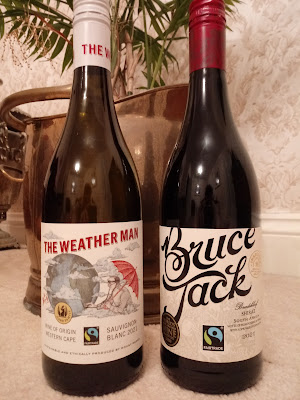
Weather Man Sauvignon Blanc (£6.50)
kiwi lookalike
expressive kiwi-style pungent aromatics with guava, passionfruit and lemongrass; fresh citrus and lime zest, tropical fruits and gentle tannins. Harmonious and fault free.
Thoroughly pleasant.
Will stand up to strongly-flavoured foods; think creamy curries, grilled mackerel with garlic or hot dogs with relish. In warmer weather, it will work with barbecues or picnics.
Bruce Jack Shiraz (£7.25)
porty - in a good way
expressive with lifted dark fruits, leathery-earthy oaky spice and herbaceous minty eucalyptus; sweet, ripe plum, blueberry and dark berry fruit with cassis, oak, cocoa and black pepper. Supple and harmonious.
Thoroughly pleasant.
Match with strongly flavoured red-meat dishes such as burgers, sausages with relish or, chilled, with a rogan josh curry.
- Empire State of Mind: Jay-Z ft Alicia Keys (2009)
Part two of a series of tastings, pitting varietal wines from New York State against classics from the rest of the world.
The first NY State tasting of Rieslings from the Finger Lakes was enough to put New York wines properly on my radar.
The three Rieslings from New York State more than held their own against examples from Western Australia, Alsace and Rheinhessen.
Think of US wines and mostly what we see in this country is warm-climate, fruit-forward Cali-juice. But with pretty much all US states making wine, the potential for variety and nuance is much greater.
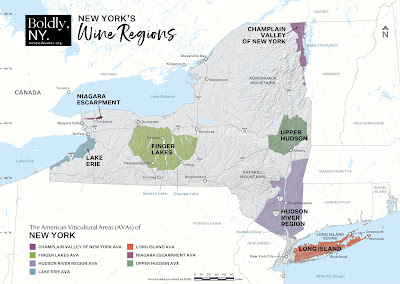
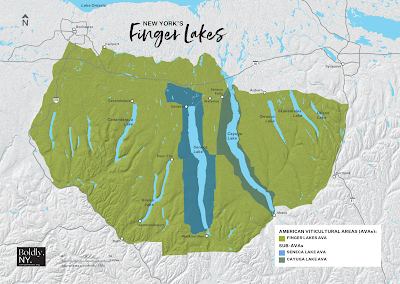
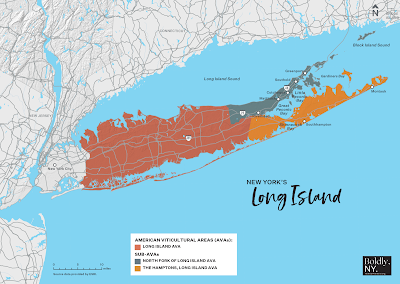
The wines here were from two sub-regions within the state:
Finger Lakes: on the same latitude as Spain, but without the moderating effects of the Gulf Stream, it has a cold winter and short, hot summer. Large diurnal temperature variation preserves acidity and vintage variation is significant.
Long Island: a wine region for just 40 years, it has a maritime climate with a much longer growing season and is home to mostly Bordeaux grapes.
Cabernet Franc
Cabernet Franc is something of an ancient grape with a new look; its origins are uncertain, but the general consensus is Atlantic France, where it is still grown in the Loire, Bordeaux and further south.
It is a parent of both Cabernet Sauvignon and Merlot, but sits somewhere between the two in flavour profile. It does well in cooler climates, but also preserves freshness and varietal character in the heat.
Dark and juicy, you might say that it has the freshness of a white wine yet with the colour and fruit flavours of a red.
Deeper dive: Finger Lakes
144 Wineries
90-120 Day Growing Season
Located in the heart of New York’s scenic Finger Lakes region, the Finger Lakes wine country is centred around four main lakes with Native American names:
- Canandaigua (“The Chosen Spot” or “The Chosen Place”)
- Keuka (“Canoe Landing” or “Crooked Lake”)
- Seneca (“Place of the Stone”)
- Cayuga (“Boat Landing”)
Cayuga Lake and Seneca Lake are also recognized as separate AVA’s within the Finger Lakes AVA due to their unique grape-growing conditions.
Some of the newest growth in this region is coming around the “Little Lakes”:
– Conesus (“Always Beautiful”)
- Hemlock (the only lake named for European settlers) found in the west.
The smaller lakes in the east – Owasco (“Floating Bridge” or “Crossing Place”), Cazenovia (“Lake of the yellow perch “), and Skaneateles (“Long Lake”) are also seeing wineries open in their vicinity. This region specializes in Sparkling Wines, Riesling, Pinot Noir and Ice Wine, and is also known for its Chardonnay and Cabernet Franc, as well as several French-American and Native American varietals.
Deeper dive: Long Island
82 Wineries
215-233 Day Growing Season
New York’s maritime influenced region, dating back about 40 years, Long Island, with its sandy soil and moderate climate, is best known for its superb reds – classic Bordeaux blends (called “Meritage” wines in the U.S.), Cabernet Sauvignon and Merlot.
At the city of Riverhead, Long Island splits into two forks, separated by Great Peconic Bay. These two regions have their own AVA recognition as North Fork, Long Island, where most of the region’s wineries are located, and The Hamptons, Long Island, (or the south fork) where a few more wineries in the overall AVA reside.
Moderating influences include: Long Island Sound, Peconic Bay, and the Atlantic Ocean.
The wines
Lamoreaux Landing – T23 Cabernet Franc 2020, FINGER LAKES (£19.99, Daniel Lambert Wines)
Fruited and elegant
juicy and berry-fruited with herbal notes, savouriness and come coffee grounds; fresh, elegant and harmonious; concentrated and long.
Very Good.
Couly Dutheil, Clos de L’Echo 2018, CHINON, LOIRE, FRANCE (not currently available in the UK)
15.5% monster from the Loire
baked, jammy fruit aromas with pine leaves, dried herbs and raspberry leaves; inky, viscous and concentrated with stewed, jammy berry fruits pepper and roasted spices; just about retains freshness. More solidly impressive than juicily enjoyable.
Good.
Element Winery, Cabernet Franc 2014, FINGER LAKES (not currently available in the UK)
Mature, savoury and slightly dried-out
complex and evolved with dried red berries, mushrooms, old leather and earthy sous bois; fresh and supple with sweet, ripe rosehip, licorice and bruised apple fruit
Good.
Zuccardi, Apelación Cabernet Franc 2018, UCO VALLEY, ARGENTINA (£17.75, The Oxford Wine Company, The Vineking, Wimbledon Wine Cellars, The Wine Reserve)
Spiced blueberry pie
aromatic berries and raspberry leaf with nutmeg and cinnamon; plush yet fresh with gentle tannins; supple and long.
Good.
Journey’s End, V5 Cabernet Franc 2019, STELLENBOSCH, SOUTH AFRICA (£15.50, Tanners)
Savoury and scrubby
savoury, scrubby fynbos nose with roasted spices; fresh and juicy with berry fruits, spices, coffee grounds and fine tannins.
Very Good.
RG|NY, RG|NY Cabernet Franc 2019, NORTH FORK, LONG ISLAND (not currently available in the UK)
spiced cherries and cream
herbal raspberry leaf, fresh red berries - juicy raspberries, strawberries and cranberries - with sweet spices; creamy, fresh and concentrated; elegant savoury and long with fine tannins and a dense, muscular core.
If you have not heard of Warwick Estate, don't worry; it was founded in the 1980s and until recently exported little of its wine overseas.
Its back-story is fascinating, however.
Force-of-nature Canadian, Norma Ratcliffe was on holiday in Mykonos and met Stan Ratcliffe who won her heart and took her back to his South African farmstead in Stellenbosch around 40 km inland from Cape Town.
Once there, she decided she would make wine and taught herself from scratch. In rural South Africa. In the the days before the internet and YouTube.
Producing her first wine in 1984, just 6 barrels, she launched "Blue Lady" in 1986 and went on to achieve a string of firsts for the country - largely because she refused to accept people telling her that it "couldn't be done", including:
- one of South Africa's first female winemakers
- iconoclastic packaging design
- South Africa's first varietal Cabernet Franc
In 1994, she launched a "Cape Blend", including some Pinotage, and in 2006 the "First Lady" wines. In the mid-teens she finally retired and sold the business, unusually, to a US Private Equity firm.
More associated with rapidly-scaled, tech-enable disruptive offerings, the PE house's interest in Warwick was for the opportunity to increase volumes, through the acquisition of the Uitkyk vineyard, and pricing, as they believe South African wines are undervalued.
As current CEO Christiane Von Arnim explained, the development cycle of a winery is very different to that of a tech business, but with neighbours including Kanonkop and just 20% of wines exported at the time, the scope for growth is there.
The First Lady Cab and Chardonnay are the two biggest sellers in the winery's portfolio and provide the funds for them to invest in higher-end projects and more sophisticated, individual wines.
Climate and terroir
The winery is 100ha and located around 40km inland from the cooling effects of False Bay, so it is a warm-climate region; there is some moderating influence from Simonsberg and the vines get good sun exposure all day.
There is limited irrigation to cope with the heat, around 4 times per year.
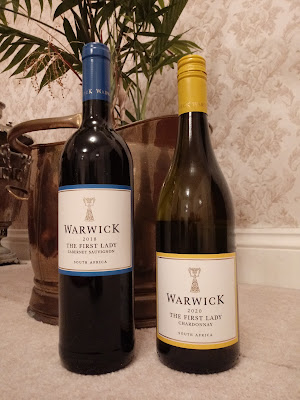
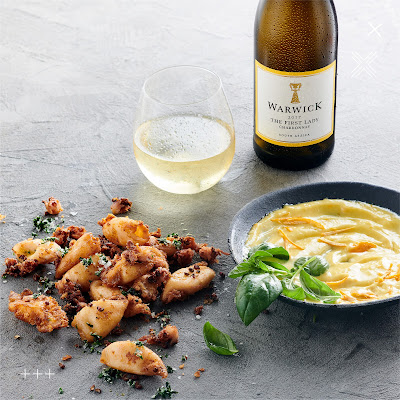
First Lady Chardonnay, 2020 (£8, Tesco)
The grapes, which are sourced from across different vineyards in Stellenbosch, picked in the cool of the early morning to keep them fresh and zingy. They are destemmed and crushed with no skin contact, and fermented mostly in stainless steel, with just 8% fermented in oak, adding a creamy structure to the palate. Extra complexity and roundness come from 100 days spent on lees, before bottling.
Expressive and aromatic with tropical fruits and leesiness; ripe apples-and-pears, yellow stone fruits, tropical citrus and limes with a savoury, leesy broadness.
Thoroughly enjoyable and Good Value at the clubcard price of £6.
Match with roast chicken, pork kebabs, poached salmon with horseradish and dill or chicken korma.
First Lady Cabernet Sauvignon, 2018 (£8, Tesco)
Warwick released its first Cabernet Sauvignon in 1984 and have been specialising in this variety ever since. Warwick use the vibrant younger vines for this energetic Cabernet, and the grapes deliver a wine that is full of life without the weight and seriousness of old age.
The grapes are harvested at optimal ripeness then aged for 18 months in a selection of oak (none new) before the final blending.
Expressive with black fruits, black olives, dark chocolate and dried herbs; fresh, juicy berries, very supple with gentle, perfectly ripe tannins and some pleasing hints of aged leather and savouriness.
Thoroughly enjoyable and Good Value at the clubcard price of £6.
Match with grilled steak with a creamy mushroom sauce, tagliatelle with venison ragu or spicy salami.
A limited-edition Saffer Sauvignon Blanc from Copper Crew
Copper Crew are three guys - all somewhat ginger, hence the name - who have decided to make canned wine A Thing over here.
Two of them are based in the UK with Sam, the winemaker, in South Africa.
I was impressed with their first offerings, a red, white and rosé, not just as canned wine but as wine generally; the red, I thought, noticeably improved when re-sampled a few months after the initial tasting.
Now they have made a limited edition Sauvignon Blanc on a WIGIG basis, and I think it may just be their best wine yet.
Recognisably a Sauvignon, it is sophisticated and complex in a way that you don't associate with many Sauvignons, let alone canned wines.
It might even be a bit too good for a canned wine, but don't let that put you off.
Wine traditionalists may look down on canned wine, but in the real world, there are many reasons why you might want wine in a can:
- portion size: at 25cl it is suitable for when you don't want to open a full bottle
- environmental impact: cans are much lighter than bottles, so use less energy for transportation
- convenience: you can pop a can in your pocket in a way that you can't do with a bottle
Personally, I like the packaging and the innovation a lot; the wine's not bad either.
Sauvignon Blanc 2020 (£24.99 for 6 cans)
aromatic with exotic fruits; citrussy and fresh and tropical; lemongrass, lime zest and passionfruit. Substantial with leesy complexity and good underpinnings. Very well-made and harmonious.
Good.
Fresh enough to drink as an aperitif, this has the complexity to match with picnic foods such as cold cuts, quiche or dips.
***
Winemaker Sam notes:
Why is this wine special?
Planted in 2002 on a cool South-Southeast slope, the vines sit at around 300m above sea level. The sandstone soils are farmed with a respect for nature and focus on soil health without using herbicides or inorganic fertilisers.
Sunlight exposure in the bunch zone is critical for Sauvignon.
To avoid excessively green-notes and reduce disease pressure in Elgin’s cool, wet growing season, leaves are broken to increase sunlight penetration into the canopy and improve airflow.
Sam notes
A vibrant cool-climate Sauvignon Blanc.
The palate is fresh and racy, with extended lees contact lending depth and texture. Cape Gooseberry, tropical kiwi and Passionfruit are followed by zesty Lime and a touch of Nettle and there’s a definite minerality here that leads into a chalky finish.
I recently reviewed two Tesco wines with a curry for National Curry Week and was pleasantly surprised at how well they went together.
Gewurz with curry is a go-to much-cited match that I have never been really convinced about, but it worked rather well here.
Red wine and curry is a much tougher ask, in my opinion, but a chilled Carménère was a surprisingly successful match with rogan josh.
A bit of discussion on Twitter about the food and wine combinations led me to the following conclusions:
- curry works best with high acidity, relatively neutral wines with a good mid-palate;
- traditional method fizzes meet all these criteria, so don't be afraid to try Cava and curry; it's generally quite inexpensive, so a more affordable starting point for experimentation than vintage Grand Marque Champagne
- crisp, citrussy and bubbly, Cava is also not dissimilar to a good lager; the traditional match for a curry
- if you want other inexpensive refreshing bubbles with curry, I would advise that you avoid Prosecco; with its shorter fermentation and more floral profile, it does not really stand up to the spicy bitter-umami of Indian foods
- chilling reds enhances the freshness and suppresses the flavours; this works with curry and is most suitable for simply, juicy wines rather than anything too high-end, tannic or complex
- bear in mind that chilled reds become a different wine, albeit chilling does not quite turn them into white wines; they retain a texture that is still red, even if they lose their "red wine" flavours
- you can chill expensive Cali Zinfandel if you want and it will then match with a curry; but why? It is something akin to a Monster Truck - Big, Expensive, Pointless, Blue-Collar Dumb Fun.
Beer and Curry - the curry
For this experiment, we started with poppadoms and sauces; mango and lime chutneys are a complete palate-killer so, unsurprisingly, the beers won out here.
It's similar to a European stew, slightly sweet from the coconut and not too spicy with exotic flavours of ginger and cinnamon.
Beer and Curry - the beers
I tried two traditional "curry beers" from Tesco; unsurprisingly, they both worked well.
Kingfisher Lager - £2.00/650ml bottle, Tesco
Kingfisher is an Indian lager brewed in the UK, but crucially to the same recipe as the original. It is India's best-selling lager and dates back to 1978.
hoppy and aromatic; crisp, citrussy and expressively hoppy with zippy grapefruit zest and a food-friendly bitter-sweetness.
Matches well with the curry and stands up to the strong flavours - unanimously agreed as the popular favourite.
Good.
Cobra Indian Premium Lager - £2.00/620ml bottle, Tesco
Cobra is brewed in the UK from barley, rice, maize wheat and four varieties of hops; the company was founded in 1989 by Karan Bilimoria who wanted to create a beer with the refreshment of a lager, but with the smoothness of an ale.
malty and savoury with subtle aromatics; rich, smooth and refreshing with an easy-drinking sweetness; very well-made, well-balanced and harmonious if a little neutral and unassuming.
Works well with the curry, but very much in a supporting role; lacks the immediate appeal of the Kingfisher.
Good.
Alternatives and rejects
I tried a couple of other wines I had on the go to see how they went with curry - in general they did not work, so the advice here is: approach with caution.
A lovely wine, but the "red wine" fruit flavours clash with the curry; interestingly, the acidity and tannins work well with the food, so chilled down, it might be a much better match.
Copper Crew Discovers Sauvignon Blanc (around £4 per can)
A WIGIG limited-edition from Copper Crew that I had on the go, this works well with the curry on most, but not quite all fronts. With plenty of acidity and a bit of lees aging, it has the freshness and the savouriness not to be overpowered by the food.
The acidity works well on the front palate and the leesy savouriness carries it through to the back palate; but the mid-palate sweetness and spices of the curry are just too much.
Surprisingly successful with the curry, it also just-about stands up to poppadums and onion salsa. If you drink mainly Sauvignon and must have wine with your curry, this is about as close as it gets.
This had worked well with a savoury rogan josh when chilled, but like the Negly, failed completely with a sweeter, coconut-based curry when at room temperature.
National [insert name here] days are either vacuous PR puffery, a bit of harmless fun or a cynical marketing exercise depending on your point of view.
I tend towards the view that they are a good thing: no-one is forced to do anything they don't want, it provides an excuse to try something that is perhaps different and if brings new grapes and wines to the attention of people who might not otherwise have tried them, then so much the better.
Here are two Tesco wines for National White Wine Day.
Chenin's spiritual home is the Loire where it makes everything from crisp fizz to dessert wines and all points in between. The grape has also found a new home in South Africa; it is the most widely-planted grape there and has been cultivated since 1655.
The Loire is also Sauvignon's spiritual home and Sancerre can be seen as Atlantic France's answer to Chablis; a cool-climate white that is all about texture and and structure. Like Chablis, the wines are unique - and therefore carry something of a premium.
Bellingham The Bernard Series Chenin Blanc, 13.5% abv, £10.00
yellow stone fruits, musky melonskin, and florality; lemon-lime and orchard fruits, sweet spices, savouriness and complex white pepper spice; full, supple and mineral and savoury.
Very Good and Good Value.
A versatile food wine, match with roasted pork belly slices
Tesco Finest Sancerre, 13% abv, £14.00
elderflower, citrus and florality with tropical fruits; orchard and white stone fruits with grapefruit and zippy lime; supple and mineral.
Good.
Fresh enough for an aperitif; a versatile match with goat's cheese, salads or summery foods.
More than halfway through the year and summer has still not yet fully arrived in the UK.
If you dream of rocking up to a friend's for a weekend afternoon of outdoor eating-and-drinking, here are three wines to take with you.
- an Italian pink fizz with style and elegance
- a sophisticated Saffer white
- a fruit-forward, crowd-pleasing, sophisticated easy-drinking Big Red to go with burgers and relish
Solpiantez Spumante Brut Rose Millesimato 2019 (£9.99)
The son of a Tuscan winemaker, Umberto grew up with vines in the blood. His 40-year career in the wine industry has seen him making wine for some of the most famous producers in Italy, as well as specialising in, and lecturing on,
Organic methods of production and, most recently, working as an international consultant to some of the most well known producers in the Veneto, Puglia and beyond. His hallmark is precision, both in terms of varietal expression and balance as well as vineyard typicity.
A blend of Trebbiano, Garganega and Sangiovese.
Delicate red-berry fruits, watermelon, citrus freshness and sea-shell minerality; very textured and linear with a precise, muscular core. Fine mousse and no rough edges.
Good and Good Value
Serve as a crisp aperitif or match with shellfish.
Wildeberg Terroir Sauvignon Blanc 2018 (£16.99)
This wine is made from older vines that cling to Simonsberg in the tiny, mountainous ward of Banhoek within Stellenbosch. Dry grown vines grow thin and weedy on these vertiginous slopes, but produce an excellent crop of grapes. These are then hand-picked, crushed and fermented at the Wildeberg winery. Location, location, location. That is the magic. Difficult soils and a difficult site produce an interesting wine.
Tim Atkin gives this 91pts
Hand-picked and naturally-fermented Sauvignon Blanc, with only 2926 bottles of this vintage made. A wave of rich tropical, leafy notes on the nose sway to a broad palate of tight lime-leaf, bay and silky texture with a super-bright, naturally acid finish. Delicious with brightly-flavoured seafood dishes, Thai salads, citrus dressings or indeed by the glass on its own!
Aromatic, floral and zesty-pungent with lemongrass, grapefruit, white pepper and some quinine bitterness; full and supple with melon, stone fruit and pineapple plus zippy lemon-and-lime and sweet spices; concentrated and long with very good underpinnings.
Very Good.
Black Flag Winemakers Limestone Coast Shiraz Cabernet 2018 (£12.99)
This bespoke ripper is made from premium parcels of Padthaway and Limestone Coast fruit. The oak is present but far from prominent, beautiful and finely tuned ensuring the sweet red fruits, which first poke their heads up in the aromatics, carry through to the front palate and lead seamlessly into the soft, vanilla infused mid palate.
The final element of this wine is the most intriguing: it has a really strong presence yet remains inviting and warm. There are typical varietal flavours of chocolate and malt, which counters the regional hallmarks of mint and fresh herbs, and a lovely crisp tannin profile.
Lifted super-ripe, juicy plums and dark berry fruit with oaky spice, rubbed sage, sous bois and earthy-mushroominess; juicy cassis, vanilla and morello cherries; full and supple with an inky texture, and a slap of cocoa, leather and liquorice.
Thoroughly enjoyable.
Match with charred meaty or veggie delights from the barbecue.
South Africa has the planet's oldest soils and its winemaking dates back to the 1600s.
As well as the usual table wines, it also makes a traditional method fizz, with in-bottle fermentation; previously known as MCC, it is now called Cap Classique.
2021 is a landmark year for South Africa’s premium sparkling wine producers as they celebrate 50 years. Bottle-fermented and produced using the Methode Champenoise, they compete in quality with the world’s top sparkling wines but don’t carry the price tag. They are hailed as ‘the world’s best value bubbles’, offering the perfect celebratory bottle for those reuniting after time spent apart.
The elegant aperitif
Laborie (KWV) Laborie Blanc de Blancs 2015 (c. £15, Majestic)
Made from just Chardonnay grapes (aka "Blanc de Blancs"), it is a warmer-climate Champagne-alike with more generous flavours; ripe orchard fruits, green apples and pears with citrus and classic biscuity-yeasty nutty brioche.
Aromatic with green apple and ripe orchard fruits, citrus and toasty brioche; baked apple fruit sprinkled with sugar and sweet spices, gingerbread and creamy-nutty oatmeal. Ripe, weighty and full with some residual sugar but cut through with fresh acidity to a dry finish.
Thoroughly enjoyable.
Match with seafood vol-au-vents or salmon en croute.
The pink one
Pongracz Brut Rosé NV (£15 - £18, Harvey Nichols, Master of Malt, The Champagne Company)
Chardonnay - Pinot Noir rosé blend from Stellenbosch.
Red berries, orchard fruits and citrus with yeasty brioche; full, complex and rounded; elegant, fresh and linear with bright acidity and saline-minerality.
Two warm-climate Chardonnays at different price points
Easy to grow and make into wine, easy to pronounce and easy to drink in a food-friendly sort of way, Chardonnay has a justifiable claim to being the world's most versatile grape, growing everywhere from chilly English chalk hills to sweltering Australian outback via Chablis, Burgundy and all points in between.
Chardonnay's strength is its relative neutrality which makes it highly versatile; it's the wine world's equivalent of chicken.
It also tolerates and responds to a wide range of growing conditions; in a cool climate, it is lean, citrussy and crisp with high acidity. In warmer climates, it has flavours of honey and tropical fruits.
Here are two distinctly warm-climate Chardonnays that show off the variety's tropical flavour profile.
If you find yourself liking the entry-level South African wine, the Spanish chardie is a good trade-up for more special occasions.
Eagle's Pass Chardonnay, South Africa (£7, Co-op - reduced to £5 until 18/05/21)
South Africa has the planet's oldest soils and has no problem with ripeness; the challenge is more about maintaining acidity.
This wine comes from the Western Cape area which covers most of the wine-growing area and has the benefit of cooling sea breezes to help maintain freshness.
Honeysuckle, yellow stone fruit and toasty melonskin; rich, full and warming with sweet spices and ripe tropical fruits with some supporting oak.
Easy-drinking and thoroughly pleasant - serve well-chilled to enhance freshness.
An easy bbq / picnic quaffer, the ripeness will stand up to richer dishes, such as creamy curries or popcorn chicken.
An area in the foothills of the Pyrenees, Jancis Robinson describes Somontano as "another Spanish wine region worthy of international attention". More specifically, she characterises it as a small and growing region, potentially one of Spain's most exciting, even if much of its produce tends to be fashioned in the image of international classics.
She singles out producer Enate, saying that they make some fine reds and whites from imported grape varieties.
Tasted blind, you'd be forgiven for having no idea where this wine comes from; it has a warm-climate topicality and breadth with a European complexity and elegance. It hints at the perfumed richness of Alsace with the waxiness of the Rhône.
Floral and aromatic with tropical citrus fruits and toasty leesiness; pineapple, melon and passionfruit with fennel, ginger and warming sweet spices; savoury, leesy and waxy with just enough freshness to hold everything together.
Very clean, pure and long.
Good.
Match with rich, Alsace-style dishes such as pork with creamy sauce or mature hard cheeses.
South Africa has the planet's oldest soils and does not have a problem with ripeness; if anything, the challenge is more with maintaining freshness.
Vergelegen is the Dutch for "remotely situated"; it is an historic wine estate in the Western Cape province of South Africa, just outside Cape Town. Based in Stellenbosch, overlooking False Bay, the this proximity to the ocean provides a coolness that gives a more European feel to the wines.
Exclusive to Co-op, this red is the second Fairtrade wine from the award-winning South African winery and a result of a collaboration between wine buyer, Ed Robinson and Vergelegen.
Vergelegen History
Vergelegen has a long but on-off history of winemaking.
The estate was first settled in 1700 by an early Governor of the Cape, Willem Adriaan van der Stel, who improved the estate but lost a large portion of it when the locals complained about his unrelated illegal activities. In 1798 the estate was sold to the Theunissen family, who planted extensive vineyards and concentrated on the production of grapes until phylloxera struck in the late nineteenth century, wiping out most of the grape production.
In 1917 Vergelegen was purchased by the millionaire mine magnate Sir Lionel Phillips as a present for his wife who removed the few remaining acres dedicated to grapes.
It was not until 1992 that the first contemporary vintage was harvested; yet within ten years the estate was recognised as producing some of South Africa's finest wines.
Vergelegen Cabernet Merlot Fairtrade 2018, (£9, The Co-op)
Complex oaky nose with ripe berry fruits, spice and earthy-mintiness; plush, supple and fresh with ripe berries, juicy black cherries, coffee grounds, pencil shavings, eucalyptus and toasty oak; full and substantial with very fine but persistent tannins.
Good and Good Value; drinks nicely on pouring straight from the bottle but will also age.
Match with peppered roast meats such as beef or chicken; or lay down for a few years and match with duck or venison.
The story of South Africa's Journey's End starts with Roger Gabb in the 1980s. Based in Shropshire, he had worked on the drinks trade for some time when he founded Western Wines which he grew and eventually sold for £135m.
Seeing the end of apartheid and the potential for high-quality South African wines, he bought Journey's End. He describes it as "an estate with a house and vineyard which, although I am chairman, operates under [son] Rollo’s direction and is now making extremely good wine sold all over the world."
South Africa has the oldest soils on the planet and it has no problem with ripeness, the challenge is more about preserving acidity and freshness.
Journey’s End is situated just 6km from the coast at the point where the Indian and Atlantic oceans meet.in the Stellenbosch Appellation in the Western Cape.
With views across False Bay to the Cape of Good Hope, the south-eastern sea winds and proximity of the Schaabenberg mountain makes the area much cooler and give the wines a hint of salinity.
The company's website says: located in Stellenbosch, with vineyards adjacent to Vergelegen and Morgenster, Journey’s End is right at the heart of one of the cape’s most exciting terroirs. Our coastal location benefits from cooling winds coming off the Atlantic ocean, helping to create wines with great elegance and natural acidity. Following a belief that ‘Less is More’.
Bought and replanted by the Gabb family in 1996, the last ten years have seen the estate grow into one of the most talked about in the region. The wines have won accolades and medals at wine competitions around the world ever since the maiden vintages.
Here in the cellar we combine traditional winemaking methods, modern technology and a degree of experimentation to produce dynamic fruit driven wines with great elegance and complexity. The philosophy in both the vineyards and cellar follows a minimum intervention approach to ensure the quality of the fruit shines through.
We are 100% committed to producing top quality single vineyard and appellation wines that are intricate, integrated and true to our terroir and the climatic benefits of the region.
A note on aeration: I found all of these wines improved with extensive aeration. Not just more opened-up on the second day, but fundamentally more interesting over three days later with still somewhere to go.
Perhaps it's partly my palate and partly the squeaky clean, low-oxygen winemaking from high quality fruit, but these wines all feel like they will repay some cellaring and reveal greater underlying complexities that do not necessarily show beyond the ripe fruit on first opening.
They all drink nicely out of the bottle, but several hours in the decanter will reveal something more complex and nuanced.
Journeys End Weather Station Sauvignon Blanc (£14, independents) expressive and aromatic with lemongrass, white pepper, lychees, guava, passionfruit and ripe tropical fruits; fresh and citrussy with lime marmalade and a saline-mineral core.
Good.
Journeys End Destination Chardonnay (£23, independents) Meursault-style Chardonnay; toasty lemon meringue and lime marmalade, white stone fruits, bitter lemon and grapefruit with honeysuckle; buttery, creamy-leesy oatmeal and toasty vanilla spice; saline minerality.
Improves for several days after opening; will repay cellaring.
Very Good.
Journeys End Huntsman Shiraz Mourvedre Viognier 2018 (£10, independents) fresh and juicy with bramble fruits and black cherries; more Beaujolais than Rhône in style; fruity with spice and herbaceous eucalyptus and good underpinnings. Well-made.
Improves with aeration; can also be served lightly chilled.
Good.
Journeys End Single Vineyard Merlot 2015 (£15, independents) single vineyard wine; earthy, forest fruits and cherries with spicy vanilla and white pepper; dark forest berries, blackcurrants and raspberries with sweet violet blossoms and spicy oak, hints of eucalyptus. Very adept and harmonious.
Last year, I reviewed two canned wines from newly-formed Copper Crew, a white and a rosé, both from South Africa and both perfectly drinkable wines in their own right.
If wine in a bottle is a sit-down meal, canned wine is the equivalent of a take-away; it's all about the convenience and spontaneity and Copper Crew drinkers have made an art form of taking the wines to instagrammable locations:
The last picture here is by Manchester-based PR Francesca Gaffey (also my inaugural dnkrbywine twitter bottleswapee), overlooking the Peak District hills where I used to cycle at weekends as a teenager.
Copper Crew named their business after the fact that they are all gingers, so it's slightly ironic that they left their red wine until last.
There are just three of them, a winemaker, a management consultant and an ex-academic turned promotional guy. Spotting a gap in the market, they launched in early 2020 - just before the pandemic and lockdown.
The wines are pitched at the pleasant-and-interesting level; this is the sweet spot for on-the-go drinking. They are good enough that you will want to go back for more after the first can, but not so refined that you need to serve them in just the right shape of drinking glass to appreciate all the nuances.
Where I think they've got everything right is that there is plenty of easy-drinking South African fruit, but also a balanced freshness and enough substance to match them with on-the-go snacks and picnic foods.
I found the rosé to be the most interesting of the range with some complexity and sophistication. The white has a personality, but is marginally less compelling. The red is equally well-made and as pleasantly unassuming as an accountant eager for a promotion at a corporate dinner.
The Copper Crew Merlot 2019 (25cl can) ripe red fruits, plums, cherries and strawberries and a touch of spice; plush with fine-grained tannins and some persistence. Technically well-made and fault free.
Thoroughly enjoyable.
Drinks nicely on its own straight from the can, match with picnic foods such as quiche, cold cuts and pork pies.
Postscript: resampled a few months later as part of a tasting, I find it has dramatically improved, becoming more open and interesting.
As all three founders of the company are on the call, including the winemaker, I ask about this. Sam, on the line from South Africa, tells me the wine is canned with a small amount of oxygen as it is designed to be consumed young and, unlike bottles, cans are hermetically sealed.
However, his view is that the change is due not so much the effects of the oxygen as just the different constituent parts of the wine all settling down together over time.

 Posts
Posts